
A Foodie’s Experience at Kimono Japanese Restaurant
Dining at Kimono Japanese Restaurant isn’t just a meal—it’s a sensory journey through Japan’s culinary traditions, reimagined for the modern American palate. For food enthusiasts, this place has become a must-visit destination for its authentic techniques, artful presentation, and a warm, welcoming ambiance that perfectly captures the heart of Japanese hospitality. In this review, we’ll explore the story, flavors, and overall experience that make Kimono Japanese Restaurant a true gem for food lovers in the U.S.
- 1. First Impressions and Ambiance
- 2. The Culinary Story Behind Kimono Japanese Restaurant
- 3. Signature Dishes That Define the Experience
- 4. The Chef’s Passion and Technique
- 5. A Real Foodie’s Experience: Taste, Texture, and Emotion
- 6. Visit Japanese Restaurant for Authentic Dining Experiences
1. First Impressions and Ambiance
When you step inside Kimono Japanese Restaurant, the first thing you notice is its balance between modern design and traditional Japanese aesthetics. The wooden latticework, ambient lighting, and soft instrumental music set a tone of calm sophistication. The seating layout offers both intimacy for couples and open space for families or groups, making it ideal for a variety of dining experiences.
Design That Reflects Japanese Culture
The decor reflects the concept of “wabi-sabi”—finding beauty in simplicity and imperfection. From handcrafted ceramic plates to minimalist floral arrangements, every detail feels intentional. It’s the kind of environment that prepares you mentally for a refined culinary experience before the first dish even arrives.
2. The Culinary Story Behind Kimono Japanese Restaurant
Kimono Japanese Restaurant was founded by Chef Akira Yamamoto, a Tokyo-born culinary artist who spent over a decade mastering traditional Kaiseki and sushi craftsmanship. His vision was to create a space where Japanese precision meets the vibrancy of American ingredients. Since its opening, the restaurant has built a loyal following among locals and tourists alike for its creative fusion that still respects time-honored traditions.
A Philosophy Rooted in Balance
Chef Akira believes every dish should tell a story—a dialogue between flavor, color, and texture. Whether it’s a single piece of sushi or a multi-course tasting menu, each element is designed to reflect harmony, or “wa,” the guiding principle of Japanese cuisine. This philosophy is deeply felt in every plate served at Kimono Japanese Restaurant.
3. Signature Dishes That Define the Experience
The menu at Kimono is a testament to Japan’s diverse culinary landscape. While some dishes adhere to classical preparation, others push boundaries in surprising yet satisfying ways.
Must-Try Creations
One of the standout dishes is the Kimono Roll, featuring spicy tuna, avocado, and lightly torched salmon drizzled with truffle-infused soy. The combination delivers richness without overwhelming the palate. Another fan favorite, the Black Garlic Ramen, balances deep umami flavors with a silky broth that feels both comforting and luxurious.
Freshness as a Standard
Unlike many chain restaurants, Kimono sources its fish directly from Tokyo’s Toyosu Market, ensuring each bite tastes as fresh as it would in Japan. The chefs also use seasonal vegetables and local produce to bring authenticity and sustainability together on every plate.
4. The Chef’s Passion and Technique
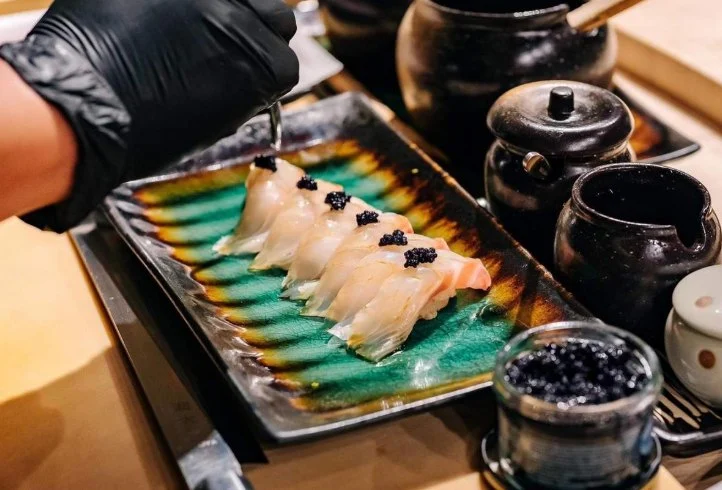
Watching the chefs at work in the open sushi bar is like observing an art form. Each slice, roll, and garnish is executed with meticulous precision. Chef Akira and his team pay close attention to temperature control, knife technique, and ingredient pairing to enhance natural flavors rather than masking them.
Traditional Meets Innovative
What makes Kimono Japanese Restaurant remarkable is its balance of tradition and innovation. The omakase experience, for example, might start with classic sashimi but evolve into modern dishes like wagyu nigiri topped with gold flakes or yuzu foam. Every meal feels unique—crafted not just for sustenance, but for storytelling.
5. A Real Foodie’s Experience: Taste, Texture, and Emotion
For many visitors, dining at Kimono Japanese Restaurant goes beyond flavor—it’s emotional. One local food critic described their visit as “a moment of calm in the chaos of Miami dining.” The balance of texture—from the crispness of tempura to the buttery melt of sashimi—creates a rhythm that engages every sense.
Case Study: A Foodie’s Discovery
Take Emma, a self-proclaimed foodie from Chicago. She visited Kimono on a friend’s recommendation while traveling and was instantly captivated. “It wasn’t just the food,” she said, “it was the way the chef explained each dish, the way the staff made me feel part of the experience.” Her story echoes that of many who leave the restaurant feeling inspired—not just full.
6. Visit Japanese Restaurant for Authentic Dining Experiences
If your culinary adventures lead you to seek authentic Japanese flavors with a modern twist, Japanese Restaurant offers you the best recommendations, reviews, and insights into places like Kimono Japanese Restaurant. Whether you’re exploring sushi artistry, sake pairings, or the cultural depth of Japanese cuisine, you’ll find everything you need to plan your next unforgettable dining experience.
For food lovers, Kimono Japanese Restaurant represents more than dining—it’s an immersion into Japan’s culinary soul, reinterpreted with creativity, warmth, and mastery.
 Momo Sushi Japanese Cuisine4.0 (747 reviews)
 Kura Revolving Sushi Bar4.0 (3833 reviews)
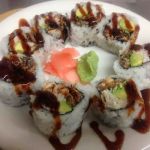 Maki Yaki3.0 (36 reviews)
 Avenue East4.0 (318 reviews)
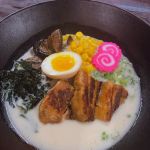 Suck It The Restaurant4.0 (2354 reviews)
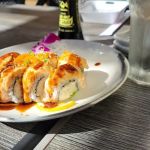 Hana Sushi4.0 (534 reviews)
 The History and Flavor Behind Aki Japanese Restaurant
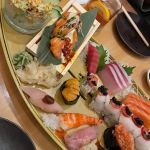 Exploring the Menu at Douzo Modern Japanese Restaurant Boston
 An Insider’s Review of Japanese Restaurant Chicago: Top Spots for Authentic Japanese Cuisine
 Exploring the Menu at Japanese Hibachi Restaurant Near Me
 A Foodie’s Experience at Goshi Japanese Restaurant SLO - Authentic Japanese Dining in San Luis Obispo
 Why Locals Recommend Japanese Restaurants: A Guide to the Best Dining Experiences