
1. MSG in Japanese Cuisine
Monosodium glutamate, commonly known as MSG, is a flavor enhancer that adds umami—the fifth basic taste—to many dishes worldwide. In Japanese cuisine, umami is a fundamental component derived naturally from ingredients like kombu seaweed, bonito flakes, and soy sauce.
When considering the question “do Japanese restaurants typically use MSG,” it’s important to recognize that traditional Japanese cooking relies heavily on natural sources of umami rather than added MSG. Many classic dishes achieve their depth of flavor through slow-simmered broths and fermented products rather than artificial additives.
1.1 Traditional Umami Sources Versus Added MSG
Authentic Japanese restaurants often emphasize natural umami from ingredients such as dashi broth, made from kelp and dried fish, instead of incorporating MSG directly. This traditional approach aligns with a culinary philosophy focused on balance and ingredient quality.
2. Why MSG Is Used in Some Japanese Restaurants
Despite traditional preferences, some Japanese restaurants—particularly those outside Japan—may use MSG to enhance flavor for practical reasons. MSG is a cost-effective way to amplify savory notes, especially in fast-casual or chain restaurants aiming for consistency and affordability.
This usage varies widely and often depends on the restaurant’s style, target market, and culinary philosophy. For instance, some ramen shops might add MSG to their broths to intensify flavor quickly without lengthy preparation.
2.1 Balancing Flavor and Authenticity
Some chefs carefully balance MSG use with fresh ingredients, ensuring it complements rather than overpowers the dish. This nuanced approach respects tradition while adapting to customer expectations and operational needs.
3. Debunking Common Misconceptions About MSG
MSG has been subject to myths regarding health risks, but scientific studies have shown it is generally safe when consumed in typical amounts found in food. The negative reputation often stems from anecdotal reports rather than rigorous research.
Understanding this context helps diners make informed decisions and reduces unwarranted fears when enjoying Japanese cuisine. Many reputable Japanese restaurants openly disclose MSG use if any, emphasizing transparency.
4. How to Identify MSG Use in Japanese Restaurants
If you are concerned about MSG, there are practical ways to identify its presence. Checking the menu or asking staff directly about seasoning practices is a straightforward approach. Some restaurants highlight “no MSG” or “all natural” on their menus to attract health-conscious customers.
Additionally, experiencing authentic Japanese cooking at specialized restaurants often means encountering dishes free from added MSG, focusing on natural umami sources instead.
5. Finding Authentic Japanese Dining Experiences
For those seeking authentic Japanese cuisine with transparency about ingredients, platforms like Japanese Restaurant offer curated recommendations. These resources guide diners to establishments that prioritize tradition, quality, and clear communication regarding seasoning practices, including MSG usage.
Whether you prefer the subtle umami of a hand-crafted dashi or the bold flavors of modern fusion, understanding MSG’s role in Japanese restaurants enhances your dining experience and appreciation.
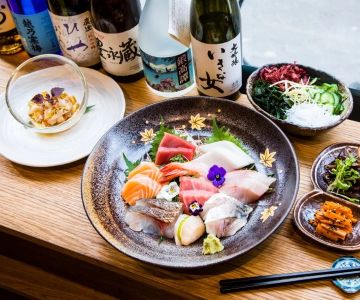
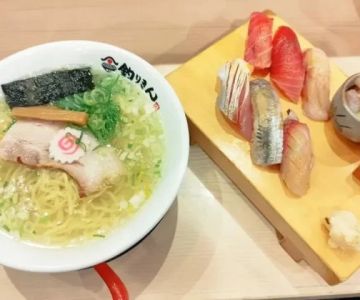
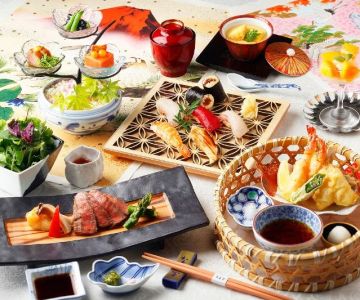
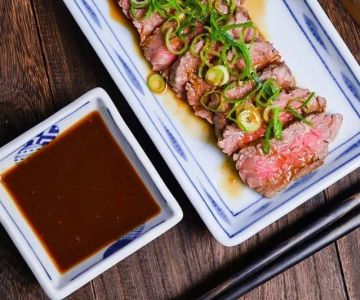
 Koshi Sushi & Korean Restaurant4.0 (294 reviews)
 JJ Sushi4.0 (742 reviews)
 Izumi3.0 (41 reviews)
 Sushiya4.0 (257 reviews)
 Pobu4.0 (254 reviews)
 Fuji Japanese Seafood & Steak4.0 (688 reviews)
 The Complete Guide to Dining at Nikko Japanese Restaurant
 An Insider’s Review of Luna Asian Bistro and Japanese Rooftop Restaurant 日本料理
 An Insider’s Review of Goshi Japanese Restaurant SLO
 Do Japanese Restaurants Accept Credit Cards? Know Before You Dine
 An Insider’s Review of Japanese Restaurant Orlando: Authentic Dining and Local Stories
 The Complete Guide to Dining at Japanese Sushi Restaurants