
- 1. Understanding Sushi Culture
- 2. Types of Sushi You Will Encounter
- 3. Sushi Etiquette: How to Eat Sushi Like a Pro
- 4. Choosing the Right Sushi Restaurant
- 5. Explore the Best Sushi Spots with Japanese Restaurant
1. Understanding Sushi Culture
Dining at a Japanese sushi restaurant is not just about eating raw fish; it’s a full cultural experience. Sushi, in its traditional form, is about balance, precision, and respect for the ingredients. The Japanese consider sushi not only as food but as a form of art that celebrates freshness, simplicity, and the quality of the ingredients.
Before you dive into the menu, it’s important to understand the role of sushi in Japanese culture. Sushi began as a form of preservation and has evolved into one of the most respected culinary traditions in Japan. From the first bite to the last, sushi dining is an experience of flavors, textures, and presentation that is meant to be savored slowly and appreciated fully.
2. Types of Sushi You Will Encounter
When dining at a Japanese sushi restaurant, you will encounter a variety of sushi styles, each with its own unique characteristics. Understanding these types will enhance your experience and allow you to enjoy the diverse flavors that sushi has to offer:
- Sushi Nigiri: A small hand-formed mound of rice topped with fresh fish or other seafood. This is often the most traditional form of sushi and a good place to start your meal.
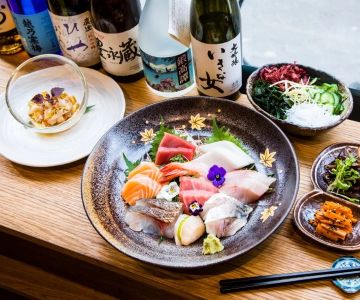
- Sashimi: Thinly sliced raw fish served without rice. This is perfect for those who want to enjoy the pure taste of seafood without any distractions.
- Maki Rolls: Sushi rice and ingredients like fish, vegetables, or seaweed wrapped in a sheet of nori (seaweed). Maki rolls are popular for beginners as they offer a variety of flavors in each bite.
- Temaki: Often called a hand roll, this is a cone-shaped nori roll filled with rice and fresh ingredients. It’s a fun, casual style of sushi to eat with your hands.
- Uramaki: A type of maki roll where the rice is on the outside, wrapping around the nori. This style is more common in Westernized sushi and includes popular rolls like the California roll.
3. Sushi Etiquette: How to Eat Sushi Like a Pro
Sushi dining comes with its own set of etiquettes that can vary slightly depending on the restaurant, but there are some universal rules that will enhance your experience. Here are some important sushi etiquette tips:
- Use Your Hands or Chopsticks: It’s common to eat nigiri and sashimi with your hands, while maki rolls are typically eaten with chopsticks. If you prefer, you can use chopsticks for everything, but it’s not considered rude to use your hands for certain types of sushi.
- Do Not Drench Sushi in Soy Sauce: While dipping your sushi in soy sauce is common, it’s important not to overdo it. You should dip the fish side (not the rice) into the soy sauce to avoid the rice absorbing too much sauce and falling apart.
- Wasabi Placement: Many sushi restaurants will include a small dollop of wasabi on the fish, but you can add more if you like. It’s polite to use a small amount, as wasabi can be very strong.
- Eat Sushi in One Bite: Sushi is meant to be eaten in a single bite. If you can’t finish the piece in one bite, it’s okay to eat it in two, but try not to leave any pieces behind.
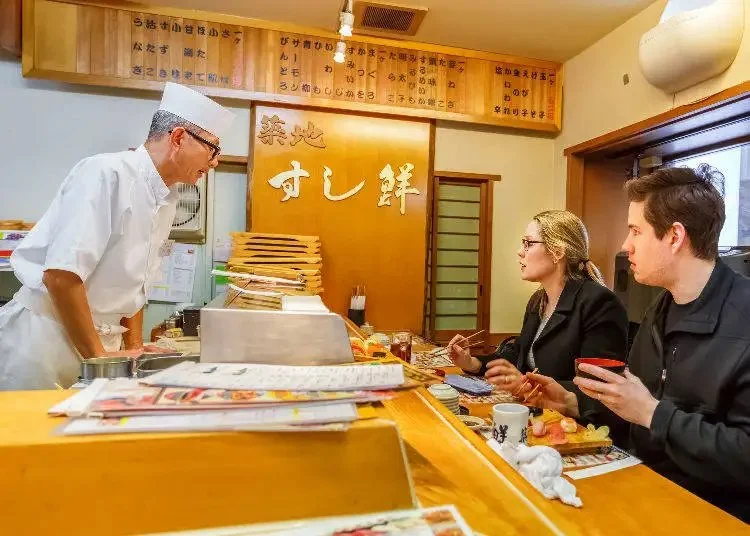
- Respect the Chef: When dining at a sushi bar, engage with the sushi chef by thanking them for each piece or showing appreciation. It’s part of the dining experience and shows respect for their craftsmanship.
4. Choosing the Right Sushi Restaurant
Choosing the right sushi restaurant can make all the difference in your dining experience. Here are some tips to help you find the perfect spot:
- Quality of Fish: Freshness is key when it comes to sushi. Look for restaurants that source their fish from reputable suppliers and ensure it’s fresh daily. You’ll notice the difference in both taste and texture.
- Authenticity: If you want an authentic sushi experience, seek out restaurants that offer traditional Japanese sushi. Look for places that focus on sushi bars where skilled chefs prepare your meal in front of you.
- Reviews and Reputation: Check reviews and ratings online to gauge the reputation of the sushi restaurant. A well-established restaurant with positive feedback is likely to offer a great dining experience.
- Ambience: The atmosphere of the restaurant should complement the meal. A traditional sushi restaurant will often have minimalist décor, focusing on the quality of the food and the experience. Take this into consideration when choosing where to dine.
5. Explore the Best Sushi Spots with Japanese Restaurant
Looking for the best sushi restaurants in your area? Visit Japanese Restaurant for expert recommendations and find the perfect place to enjoy your next sushi experience. Whether you’re a seasoned sushi lover or a newcomer, we can help you discover the best spots for an unforgettable dining experience.
 Dai Hachi Sushi4.0 (115 reviews)
 YOKO-CHO4.0 (116 reviews)
 Dana Kai4.0 (310 reviews)
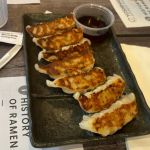 Fukuoka Hakata Ramen4.0 (146 reviews)
 The Hand Roll Bar5.0 (7 reviews)
 Gyu-Kaku Japanese BBQ4.0 (1596 reviews)
 Where Is Hana Japanese Restaurant? Discover Locations & Local Favorites
 Why Fujiyama Japanese Restaurant Is a Must-Try Spot for Japanese Food Lovers
 Exploring the Menu at Bozu Japanese Restaurant – A Culinary Journey
 The History and Flavor Behind Ami Japanese Restaurant: A Taste of Tradition
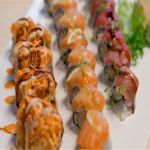 Top Dishes You Should Order at Yokohama Japanese Restaurant
 Don Don Japanese Restaurant Toronto: Comfort Food That Hits Home