
- cultural-etiquette-in-japanese-restaurants
- are-you-allowed-to-talk-in-japanese-restaurants
- why-some-japanese-restaurants-seem-quiet
- acceptable-volume-and-tone-of-conversation
- regional-differences-and-setting-matter
- real-stories-dining-in-japanese-restaurants
- dining-smartly-with-respect
1. Cultural Etiquette in Japanese Restaurants
Dining at a Japanese restaurant often leaves visitors wondering about etiquette. From the seating arrangements to how you hold chopsticks, Japanese culinary culture is rooted in deep respect and subtle social cues. One common question among newcomers is: Are you allowed to talk in Japanese restaurants? The short answer is yes, but with a touch of mindfulness. Let’s explore why.
2. Are You Allowed to Talk in Japanese Restaurants?
Absolutely, you are allowed to talk. However, volume and context matter. In most Japanese restaurants—whether in Tokyo, Kyoto, or even abroad—the atmosphere is crafted to promote peace and mindfulness during meals. Talking is not only acceptable but expected if you’re enjoying a social meal. That said, boisterous or disruptive behavior is generally frowned upon.
At casual sushi bars, izakayas, and ramen shops, conversation is lively and laughter is common. In contrast, at more refined kaiseki-style restaurants or omakase sushi counters, diners tend to speak softly to maintain the serene ambiance curated by the chef and setting.
3. Why Some Japanese Restaurants Seem Quiet
Silence or quiet chatter in traditional Japanese restaurants often comes from a cultural respect for food. Meals are seen as moments of appreciation—not just for the flavor, but also for the effort behind it. Chefs, especially those performing live at sushi counters or teppanyaki grills, are considered artists. Interrupting with loud voices can be perceived as disrespectful to both the chef and other patrons.
Moreover, many Japanese diners were raised with the idea that eating should be a calm, focused experience. That doesn’t mean you need to whisper—just that the conversation should match the ambiance.
4. Acceptable Volume and Tone of Conversation
Think of your tone as part of the dining environment. Speaking in a relaxed and conversational tone is the norm. Avoid yelling across tables or speaking on speakerphone. For example, if you're dining at a popular sushi restaurant in Los Angeles or New York, where the chef may be directly in front of you, loud conversation can interfere with their craft and others’ enjoyment.
In group settings, especially during celebratory meals or after-work outings, the energy can be more vibrant—and that’s okay. Just be mindful of other guests. Staff may gently request quieter conversation if it gets disruptive, especially in more intimate settings.
5. Regional Differences and Setting Matter
The etiquette can vary based on whether you’re in Japan or a Western city. In Japanese neighborhoods of Vancouver or San Francisco, for instance, restaurants often reflect authentic ambiance but are also adapted for North American norms. You'll find that moderate conversation is welcomed—just don’t assume every Japanese-style place has the same rules.
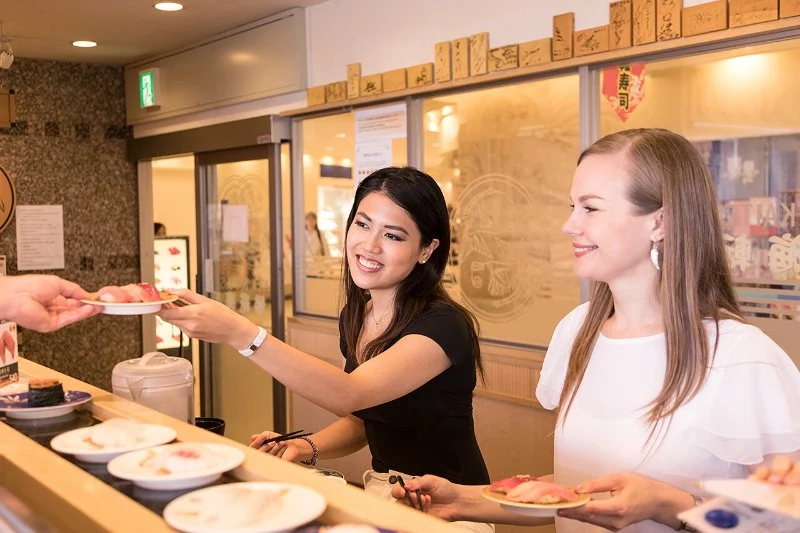
Setting matters just as much. At a busy sushi train restaurant, chatter is part of the charm. But in a tranquil ryōtei (a traditional high-end Japanese dining venue), you’ll want to mirror the quiet refinement of your surroundings.
6. Real Stories: Dining in Japanese Restaurants
Rachel, a traveler from Florida, recounted her experience in Kyoto where she and her friend were asked to lower their voices in a tatami-mat dining room. “We didn’t even realize we were being loud until the server kindly bowed and whispered a reminder,” she shared. “It was humbling, but we appreciated the cultural insight.”
Meanwhile, Michael, a sushi enthusiast from Chicago, noted how lively his favorite sushi joint was. “The chef cracks jokes while preparing the rolls. It’s more of a dinner-and-show vibe.” These experiences show there isn’t a universal rule—context is everything.
7. Dining Smartly with Respect
So, are you allowed to talk in Japanese restaurants? Yes—but with the awareness of where you are and who’s around. The best rule of thumb is to follow the energy of the space. If it’s lively, feel free to enjoy your meal with open conversation. If it’s quiet and minimalist, match that tone with a gentler voice.
Whether you're new to Japanese cuisine or a seasoned sushi lover, understanding these small nuances can make your dining experience richer and more respectful. To discover Japanese restaurants that match your preferred dining atmosphere, Japanese Restaurant can help you find the ideal place to match your taste and tone.
 Basho Sushi3.0 (10 reviews)
 Kampai Sushi House4.0 (481 reviews)
 CoCo Ichibanya Curry Restaurant TORRANCE4.0 (1462 reviews)
 Miso4.0 (190 reviews)
 Kurosawa4.0 (516 reviews)
 Joy Teriyaki3.0 (196 reviews)
 Signature Sushi and Ramen at Tanto Japanese Restaurant: A Culinary Delight
 An Insider’s Review of Japanese Restaurant in Las Vegas
 What Makes Goshi Japanese Restaurant SLO Stand Out Among Japanese Restaurants
 How Do You Say Hello in a Japanese Restaurant Setting?
 The History and Flavor Behind Japanese Restaurant Las Vegas
 The History and Flavor Behind Hiro Japanese Restaurant