
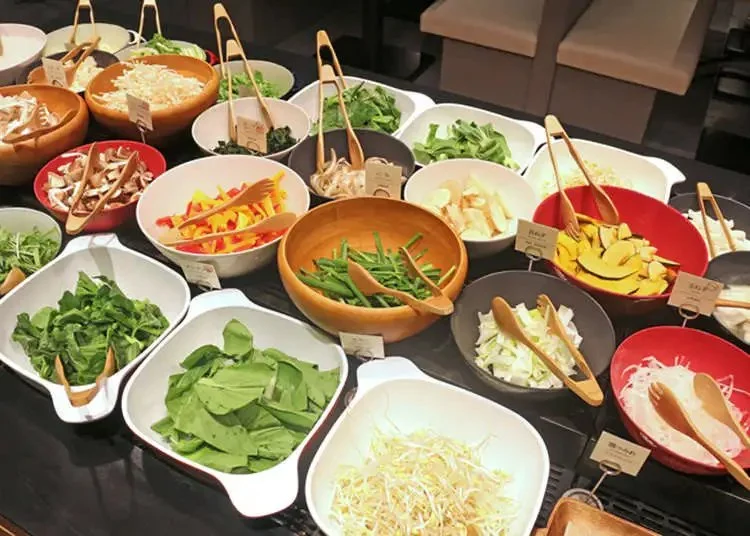
1. Understanding Low Carb and Japanese Cuisine
When someone asks, “can you eat low carb at a Japanese restaurant?”, it may seem tricky at first glance. After all, rice, noodles, tempura, and sweet sauces are staples in many Japanese dishes. But dig a little deeper, and you’ll find that Japanese cuisine offers one of the most naturally adaptable menus for low-carb eaters—if you know what to look for.
Low-carb eating typically focuses on minimizing starches and sugars while emphasizing proteins, healthy fats, and vegetables. Japanese cuisine includes plenty of grilled meats, fresh seafood, broths, and vegetables—elements that easily align with keto and low-carb goals.
2. Smart Menu Choices for Low Carb Eaters
Sashimi Over Sushi
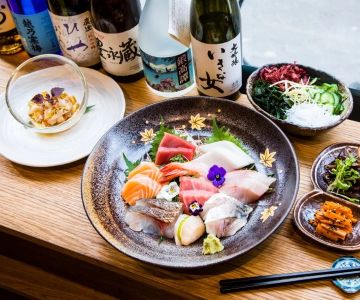
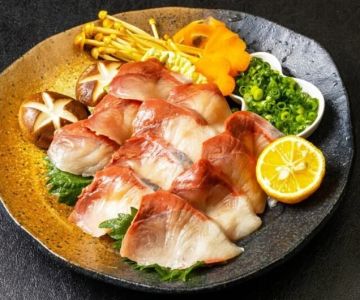
Sashimi, which is simply slices of raw fish without rice, is your best friend on a low-carb diet. You get clean protein and healthy fats with zero starch. Opt for salmon, tuna, yellowtail, and mackerel—fish that are rich in omega-3s and flavor.
Grilled Meats and Yakitori
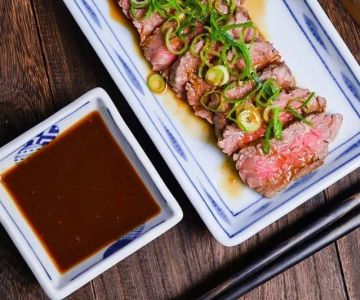
Japanese grilled skewers, or yakitori, are often seasoned with just salt or soy sauce. Chicken thighs, beef, mushrooms, and peppers are popular options that fit perfectly into a low-carb approach. Just be cautious of those brushed with sweet tare sauce—ask for salt-seasoned versions instead.
Soup-Based Starters
Clear soups like miso soup (ask to skip the tofu or seaweed if desired) and dashi-based broths are excellent low-carb starters. They're flavorful and light, and they help curb appetite before the main course.
Vegetables and Sides
Steamed spinach with sesame (goma-ae), pickled cucumbers (sunomono), and edamame are great side dish options that are low in carbs. Avoid anything tempura-fried or glazed with teriyaki-style sauces.
3. What to Avoid to Stay Low Carb
As tempting as they may be, certain Japanese favorites will knock you off your carb goals. Traditional sushi rolls (maki) are made with vinegared rice, which adds up quickly in carbs. A single roll can have over 30g of carbohydrates. Noodles—like ramen, udon, and soba—are also dense with starch.
Also, beware of sauces: Teriyaki, eel sauce, and even some soy sauces contain added sugars. Ask for plain soy sauce or bring a low-sodium tamari packet if you're strict with your macros.
4. Real Diner Experiences and Low Carb Hacks
Low-carb diners often share smart tricks for navigating Japanese menus. For example, a keto blogger shared her strategy of ordering sashimi with avocado slices and a side of cucumber salad for a satisfying and fresh meal. Another frequent tip? Ask for a “sushi roll without rice”—many chefs will wrap ingredients in cucumber or seaweed instead.
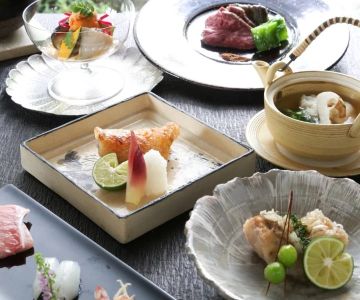
There’s even a growing trend of restaurants offering low-carb menu adaptations. Some upscale Japanese spots now offer “keto omakase” or chef’s choice menus curated for low-carb diners.
5. Where to Find Your Best Low Carb Japanese Options
Not every Japanese restaurant offers the same level of flexibility, so choosing the right spot matters. Some chains or authentic izakayas are more open to customization than fast-casual sushi bars. To make the most of your dining experience, visit trusted places like Japanese Restaurant, where the chefs understand low-carb eating and are happy to accommodate special requests.
With a little preparation and menu-savvy, the answer to “can you eat low carb at a Japanese restaurant?” is a confident yes. It’s all about knowing what to look for, what to skip, and how to communicate your needs.
 Sushi Weng4.0 (453 reviews)
 Haiku Japanese Bistro4.0 (396 reviews)
 Sushi House & Grill4.0 (386 reviews)
 Temaki Sushi Foodtruck Wynwood5.0 (2 reviews)
 Fire-Fish Sushi & More4.0 (324 reviews)
 Wako Donkatsu4.0 (556 reviews)
 Exploring the Menu at Japanese Restaurant Atlanta – Authentic Flavors and Experiences
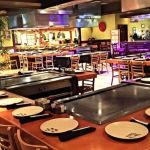 Why Locals Recommend Shiki Japanese Restaurant
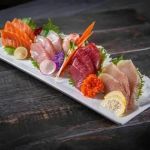 A Foodie’s Experience at Sapporo Japanese Restaurant
 What Makes Ami Japanese Restaurant Stand Out Among Japanese Restaurants
 Signature Sushi and Ramen at Japanese Curry Restaurant: A Delicious Experience
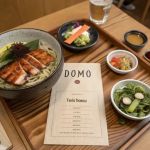 What Makes Domo Japanese Restaurant Stand Out Among Japanese Restaurants