
1. The Expansive Landscape of Japanese Restaurants in the USA
The presence of Japanese restaurants across the United States has grown exponentially over the past few decades. From bustling metropolitan areas like New York, Los Angeles, and Chicago to smaller cities, the demand for authentic Japanese cuisine continues to rise. This trend reflects America's increasing curiosity and appreciation for Japanese culinary traditions.
Japanese restaurants in the USA range from casual sushi bars to upscale Kaiseki dining establishments. This variety caters to different customer preferences, whether they are seeking quick bites or immersive, multi-course meals. The cuisine’s focus on fresh ingredients, delicate flavors, and artistic presentation appeals broadly, creating a vibrant market for Japanese food enthusiasts.
1.1 Growth Driven by Cultural Exchange and Popularity
The popularity of Japanese culture — from anime and manga to traditional arts like tea ceremonies — has played a crucial role in expanding the interest in Japanese food. Sushi, ramen, and tempura are now household names, but many restaurants also offer less familiar dishes such as okonomiyaki and unagi, broadening culinary horizons for American diners.
1.2 Challenges Faced by Japanese Restaurants in the USA
Despite growth, maintaining authenticity while adapting to American tastes poses challenges. Many establishments balance these demands by sourcing traditional ingredients or even importing specialty products directly from Japan, ensuring diners receive genuine flavors. Yet, this can affect pricing and availability, making it essential for restaurants to educate customers about the value of authenticity.
2. Authenticity and Diversity of Japanese Cuisine
Japanese cuisine is celebrated for its emphasis on seasonal ingredients, simplicity, and balance. However, its diversity is often underestimated outside Japan. The USA hosts an array of restaurants that reflect this diversity, providing diners with more than just sushi.
2.1 Sushi and Sashimi: The Iconic Staples
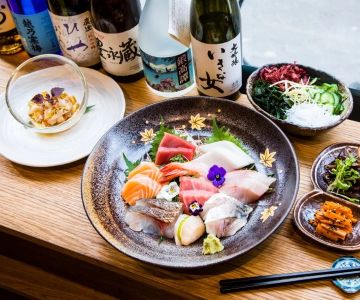
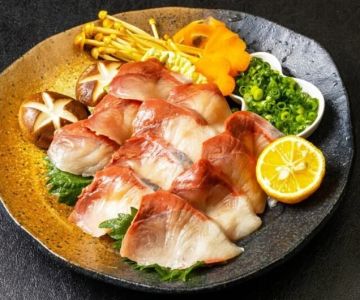
Sushi restaurants remain the most prevalent form of Japanese dining in the USA. These establishments range from conveyor-belt sushi spots to fine dining sushi bars offering omakase experiences, where the chef selects and prepares a curated tasting menu. Omakase restaurants emphasize the chef’s skill, ingredient quality, and seasonal availability, often becoming culinary destinations in themselves.
2.2 Regional Specialties and Less Known Dishes
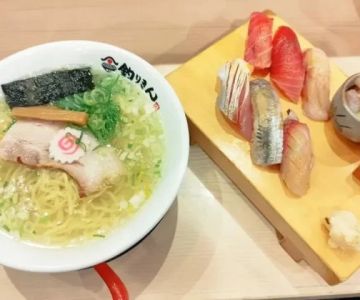
Beyond sushi, ramen shops have exploded in popularity, with regional variations such as Tonkotsu (pork bone broth), Shoyu (soy sauce), and Miso ramen offered. Izakayas, Japanese-style pubs, serve as casual places for sharing small plates like yakitori (grilled chicken skewers), karaage (fried chicken), and edamame, creating social dining atmospheres.
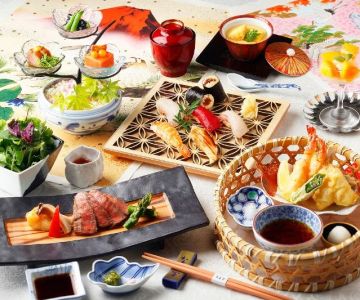
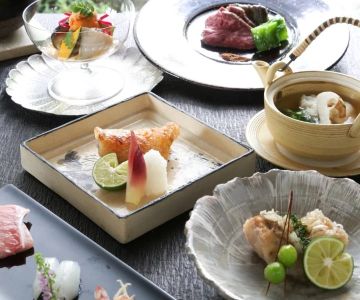
Many Japanese restaurants in the USA also showcase traditional kaiseki, a multi-course meal that highlights the seasons with meticulous preparation and presentation. These restaurants offer a unique experience for those looking to dive deep into Japanese culinary art.
3. Regional Specialties and Unique Experiences Across America
The geographical spread of Japanese restaurants in the USA contributes to the diversity of experiences. Coastal cities often focus on fresh seafood, leveraging access to high-quality fish, while inland cities might emphasize grilled dishes and hearty ramen.
3.1 West Coast Culinary Scene
In cities like Los Angeles and San Francisco, Japanese restaurants blend traditional and innovative styles. Notable examples include restaurants that fuse Japanese techniques with local ingredients, creating dishes that are both authentic and experimental. The West Coast’s access to fresh fish makes it a hotspot for high-end sushi bars.
3.2 East Coast and Midwest Offerings
New York City’s Japanese dining scene is diverse and vibrant, with everything from street-style ramen to Michelin-starred sushi restaurants. Chicago and other Midwestern cities have also seen growth in Japanese cuisine, where chefs often introduce localized twists while respecting tradition.
4. Case Studies: Popular Japanese Restaurants in the USA
To better understand the landscape, it’s helpful to look at standout examples:
4.1 Sushi Nakazawa, New York
Opened by a former apprentice of Jiro Ono, Sushi Nakazawa offers an omakase experience that captures the essence of Tokyo’s elite sushi culture. Diners praise the freshness of ingredients and the chef’s precision, making it a must-visit for sushi aficionados.
4.2 Ramen Tatsu-Ya, Austin
Ramen Tatsu-Ya brought authentic Tonkotsu ramen to Texas, gaining a loyal following for its rich broth and carefully prepared noodles. This restaurant exemplifies how regional American cities embrace Japanese cuisine through dedicated craftsmanship.
4.3 Izakaya Ten, Chicago
Izakaya Ten offers a traditional Japanese pub experience, serving a variety of small plates and sake. The casual yet authentic setting makes it popular for social dining, highlighting how Japanese food culture extends beyond formal meals.
5. How to Find the Best Japanese Restaurants
With so many options, discovering the perfect Japanese restaurant can be daunting. Here are some tips:
5.1 Look for Authenticity Indicators
Check if the restaurant sources ingredients from Japan or employs chefs trained in Japan. Menus that offer seasonal dishes and traditional preparations are often a good sign of authenticity.
5.2 Read Reviews and Seek Recommendations
Customer reviews, food blogs, and trusted culinary guides can provide insights into quality and experience. Engage with local food communities or visit platforms dedicated to Japanese cuisine to get personalized suggestions.
5.3 Explore Specialty Sites
For those wanting a curated selection of top-tier Japanese dining options, websites like Japanese Restaurant provide detailed listings and recommendations for the best places to enjoy authentic Japanese cuisine in the USA. They also offer guidance on related services and products to enhance your dining experience.
 Kumo Japanese Steakhouse4.0 (1880 reviews)
 Osaka Sushi Restaurant4.0 (263 reviews)
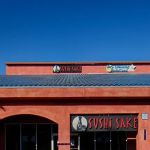 Sushi Sake Doral4.0 (1294 reviews)
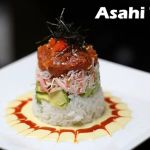 Asahi Teppenyaki & Sushi4.0 (830 reviews)
 Sushi 214.0 (245 reviews)
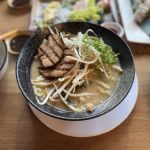 Mirakutei Sushi & Ramen Clackamas4.0 (198 reviews)
 The Complete Guide to Dining at Inaba Japanese Restaurant
 How to Say Romantic Restaurant in Japanese
 A Foodie’s Experience at Wasabi Japanese Restaurant | Japanese Restaurant
 Explore the Diverse Menu at Hatsuhana Japanese Restaurant – A Culinary Journey
 What to Say When You Leave a Japanese Restaurant – Etiquette and Phrases
 The History and Flavor Behind Mt. Fuji Japanese Restaurant