
1. Understanding a Japanese Restaurant Menu
Stepping into a Japanese restaurant often means immersing yourself in a culinary culture rich with history and tradition. The Japanese restaurant menu is more than just a list of dishes; it is a carefully curated experience designed to showcase the diversity of Japan’s cuisine. Unlike many Western menus, a Japanese menu balances simplicity and complexity, offering everything from delicate sushi to hearty noodle bowls. This balance reflects the Japanese philosophy of harmony and seasonality in food.
1.1 The Role of Menu Design in Japanese Dining
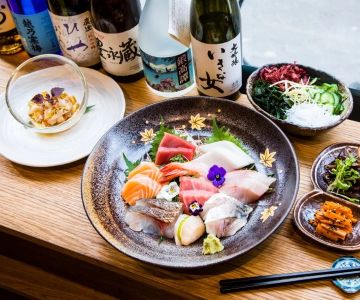
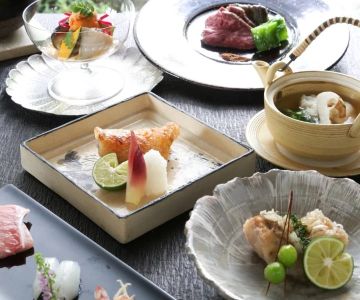
Menus in Japanese restaurants are often segmented by dish type, such as appetizers, sushi, sashimi, grilled items, tempura, and desserts. Each section serves a purpose, guiding diners through a multi-course meal that can range from casual to highly formal. Moreover, seasonal specials frequently appear on the menu, emphasizing freshness and regional ingredients, which is a hallmark of authentic Japanese dining.
1.2 Common Misconceptions
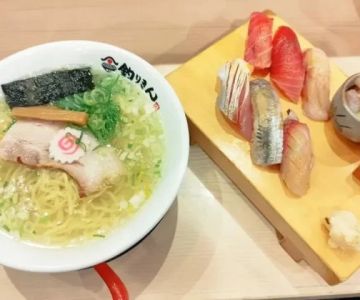
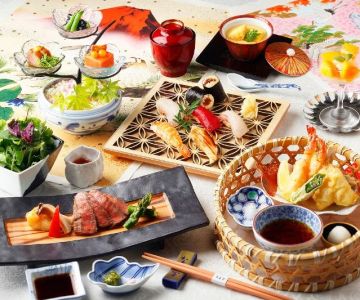
Many people think a Japanese menu is solely about sushi, but it includes a variety of dishes such as ramen, udon, donburi, and kaiseki (a traditional multi-course meal). Understanding this diversity can enrich your dining experience and open up new culinary adventures.
2. Key Components of a Japanese Restaurant Menu
The Japanese restaurant menu typically includes several signature categories that highlight the country’s culinary expertise:
2.1 Sushi and Sashimi
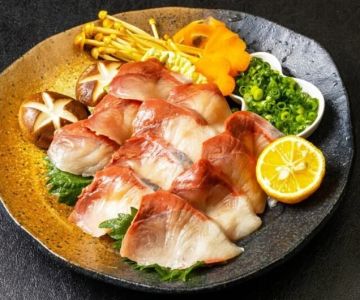
Sushi, often the most recognizable component, features vinegared rice paired with fresh fish or seafood, while sashimi consists of thinly sliced raw fish served without rice. Varieties such as nigiri, maki rolls, and temaki (hand rolls) offer a broad spectrum of flavors and textures.
2.2 Hot Dishes and Grilled Items
Grilled fish, yakitori (skewered chicken), and tempura (lightly battered and fried seafood or vegetables) provide warmth and contrast to the fresh, cold sushi. These dishes highlight the skillful use of seasoning and cooking techniques.
2.3 Noodles and Rice Bowls
Noodles such as soba and udon, along with rice bowls like donburi, are staples that provide comfort and heartiness. These dishes are often deeply rooted in regional traditions, offering a taste of local culture.
2.4 Soups and Sides
Miso soup, pickled vegetables, and seaweed salads are common accompaniments that balance the meal and aid digestion.
3. The Cultural Significance Behind Menu Items
Japanese cuisine is inseparable from its cultural roots. Every dish on the menu carries meaning, whether through ingredients, preparation, or presentation.
3.1 Seasonal Ingredients and Their Importance
Seasonality is central to Japanese dining. Restaurants often rotate menu items to reflect the freshest ingredients available, which not only ensures superior taste but also honors nature’s rhythms.
3.2 Presentation as an Art Form
The meticulous arrangement of food on the plate reflects the Japanese aesthetic principle of wabi-sabi, which finds beauty in simplicity and imperfection. This elevates the dining experience beyond just taste.
3.3 The Etiquette Embedded in the Menu
Understanding the menu also means understanding dining etiquette, such as how to eat sushi properly or the right way to enjoy sake with certain dishes. This knowledge enriches your experience and shows respect for the culture.
4. Real-Life Experience in a Japanese Restaurant
Take the example of Emma, a food enthusiast who recently visited a renowned Japanese restaurant. At first, the menu seemed daunting with unfamiliar terms like chirashi and unagi. However, guided by the waiter’s recommendations, she explored a combination of sashimi, miso soup, and a seasonal tempura dish. Emma was fascinated by how each course told a story—freshness, balance, and cultural respect all played a part.
Her experience highlights how a Japanese restaurant menu can transform a simple meal into a journey of discovery, blending taste with tradition. Such stories encourage diners to be adventurous and appreciate the depth of Japanese cuisine.
5. How to Select the Best Dishes for Your Taste
Choosing dishes from a Japanese restaurant menu can be overwhelming for newcomers. Here are some tips to help you navigate:
5.1 Start with Familiar Favorites
Begin with popular dishes like California rolls or teriyaki chicken to build confidence.
5.2 Experiment with Seasonal Specials
Try chef’s recommendations or seasonal dishes to experience authentic flavors not always found in generic menus.
5.3 Pair Wisely
Consider pairing sushi with a light sake or green tea to enhance the overall taste.
5.4 Don’t Hesitate to Ask
Staff are usually knowledgeable and happy to guide you through the menu, explaining unfamiliar dishes or suggesting pairings.
6. Where to Find Authentic Japanese Restaurant Menu and Services
If you’re seeking the most authentic Japanese restaurant menu and reliable services, our platform, Japanese Restaurant, offers a carefully curated selection of eateries, products, and services tailored to your preferences. Whether you’re looking for traditional kaiseki experiences or casual sushi bars, you can find trusted options that ensure quality and authenticity. Our recommendations come from extensive research and customer reviews, helping you discover the perfect Japanese dining experience without the guesswork.
Exploring a Japanese restaurant menu is not only about enjoying delicious food but also about engaging with a cultural tradition that has been refined over centuries. Whether you are a seasoned sushi lover or new to Japanese cuisine, understanding the menu's depth will enrich every visit.
 Oyama Japanese And Thai4.0 (270 reviews)
 Wasabi Bistro4.0 (708 reviews)
 Cafe Yoto4.0 (86 reviews)
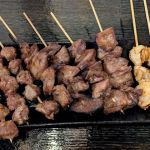 Ichiza 2 Hanare Japanese Resaurant - All Private Dining Room -4.0 (132 reviews)
 Sumo Hibachi4.0 (80 reviews)
 Epoch Asian Fusion4.0 (143 reviews)
 Why Locals Recommend Japanese Sushi Restaurants: Discover the Secrets Behind the Popularity
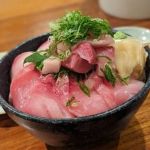 A Foodie’s Experience at Bozu Japanese Restaurant
 How to Say "Run a Restaurant" in Japanese: A Complete Guide for Restaurant Owners
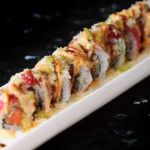 Exploring the Menu at Taki Japanese Restaurant Dunwoody: A Culinary Journey
 Exploring the Menu at Japanese Restaurant in Atlanta
 Why Locals Recommend Tachibana Japanese Restaurant: A Taste of Authenticity