
1. Defining Greatness in Japanese Restaurant
When we talk about the greatest restaurant in Japanese cuisine, the concept goes far beyond just delicious food. It encapsulates the harmony of tradition, culinary skill, ambiance, and impeccable service. Japanese dining is an art form where every detail, from the freshness of ingredients to the presentation of dishes, contributes to the overall experience. Understanding what defines greatness requires exploring the deep cultural roots and modern innovations that these restaurants embody.
Greatness in this context is about consistency, respect for ingredients, and an atmosphere that transports guests to Japan’s culinary heritage. For many food enthusiasts, a great Japanese restaurant is a place where one can savor authentic sushi, perfectly balanced kaiseki meals, or regional specialties prepared with care and precision.
1.1 The Cultural Essence Behind Japanese Dining
Japanese cuisine focuses on seasonal ingredients, subtle flavors, and a minimalist aesthetic that showcases natural beauty. The greatest Japanese restaurants maintain this philosophy, offering dishes that change with the seasons and highlight local produce. The concept of “umami” — the fifth taste — is carefully balanced in every plate.
1.2 Beyond Taste: The Experience
True greatness also reflects in the ambiance, the craftsmanship of the chefs, and the attentiveness of the staff. A restaurant’s layout, lighting, and even the choice of tableware add layers to the sensory experience, making dining memorable.
2. Key Elements of a Great Japanese Restaurant
What makes a Japanese restaurant stand out in a sea of options? Here are the fundamental aspects that contribute to its reputation and appeal:
2.1 Authenticity and Quality of Ingredients
The hallmark of a great Japanese restaurant is its commitment to authentic ingredients sourced either directly from Japan or local farms with similar quality standards. The fish used for sushi must be fresh and expertly handled; rice needs to be of premium grade, and sauces should complement rather than overpower.
2.2 Mastery of Technique
Japanese chefs undergo rigorous training, often dedicating years to perfecting their skills. The precision in knife work, timing in cooking, and delicate balance of flavors distinguishes a top-tier restaurant. For example, in sushi preparation, the chef’s ability to mold rice and slice fish impacts every bite’s texture and taste.
2.3 Thoughtful Presentation and Ambiance
Presentation is as vital as taste. Dishes are designed to reflect the seasons or the theme of the meal. The dining environment, whether it’s a minimalist modern space or a traditional tatami room, also plays a key role in delivering an authentic experience.
3. Real Examples of Renowned Japanese Restaurants
Looking at actual establishments that have gained acclaim can help us understand what “the greatest restaurant in Japanese” truly means in practice. Take Sukiyabashi Jiro in Tokyo, famous worldwide for its Michelin-starred sushi experience. Chef Jiro Ono’s meticulous standards and decades of dedication have made it a benchmark for excellence.
Another example is Kikunoi in Kyoto, where traditional kaiseki cuisine is served with exquisite attention to detail, reflecting the seasonal beauty and refined taste that define Japanese haute cuisine. These restaurants not only serve food but tell stories through their menus, deeply connecting with cultural values.
These cases highlight that the greatest restaurants in Japanese cuisine often combine history, masterful technique, and a unique personal touch, creating unforgettable dining moments.
3.1 Personal Experience: The Power of Atmosphere
I once dined at a small Tokyo restaurant recommended by locals, where the chef greeted guests personally and explained each course. The meal’s progression was a journey through Japan’s culinary landscape, leaving a lasting impression far beyond the flavors alone. This kind of experience is what defines greatness.
4. Why Authenticity Matters in Japanese Cuisine
Authenticity is a pillar that supports the reputation of great Japanese restaurants. When the cultural and culinary integrity of dishes is maintained, diners receive an experience that transcends simple eating — it becomes an immersion into Japanese tradition.
Many modern restaurants abroad attempt to replicate Japanese cuisine but often fall short without the precise ingredients or understanding of cooking techniques. Authenticity ensures that each dish respects the original intent and flavor profiles, allowing diners to trust the quality and heritage behind the meal.
4.1 The Role of Japanese Restaurant in Connecting You to Authenticity
For those seeking the greatest restaurant in Japanese cuisine, Japanese Restaurant is an excellent resource to find authentic dining experiences and trusted recommendations. Whether you want traditional sushi or innovative modern dishes, the platform helps you discover restaurants that meet these high standards.
5. How to Find the Best Japanese Restaurant for You
Finding the perfect Japanese restaurant involves more than just searching for high ratings. Here are key tips to guide your choice:
5.1 Research and Reviews
Look for detailed reviews that discuss the quality of food, service, and atmosphere. Personal stories often reveal insights not found in generic ratings.
5.2 Understanding Your Preferences
Japanese cuisine is diverse — from casual ramen shops to formal kaiseki dinners. Identifying what type of experience you desire helps narrow down your options.
5.3 Trust Reliable Sources
Platforms like Japanese Restaurant offer curated recommendations based on authenticity and user feedback, ensuring you find places that truly represent Japanese culinary excellence.
5.4 Explore and Be Open-Minded
Sometimes the greatest discoveries happen in unexpected places. Trying regional specialties or lesser-known dishes can enrich your understanding of Japanese cuisine.
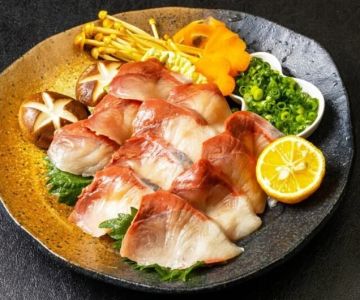
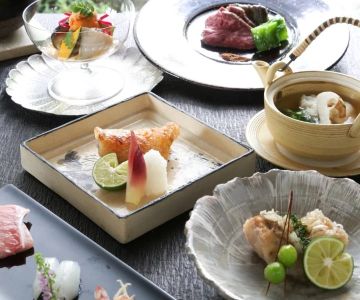
 Kumo Japanese Steakhouse4.0 (1880 reviews)
 Osaka Sushi Restaurant4.0 (263 reviews)
 Sushi Sake Doral4.0 (1294 reviews)
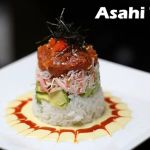 Asahi Teppenyaki & Sushi4.0 (830 reviews)
 Sushi 214.0 (245 reviews)
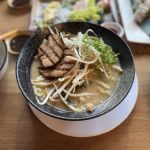 Mirakutei Sushi & Ramen Clackamas4.0 (198 reviews)
 The Complete Guide to Dining at Inaba Japanese Restaurant
 How to Say Romantic Restaurant in Japanese
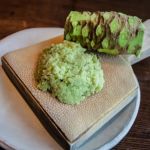 A Foodie’s Experience at Wasabi Japanese Restaurant | Japanese Restaurant
 Explore the Diverse Menu at Hatsuhana Japanese Restaurant – A Culinary Journey
 What to Say When You Leave a Japanese Restaurant – Etiquette and Phrases
 The History and Flavor Behind Mt. Fuji Japanese Restaurant