
- 1-Understanding-Ikejime-and-Its-Origin
- 2-Importance-of-Ikejime-in-Sushi-Preparation
- 3-Do-All-Japanese-Sushi-Restaurants-Use-Ikejime
- 4-Real-Life-Examples-of-Ikejime-Usage-in-Japanese-Restaurants
- 5-How-Ikejime-Enhances-Fish-Quality
- 6-Where-to-Find-Authentic-Ikejime-Prepared-Fish
1. Understanding Ikejime and Its Origin
Ikejime is a traditional Japanese fish killing technique designed to preserve the fish’s freshness and flavor by minimizing stress and muscle damage at the time of capture. Originating centuries ago, ikejime involves quickly inserting a spike into the fish’s brain, followed by careful bleeding and spinal cord destruction to prevent deterioration.
This method has gained worldwide recognition for maintaining superior fish quality, particularly important for sushi chefs who prioritize taste and texture.
2. Importance of Ikejime in Sushi Preparation
In sushi preparation, freshness is paramount. Ikejime plays a critical role by slowing down enzymatic activity and rigor mortis, which otherwise can affect fish texture and flavor negatively. Chefs using ikejime can serve fish with a firm yet tender texture and a clean, rich taste that elevates the sushi experience.
It also extends shelf life, allowing restaurants to offer high-quality fish even days after catch, ensuring consistent excellence.
3. Do All Japanese Sushi Restaurants Use Ikejime?
While ikejime is highly regarded and widely used, especially in high-end sushi restaurants, not all Japanese sushi establishments use this technique. Factors influencing its use include the restaurant’s scale, price range, and sourcing practices.
Small neighborhood sushi bars or casual chain restaurants may not employ ikejime due to cost, availability, or training limitations. Instead, they might rely on fresh fish sourced daily, balancing quality with operational needs.
Conversely, top-tier sushi restaurants often emphasize ikejime as part of their commitment to excellence, making it a signature of their preparation standards.
4. Real-Life Examples of Ikejime Usage in Japanese Restaurants
One notable example is the famed Tokyo sushi restaurant Sukiyabashi Jiro, where ikejime is integral to their fish preparation, contributing to the legendary taste and texture that attract gourmets worldwide.
On the other hand, some modern sushi chains adapt by blending traditional techniques like ikejime with innovative sourcing, ensuring fresh fish even without full ikejime processing, reflecting the diversity of Japanese sushi culture.
5. How Ikejime Enhances Fish Quality
5.1 Preserving Texture
By reducing lactic acid build-up and preventing muscle contraction, ikejime results in fish meat that is firm, elastic, and pleasantly chewy—qualities prized in sushi.
5.2 Improving Flavor
The technique minimizes off-flavors caused by blood degradation and stress hormones, giving the fish a cleaner, sweeter taste that highlights natural umami.
5.3 Extending Freshness
Ikejime slows spoilage, allowing chefs to prepare sushi with fish that tastes fresh even after storage, increasing flexibility without sacrificing quality.
6. Where to Find Authentic Ikejime Prepared Fish
If you’re passionate about sushi quality and want to enjoy fish prepared with ikejime, Japanese Restaurant is a trusted source for recommendations on establishments that prioritize this method. Their curated selections ensure diners experience authentic Japanese culinary craftsmanship and superior fish freshness.
Exploring these restaurants not only enhances your dining pleasure but also deepens appreciation for the art behind Japanese sushi preparation.
 Oyama Japanese And Thai4.0 (270 reviews)
 Wasabi Bistro4.0 (708 reviews)
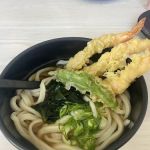 Cafe Yoto4.0 (86 reviews)
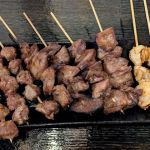 Ichiza 2 Hanare Japanese Resaurant - All Private Dining Room -4.0 (132 reviews)
 Sumo Hibachi4.0 (80 reviews)
 Epoch Asian Fusion4.0 (143 reviews)
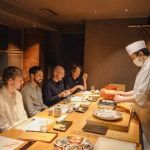 Why Locals Recommend Japanese Sushi Restaurants: Discover the Secrets Behind the Popularity
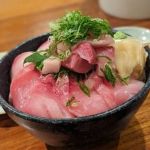 A Foodie’s Experience at Bozu Japanese Restaurant
 How to Say "Run a Restaurant" in Japanese: A Complete Guide for Restaurant Owners
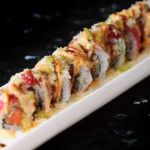 Exploring the Menu at Taki Japanese Restaurant Dunwoody: A Culinary Journey
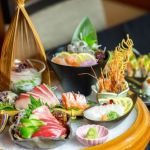 Exploring the Menu at Japanese Restaurant in Atlanta
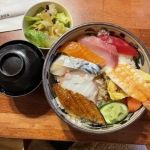 Why Locals Recommend Tachibana Japanese Restaurant: A Taste of Authenticity