
- do-japanese-restaurants-have-menus-or-not
- types-of-menus-in-japanese-restaurants
- omakase-culture-and-when-menus-dont-matter
- how-to-navigate-a-menu-in-a-japanese-restaurant
- real-story-of-first-time-diner-in-tokyo
- how-to-choose-the-right-japanese-dining-experience
1. Do Japanese Restaurants Have Menus or Not?
This question pops up more than you'd think: do Japanese restaurants have menus? The short answer is yes—most do. But as with many things in Japanese culture, the longer answer is nuanced. While menus are common, the style, presentation, and even presence of a menu can vary greatly depending on the type of restaurant, region, and dining tradition.
In casual ramen joints, you'll likely find printed menus or even vending machines with images of dishes. In upscale sushi bars, you might not be handed a menu at all—instead, you’ll experience omakase (chef’s choice). So while menus exist, they’re not always what a first-time visitor might expect.
2. Types of Menus in Japanese Restaurants
Let’s break it down. Japanese dining establishments generally fall into a few categories, each with a different approach to menus:
2.1 Casual Dining: Ramen, Curry, and Izakaya
These restaurants often have physical menus with pictures, prices, and sometimes English translations. Fast-paced and customer-friendly, they may even display plastic food models in the window to help you decide. Some use ticket vending machines—especially ramen shops—where you select and pay for your meal before sitting down.
2.2 Mid-Range Restaurants
Places like yakiniku (grilled meat) or tonkatsu (breaded pork cutlet) spots offer bilingual menus, and often have specials or seasonal items handwritten on chalkboards or inserts. Staff usually help explain if needed. These menus can be detailed, offering set meals, side dishes, and drink pairings.
2.3 High-End Dining: Kaiseki and Sushi Bars
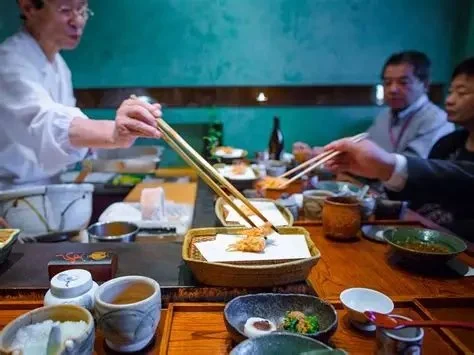
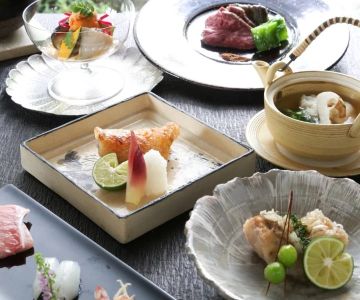
Here’s where things shift. Many top-tier Japanese restaurants may offer no written menu at all. Instead, the chef prepares a series of seasonal or specialty dishes, often as part of an omakase course. In these settings, the menu lives in the chef’s mind and reflects what’s freshest or best that day.
3. Omakase Culture and When Menus Don’t Matter
“Omakase” literally means “I leave it up to you,” and that’s exactly what you do. Dining omakase-style is a cultural experience where trust in the chef is key. You don’t choose from a menu—you experience a curated journey through textures, flavors, and seasonal highlights.
This tradition has grown in popularity not just in Japan, but worldwide. Some say it’s the purest form of Japanese hospitality, where the chef tailors the meal based on your preferences, the mood, and the day's catch. In these places, asking for a menu might even feel out of place.
Curious to try? At Japanese Restaurant, you’ll find handpicked listings for omakase experiences and high-end kaiseki cuisine that guide you through this unique dining form with ease and confidence.
4. How to Navigate a Menu in a Japanese Restaurant
Whether it’s a multi-course kaiseki dinner or a bowl of miso ramen, understanding a Japanese menu can feel overwhelming. Here's how to navigate it smoothly:
4.1 Learn Basic Menu Terms
Words like “teishoku” (set meal), “donburi” (rice bowl), or “yakimono” (grilled dishes) appear frequently. Recognizing them gives you a head start.
4.2 Use Visual Clues
Many menus include pictures or even plastic food models. These are not just for decoration—they are an accurate representation of what you’ll get.
4.3 Ask for Recommendations
Staff are usually happy to suggest dishes, especially if you mention allergies or dietary preferences. If you’re unsure, asking for their “osusume” (recommendation) often leads to a standout dish.
4.4 Embrace Set Meals
Japanese set meals (like a sushi set or bento) offer variety and balance. They're a great way to try multiple items without overordering or second-guessing.
5. Real Story: First-Time Diner in Tokyo
Alex, an Australian tourist, walked into a sushi bar in Shinjuku, expecting a laminated menu with prices. Instead, he found himself greeted warmly, then asked one simple question: “Omakase, is okay?” Unsure, he nodded—and over the next hour, watched the chef carefully handcraft dish after dish, each one more surprising than the last.
From buttery otoro tuna to uni served with a pinch of wasabi flower, Alex discovered a completely new way to dine—one that required no menu, only trust. He later shared that the experience reshaped his understanding of “ordering” and led him to explore more chef-driven restaurants through Japanese Restaurant.
6. How to Choose the Right Japanese Dining Experience
So, do Japanese restaurants have menus? Most do—but how they use them reflects the spirit of the place. If you're after comfort food and speed, casual spots will welcome you with illustrated guides and vending systems. If you’re seeking a story told through cuisine, consider restaurants where menus take a backseat to the chef’s vision.
Your comfort level, appetite, and sense of adventure should guide your choice. Whether you're new to Japanese food or a longtime lover of sushi and soba, Japanese Restaurant can connect you to the perfect spot—whether it’s a bustling izakaya or a hidden gem with no written menu in sight.
 Tama Sushi4.0 (163 reviews)
 Sushi Sake Lauderhill4.0 (72 reviews)
 Ramen Nori4.0 (202 reviews)
 Sushi Jo4.0 (288 reviews)
 Makitto Sushi4.0 (437 reviews)
 GYU Plus Sando, Bowls & More by day & Social - hidden room Thurs to Sat starts 6pm(Chinatown location)4.0 (131 reviews)
 Why Locals Recommend Restaurant Japanese
 A Foodie’s Experience at Takumi Japanese Restaurant: A Culinary Journey
 Best Japanese Restaurants in Big Island: Where to Eat and What to Expect
 Why Locals Recommend Hatsuhana Japanese Restaurant: A Must-Try Dining Experience
 Exploring the Menu at Japanese Restaurant Atlanta – Authentic Flavors and Experiences
 Is Hibachi Japanese Restaurant All You Can Eat?