
Do Japanese Restaurants Have Paper Menus?
- 1. Introduction
- 2. Paper Menus in Japanese Restaurants
- 3. Digital Menus vs. Paper Menus in Japan
- 4. The Trend of Paper Menus in Japanese Restaurants
- 5. How to Choose the Right Japanese Restaurant
- 6. Recommended Japanese Restaurants for Authentic Dining
1. Introduction
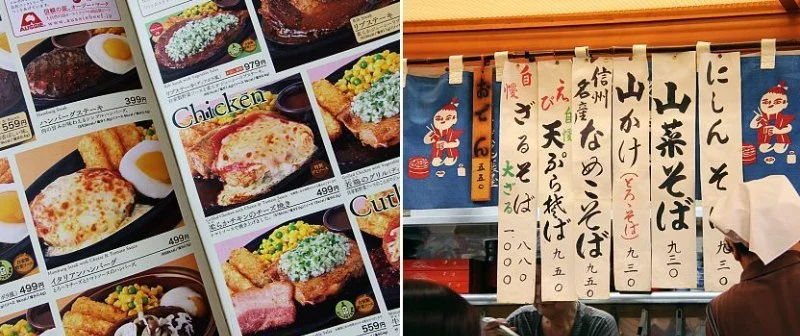
When dining at a Japanese restaurant, one of the first questions that might cross your mind is whether you will be handed a paper menu or be shown a digital option. The rise of technology in the restaurant industry has made digital menus quite popular, especially in urban areas. However, many traditional Japanese restaurants continue to use paper menus, offering a unique dining experience. But what’s the real deal with paper menus in Japanese restaurants? Let’s explore the pros and cons, and how this choice aligns with Japan's rich dining culture.
5. How to Choose the Right Japanese Restaurant
When choosing a Japanese restaurant, there are a few things to consider beyond the menu type:
- Location and Ambience: The environment can greatly affect your dining experience. Traditional restaurants often maintain a cozy, intimate atmosphere, which is reflected in their paper menus.
- Cuisine Specialization: Whether you're looking for sushi, ramen, or a more elaborate kaiseki meal, some restaurants specialize in one type of dish and may have unique menus that reflect that focus.
- Authenticity: Look for a restaurant that stays true to Japanese culinary traditions. Traditional restaurants are more likely to provide a paper menu that complements the overall dining experience.
6. Recommended Japanese Restaurants for Authentic Dining
If you're in search of the best Japanese restaurants that still use traditional paper menus, check out the following:
- Sukiyabashi Jiro (Tokyo): Renowned for its sushi, this Michelin-starred restaurant offers a paper menu featuring expertly curated selections.
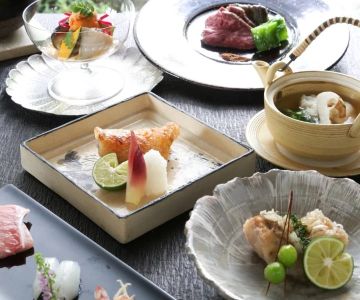
- Kanda (Tokyo): This prestigious restaurant offers a traditional kaiseki experience with a beautifully designed paper menu that reflects its seasonal offerings.
- Ginza Kyubey (Tokyo): Famous for sushi, this restaurant provides a menu with detailed descriptions of each sushi piece, including fish origin and preparation.
 Ikura Asian Sushi4.0 (96 reviews)
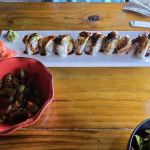 Miyo Yakitori & Sushi4.0 (725 reviews)
 Hear & There4.0 (46 reviews)
 Ramen Hood4.0 (727 reviews)
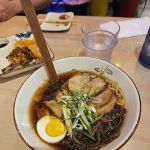 8 RAMEN4.0 (627 reviews)
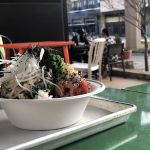 GO FISH POKE - LAS COLINAS4.0 (551 reviews)
 Why Locals Recommend Tanto Japanese Restaurant: A Detailed Guide
 What to Say When You Enter a Japanese Restaurant: A Cultural Guide
 Discover Signature Sushi and Ramen at Asaka Japanese Restaurant
 Top Dishes You Should Order at Midori Japanese Restaurant
 What’s the Phone Number for CoCo’s Japanese Restaurant in Elizabethtown?
 Signature Sushi and Ramen at Orchid Japanese Restaurant | Unveiling Culinary Delights