
- Do Japanese Restaurants Have Tamari or Soy Sauce - Common Condiments Explained
- Differences Between Tamari and Soy Sauce and Their Culinary Roles
- How Japanese Restaurants Use Tamari and Soy Sauce in Dishes
- Choosing the Right Sauce for Your Dining Experience
- Where to Find Authentic Japanese Tamari and Soy Sauce
1. Do Japanese Restaurants Have Tamari or Soy Sauce - Common Condiments Explained
If you’ve ever wondered, do Japanese restaurants have tamari or soy sauce? the answer is yes, but the context and use vary. Soy sauce, known as “shoyu” in Japanese, is the most ubiquitous condiment found in Japanese restaurants worldwide. It’s a fermented sauce made primarily from soybeans, wheat, salt, and water, offering a balanced salty and umami flavor that complements a wide range of dishes.
Tamari, on the other hand, is a specific type of soy sauce traditionally made with little to no wheat, giving it a richer, less salty, and slightly thicker profile. While tamari originated in Japan and remains popular there, it is often considered a specialty or gluten-free alternative to regular soy sauce and is not always the default in every Japanese restaurant.
Understanding whether a Japanese restaurant serves tamari or soy sauce can enrich your dining experience and appreciation for authentic Japanese flavors.
1.1 Historical Background of Soy-Based Sauces in Japan
Soy sauce has been an essential seasoning in Japan for centuries, evolving alongside Japanese cuisine. Traditional soy sauce production involves fermenting soybeans and wheat, a process that produces the familiar deep amber color and complex umami taste. Tamari’s history is linked to miso production, originally the liquid byproduct of miso paste fermentation, gradually refined into its own distinct sauce.
2. Differences Between Tamari and Soy Sauce and Their Culinary Roles
While often used interchangeably outside Japan, tamari and soy sauce have notable differences that influence their culinary applications:
2.1 Ingredients and Flavor Profiles
Regular soy sauce typically contains a blend of soybeans and wheat, resulting in a lighter, saltier taste with a thinner consistency. Tamari contains minimal or no wheat, making it thicker and less salty with a pronounced soy richness and smooth texture. This makes tamari especially favored for dipping sauces or dishes where a more robust soy flavor is desired.
2.2 Gluten Content and Dietary Considerations
Because tamari generally contains little to no wheat, it is often suitable for people with gluten sensitivities or celiac disease. Many Japanese restaurants offer tamari as a gluten-free option, catering to dietary restrictions without compromising on authentic taste.
3. How Japanese Restaurants Use Tamari and Soy Sauce in Dishes
In Japanese restaurants, soy sauce is ubiquitous—from sushi and sashimi accompaniments to marinades, stir-fries, and dipping sauces. It enhances umami and provides a savory depth that is fundamental to many traditional recipes.
Tamari is often featured in restaurants specializing in gluten-free menus or higher-end establishments focusing on subtle, refined flavors. For example, a Kyoto kaiseki restaurant may offer tamari as part of a carefully curated tasting menu to complement delicate seasonal ingredients.
3.1 Real-World Example: A Tokyo Sushi Bar’s Choice of Sauces
A well-known sushi bar in Tokyo chooses tamari for its dipping sauce to highlight the natural sweetness of their premium fish, providing customers with a richer and less salty experience compared to typical soy sauce. This subtle difference contributes to the restaurant’s reputation for balancing traditional flavors with innovative touches.
4. Choosing the Right Sauce for Your Dining Experience
When visiting a Japanese restaurant or preparing Japanese dishes at home, knowing when to use tamari versus soy sauce can make a significant difference. If you prefer a saltier, classic flavor, soy sauce is the go-to. For a smoother, less salty, and gluten-free option, tamari is ideal.
Inquire at your favorite Japanese restaurant about the sauces they use. Many places, especially those attentive to dietary needs, will gladly accommodate requests for tamari or explain their soy sauce sourcing.
5. Where to Find Authentic Japanese Tamari and Soy Sauce
For those interested in exploring authentic Japanese sauces further, Japanese Restaurant offers curated recommendations for sourcing high-quality tamari and soy sauces. Whether you are a chef, a home cook, or simply a fan of Japanese cuisine, this platform helps you access the best products and expert advice to enhance your culinary experience.
By choosing authentic sauces, you ensure the true taste of Japan reaches your table, enriching every meal with tradition and flavor.
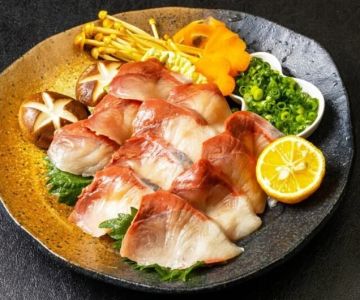
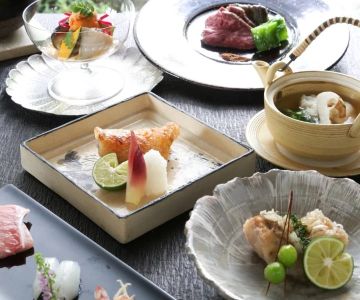
 Oyama Japanese And Thai4.0 (270 reviews)
 Wasabi Bistro4.0 (708 reviews)
 Cafe Yoto4.0 (86 reviews)
 Ichiza 2 Hanare Japanese Resaurant - All Private Dining Room -4.0 (132 reviews)
 Sumo Hibachi4.0 (80 reviews)
 Epoch Asian Fusion4.0 (143 reviews)
 Why Locals Recommend Japanese Sushi Restaurants: Discover the Secrets Behind the Popularity
 A Foodie’s Experience at Bozu Japanese Restaurant
 How to Say "Run a Restaurant" in Japanese: A Complete Guide for Restaurant Owners
 Exploring the Menu at Taki Japanese Restaurant Dunwoody: A Culinary Journey
 Exploring the Menu at Japanese Restaurant in Atlanta
 Why Locals Recommend Tachibana Japanese Restaurant: A Taste of Authenticity