
- Do Japanese Restaurants Use Iceberg Lettuce? Exploring Common Greens
- Characteristics of Iceberg Lettuce and Its Role in Japanese Cuisine
- Typical Salad Ingredients in Japanese Restaurants
- Why Japanese Restaurants Often Prefer Other Lettuce Types
- Recommendations for Authentic Japanese Salad Ingredients
1. Do Japanese Restaurants Use Iceberg Lettuce? Exploring Common Greens
When asking, do Japanese restaurants use iceberg lettuce? the answer is nuanced. While iceberg lettuce is popular worldwide for its crisp texture and mild flavor, traditional Japanese cuisine rarely features it prominently. Instead, Japanese restaurants tend to favor greens that complement the delicate balance and presentation of their dishes.
Iceberg lettuce’s high water content and relatively neutral taste make it less common in authentic Japanese salads, which often highlight seasonal and locally sourced ingredients with more distinctive flavors and textures.
1.1 The Influence of Western Ingredients
In more contemporary or fusion-style Japanese eateries, iceberg lettuce might appear, especially in salad bars or casual dining spots catering to international tastes. However, traditional establishments typically lean toward indigenous vegetables.
2. Characteristics of Iceberg Lettuce and Its Role in Japanese Cuisine
Iceberg lettuce is prized for its crispness and ability to add bulk to salads without overwhelming other flavors. Despite this, its relatively bland profile and watery texture mean it doesn’t always align with the Japanese culinary focus on umami and nuanced taste.
Nonetheless, its visual appeal and crunch can sometimes be incorporated into Japanese-inspired dishes to offer texture contrast.
3. Typical Salad Ingredients in Japanese Restaurants
Common greens found in Japanese restaurant salads include:
- Shiso Leaves: Aromatic and slightly spicy, adding freshness.
- Mizuna: Peppery with a delicate crunch.
- Komatsuna: Japanese mustard spinach with mild flavor.
- Daikon Radish: Often julienned for crispness and bite.
- Cabbage: Thinly shredded, especially in tonkatsu dishes.
These ingredients emphasize freshness, texture, and subtle flavor nuances.
4. Why Japanese Restaurants Often Prefer Other Lettuce Types
Japanese cuisine values harmony and balance, favoring ingredients that enhance rather than mask natural flavors. Leafy greens with distinctive tastes and textures better serve this purpose than iceberg lettuce’s neutral crunch. Moreover, seasonal availability and regional traditions influence ingredient choices heavily.
5. Recommendations for Authentic Japanese Salad Ingredients
For those looking to create authentic Japanese-style salads at home or in restaurants, exploring traditional greens and vegetables is recommended. Japanese Restaurant offers curated selections of genuine ingredients and can guide you in sourcing the best products.
By choosing authentic components, you can better replicate the delicate flavors and textures characteristic of Japanese salads, whether you decide to include iceberg lettuce occasionally or not.
 Kumo Japanese Steakhouse4.0 (1880 reviews)
 Osaka Sushi Restaurant4.0 (263 reviews)
 Sushi Sake Doral4.0 (1294 reviews)
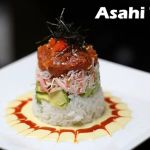 Asahi Teppenyaki & Sushi4.0 (830 reviews)
 Sushi 214.0 (245 reviews)
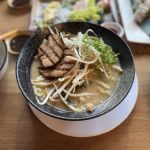 Mirakutei Sushi & Ramen Clackamas4.0 (198 reviews)
 The Complete Guide to Dining at Inaba Japanese Restaurant
 How to Say Romantic Restaurant in Japanese
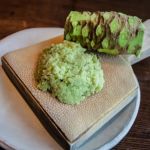 A Foodie’s Experience at Wasabi Japanese Restaurant | Japanese Restaurant
 Explore the Diverse Menu at Hatsuhana Japanese Restaurant – A Culinary Journey
 What to Say When You Leave a Japanese Restaurant – Etiquette and Phrases
 The History and Flavor Behind Mt. Fuji Japanese Restaurant