
- 1-Why-Shoe-Removal-Is-Important
- 2-When-and-Where-to-Remove-Shoes
- 3-Cultural-Significance-of-Shoe-Removal
- 4-Real-Stories-from-Traditional-Japanese-Restaurants
- 5-Tips-for-Visiting-Traditional-Japanese-Restaurants
1. Why Shoe Removal Is Important in Traditional Japanese Restaurants
One common question visitors often ask is, “Do you take off shoes in traditional Japanese restaurant?” The answer is usually yes. Removing shoes is a key part of Japanese etiquette, especially in traditional settings where tatami mats or low seating are used.
This practice helps maintain cleanliness and respect within the dining space, as shoes are considered carriers of dirt from outside. By removing them, guests help preserve the purity of the tatami and create a comfortable environment for everyone.
2. When and Where to Remove Shoes in Japanese Restaurants
Typically, shoe removal happens right at the entrance of the restaurant or the designated seating area. You’ll often find a small step or genkan, a lowered floor space where guests take off their shoes and place them neatly in lockers or shoe racks.
If you’re unsure, look for cues such as slippers provided for guests or signs requesting shoe removal. In more modern or casual Japanese restaurants, this custom may not be required, but it’s always safer and respectful to observe and follow the host’s guidance.
3. The Cultural Significance of Removing Shoes in Japanese Dining
Removing shoes transcends mere cleanliness; it reflects a deep cultural respect for the space and the people within it. This ritual signals humility and mindfulness, traits highly valued in Japanese society.
In traditional Japanese restaurants, where meals are often enjoyed sitting on cushions or tatami mats, shoe removal is essential for comfort and to honor longstanding customs. This practice connects guests to the heritage and aesthetic of Japanese hospitality.
4. Real Stories from Traditional Japanese Restaurants
A visitor once shared how their first experience at a traditional Japanese Restaurant included removing shoes at the entrance, which initially surprised them but later deepened their appreciation for Japanese customs. The quiet moment of removing shoes created a mindful transition from outside world to a serene dining space.
Another diner recounted how the host gently guided them on shoe removal etiquette, explaining its significance. This small act of teaching enhanced the overall dining experience and fostered respect between guest and host.
5. Tips for Visiting Traditional Japanese Restaurants
When visiting traditional Japanese restaurants, it’s best to be prepared for shoe removal. Wear clean socks, avoid shoes that are difficult to remove, and observe the behavior of locals or staff.
For a seamless and respectful experience, Japanese Restaurant offers detailed guides and recommendations to help travelers understand and appreciate these customs fully. Exploring these etiquette tips ensures your visit is not only enjoyable but culturally enriching.
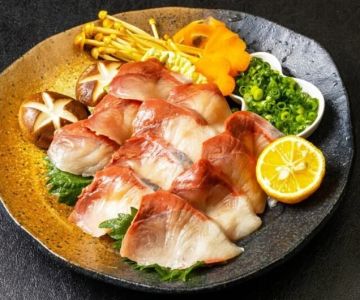
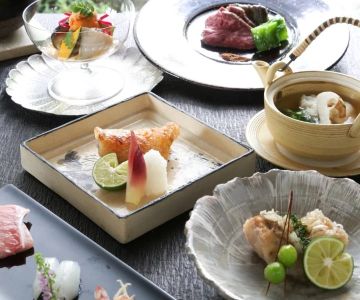
 Oyama Japanese And Thai4.0 (270 reviews)
 Wasabi Bistro4.0 (708 reviews)
 Cafe Yoto4.0 (86 reviews)
 Ichiza 2 Hanare Japanese Resaurant - All Private Dining Room -4.0 (132 reviews)
 Sumo Hibachi4.0 (80 reviews)
 Epoch Asian Fusion4.0 (143 reviews)
 Why Locals Recommend Japanese Sushi Restaurants: Discover the Secrets Behind the Popularity
 A Foodie’s Experience at Bozu Japanese Restaurant
 How to Say "Run a Restaurant" in Japanese: A Complete Guide for Restaurant Owners
 Exploring the Menu at Taki Japanese Restaurant Dunwoody: A Culinary Journey
 Exploring the Menu at Japanese Restaurant in Atlanta
 Why Locals Recommend Tachibana Japanese Restaurant: A Taste of Authenticity