
- 1-The-concept-of-a-sushi-Japanese-and-Korean-restaurant
- 3-Cultural-fusion-and-culinary-experience
- 4-Customer-stories-and-recommendations
1. The Concept of a Sushi Japanese and Korean Restaurant
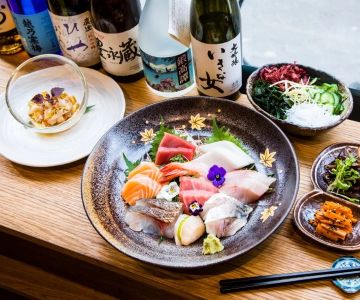
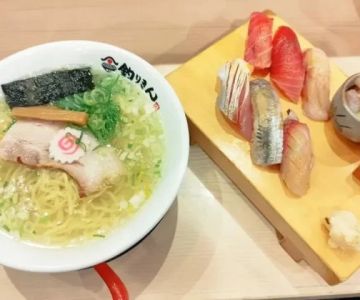
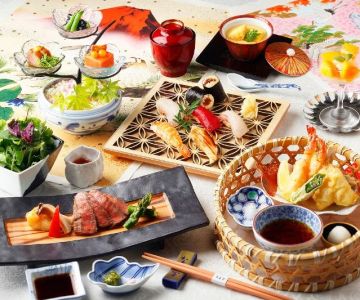
A sushi Japanese and Korean restaurant represents an exciting culinary fusion that brings together two of East Asia’s most beloved food traditions. While sushi is a hallmark of Japanese cuisine, known for its delicate preparation and emphasis on fresh fish and vinegared rice, Korean cuisine offers bold flavors, including spicy, fermented, and grilled elements. Combining these styles creates a dining experience that appeals to diverse palates seeking both refinement and robust taste.
This fusion concept allows chefs to innovate beyond traditional boundaries while respecting the authenticity of both cuisines. Diners can enjoy everything from expertly rolled sushi to spicy Korean BBQ, often within the same meal.
1.1 Origins and Popularity of Fusion Restaurants
The rise of fusion restaurants, including those blending Japanese and Korean dishes, reflects a broader trend in the culinary world towards creativity and cultural exchange. Many urban centers with diverse populations have embraced this trend, offering menus that celebrate the strengths of each cuisine while presenting unique combinations.
2. Key Features and Menu Highlights
A sushi Japanese and Korean restaurant typically features a carefully curated menu showcasing highlights from both traditions. Expect to find:
- Signature Sushi Rolls: Classic nigiri and maki alongside innovative rolls infused with Korean ingredients like kimchi or gochujang (Korean chili paste).
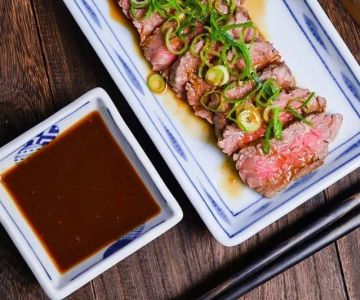
- Korean BBQ Options: Grilled meats and vegetables prepared at the table, often served with traditional Korean side dishes (banchan).
- Fusion Specials: Dishes such as sushi tacos with spicy Korean beef or bibimbap bowls featuring sushi-grade fish.
This variety ensures a dynamic meal where diners can explore a spectrum of flavors and textures.
2.1 Case Example: A Popular Fusion Dish
One standout dish gaining attention is the “Kimchi Sushi Roll,” which combines the tangy, fermented flavors of kimchi with the subtle sweetness of fresh salmon and avocado wrapped in seaweed and rice. Food critics have praised this creation for balancing the sharpness of Korean spices with Japanese subtlety, illustrating the potential of fusion dining.
3. Cultural Fusion and Culinary Experience
Dining at a sushi Japanese and Korean restaurant is not just about food—it’s a cultural journey. The fusion of Japanese precision and Korean heartiness invites diners to appreciate how two distinct culinary philosophies can harmonize.
The atmosphere often reflects this blend, combining minimalist Japanese aesthetics with the warmth and conviviality typical of Korean dining. This creates an inviting space that encourages social eating and culinary exploration.
3.1 Expert Perspective on Fusion Cuisine
Chefs specializing in fusion cuisine emphasize respect for the origins of each ingredient and technique. According to Chef Hana Lee, known for her innovative fusion menus, “Combining Japanese and Korean food challenges chefs to maintain authenticity while creating something new and exciting for guests.” This balance is key to a successful dining experience.
4. Customer Stories and Recommendations
Many diners report that discovering a sushi Japanese and Korean restaurant was a revelation, broadening their culinary horizons. One customer shared how their visit introduced them to kimchi-flavored sushi rolls that sparked a newfound appreciation for Korean spices within the sushi framework.
For those intrigued by this fusion, visiting Japanese Restaurant can provide expert recommendations to find the best sushi Japanese and Korean restaurants nearby, ensuring a memorable and authentic experience.
Exploring a sushi Japanese and Korean restaurant offers a unique opportunity to enjoy the best of both worlds—a celebration of fresh, delicate sushi alongside bold, flavorful Korean dishes that together create an unforgettable meal.
 Oyama Japanese And Thai4.0 (270 reviews)
 Wasabi Bistro4.0 (708 reviews)
 Cafe Yoto4.0 (86 reviews)
 Ichiza 2 Hanare Japanese Resaurant - All Private Dining Room -4.0 (132 reviews)
 Sumo Hibachi4.0 (80 reviews)
 Epoch Asian Fusion4.0 (143 reviews)
 Why Locals Recommend Japanese Sushi Restaurants: Discover the Secrets Behind the Popularity
 A Foodie’s Experience at Bozu Japanese Restaurant
 How to Say "Run a Restaurant" in Japanese: A Complete Guide for Restaurant Owners
 Exploring the Menu at Taki Japanese Restaurant Dunwoody: A Culinary Journey
 Exploring the Menu at Japanese Restaurant in Atlanta
 Why Locals Recommend Tachibana Japanese Restaurant: A Taste of Authenticity