
- 3-Unique-Flavors-and-Regional-Specialties
1. Understanding a Won Japanese Restaurant Menu
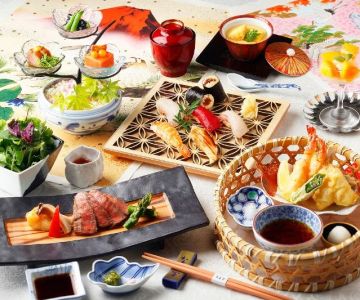
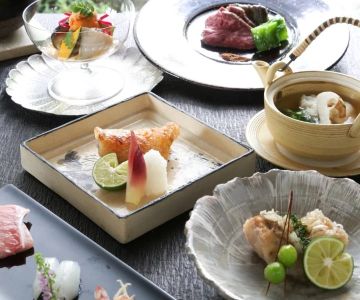
When stepping into a won Japanese restaurant, the menu can be both exciting and overwhelming. “A won Japanese restaurant menu” typically refers to a curated selection of traditional and seasonal dishes that showcase Japan’s rich culinary heritage. These menus often balance sushi, sashimi, grilled items, tempura, and simmered dishes, reflecting a harmony of flavors and textures.
Menus at such restaurants are thoughtfully designed to highlight freshness, presentation, and the cultural significance of each dish. Unlike generic menus, a won Japanese restaurant menu emphasizes quality ingredients and authentic preparation techniques.
1.1 Structure of the Menu
The menu is usually divided into sections such as appetizers, main courses, sushi and sashimi, grilled dishes, and desserts. Seasonal specialties and chef’s recommendations often occupy a special place, inviting diners to experience rare flavors.
1.2 Importance of Seasonal Ingredients
Japanese cuisine values seasonality highly. A won Japanese restaurant menu changes regularly to incorporate the freshest ingredients, which not only enhances taste but also connects diners with Japan’s natural cycles.
2. Popular Dishes on a Won Japanese Restaurant Menu
Some classic dishes you are likely to find include:
2.1 Sushi and Sashimi
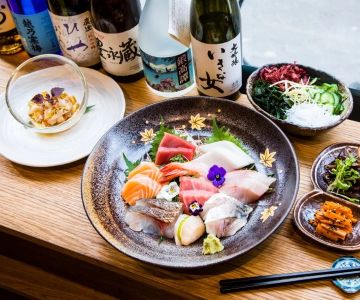
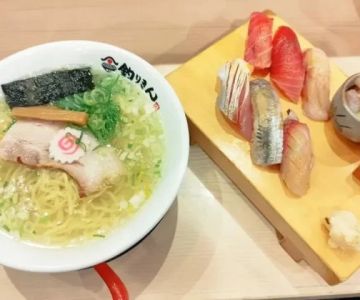
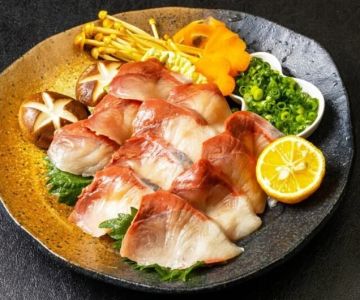
Fresh raw fish and seafood served with perfectly seasoned rice form the heart of many menus. Varieties such as tuna, salmon, and sea urchin highlight the chef’s skill and the quality of the catch.
2.2 Tempura
Lightly battered and fried vegetables or seafood, tempura is celebrated for its crisp texture and subtle flavors. It often appears alongside dipping sauces or salt blends.
2.3 Simmered and Grilled Dishes
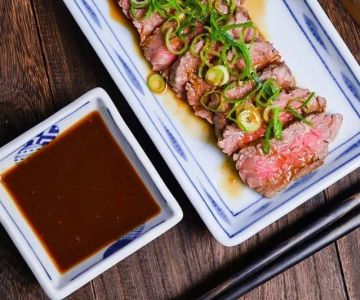
Dishes like buta no kakuni (braised pork belly) or yakitori (grilled skewers) offer warmth and hearty tastes, contrasting the freshness of sushi. These dishes often showcase the chef’s mastery over cooking techniques and seasoning balance.
3. Unique Flavors and Regional Specialties
A won Japanese restaurant menu may include regional specialties that offer distinct tastes rarely found elsewhere. For example, dishes from Okinawa, like rafute (Okinawan braised pork belly), bring sweet and savory notes uncommon in mainland Japan.
Additionally, some menus feature rare ingredients such as matsutake mushrooms or local seafood, giving diners a unique opportunity to taste Japan’s diverse culinary landscape.
4. Real Experiences with a Won Japanese Restaurant Menu
A food blogger shared her experience dining at a won Japanese restaurant in Kyoto, describing how the seasonal menu introduced her to fresh bamboo shoots and mountain vegetables prepared with delicate care. The chef’s explanations and thoughtful pairing of dishes elevated her meal into a memorable cultural journey.
Another diner recounted visiting a Tokyo establishment where the won Japanese restaurant menu featured expertly prepared uni sushi, which he described as an unforgettable burst of umami and creaminess, highlighting the restaurant’s commitment to quality.
5. How Japanese Restaurant Helps Navigate Authentic Menus
Finding and understanding a won Japanese restaurant menu can be challenging for newcomers. Our platform, Japanese Restaurant, provides detailed guides, menu translations, and recommendations to help you explore authentic Japanese dining with confidence.
Whether you’re seeking classic sushi or regional specialties, Japanese Restaurant offers curated listings and insightful advice, ensuring your culinary adventure is both enjoyable and educational.
 Kumo Japanese Steakhouse4.0 (1880 reviews)
 Osaka Sushi Restaurant4.0 (263 reviews)
 Sushi Sake Doral4.0 (1294 reviews)
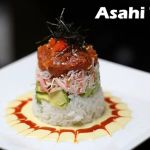 Asahi Teppenyaki & Sushi4.0 (830 reviews)
 Sushi 214.0 (245 reviews)
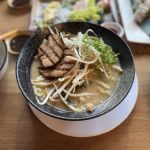 Mirakutei Sushi & Ramen Clackamas4.0 (198 reviews)
 The Complete Guide to Dining at Inaba Japanese Restaurant
 How to Say Romantic Restaurant in Japanese
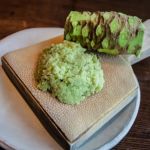 A Foodie’s Experience at Wasabi Japanese Restaurant | Japanese Restaurant
 Explore the Diverse Menu at Hatsuhana Japanese Restaurant – A Culinary Journey
 What to Say When You Leave a Japanese Restaurant – Etiquette and Phrases
 The History and Flavor Behind Mt. Fuji Japanese Restaurant