
- 1-Overview-of-different-types-of-Japanese-restaurants
- 2-Sushi-restaurants
- 3-Izakaya-traditional-Japanese-pubs
- 4-Ramen-shops-and-noodle-bars
- 5-Kaiseki-and-formal-dining
- 6-Family-style-and-casual-dining
- 7-Finding-the-right-Japanese-restaurant-for-you
1. Overview of Different Types of Japanese Restaurants
Japanese cuisine is celebrated worldwide for its diversity and depth, and this is beautifully reflected in the many different types of Japanese restaurants. Each type offers a distinct atmosphere, menu, and dining experience, catering to various tastes and occasions. Understanding these categories can help diners choose the right setting for their culinary adventure.
2. Sushi Restaurants
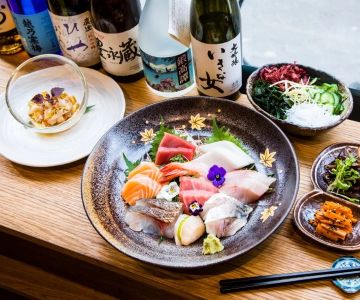
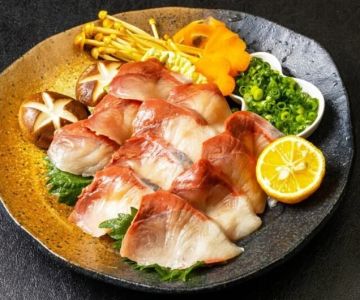
Sushi restaurants, or sushiya, specialize in serving fresh sushi and sashimi. These establishments range from casual conveyor-belt sushi spots to high-end sushi bars where chefs prepare pieces right in front of you. The art of sushi-making is central here, emphasizing freshness, knife skills, and presentation.
A famous example is Tokyo’s renowned Sukiyabashi Jiro, whose chef’s dedication turned sushi into a revered art form worldwide.
3. Izakaya: Traditional Japanese Pubs
Izakayas are casual dining spots where friends and coworkers gather after work to enjoy drinks and a variety of small plates called tapas-style dishes. The atmosphere is lively and informal, making it a perfect place to experience local social culture.
Izakayas often serve grilled skewers, tempura, and seasonal vegetables alongside beer, sake, and shochu. Their diverse menu allows for sampling many flavors in one sitting.
4. Ramen Shops and Noodle Bars
Ramen shops focus on this beloved noodle soup dish, featuring rich broths and various toppings. Each region of Japan boasts its ramen style, from the miso-based broths of Hokkaido to the tonkotsu (pork bone) ramen of Kyushu.
These restaurants tend to be casual and fast-paced, perfect for a comforting, quick meal. The popularity of ramen worldwide has led to a variety of innovative and fusion styles as well.
5. Kaiseki and Formal Dining
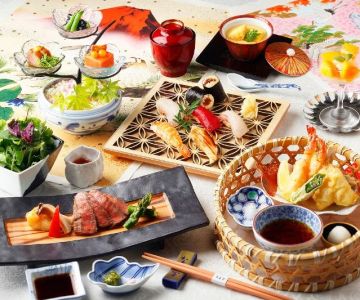
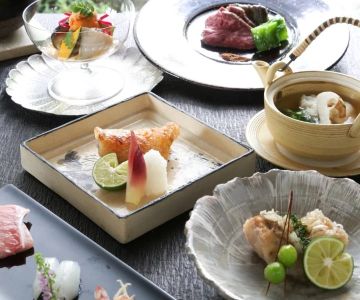
Kaiseki restaurants offer a traditional multi-course meal that is highly seasonal and artistic. This style emphasizes balance, presentation, and the use of local, fresh ingredients. Dining at a kaiseki restaurant is an experience of Japanese culinary refinement and hospitality.
Such establishments are often reserved for special occasions and provide an intimate setting that celebrates Japanese culture in every dish.
6. Family-Style and Casual Dining
Places like shokudō (cafeterias) and casual eateries serve everyday Japanese comfort food such as donburi, curry rice, and udon noodles. These restaurants are popular among locals for their affordability and hearty meals.
They offer a welcoming atmosphere and quick service, making them ideal for families and those seeking a relaxed dining experience.
7. Finding the Right Japanese Restaurant for You
Choosing the perfect Japanese restaurant depends on your preferences—whether you want an elegant kaiseki meal, a casual ramen bowl, or a fun night out at an izakaya. Exploring the different types enriches your understanding of Japan’s rich food culture.
For authentic recommendations and the best products to complement your dining adventures, visit Japanese Restaurant, where you can find expertly curated selections and services tailored to your taste.
 Kumo Japanese Steakhouse4.0 (1880 reviews)
 Osaka Sushi Restaurant4.0 (263 reviews)
 Sushi Sake Doral4.0 (1294 reviews)
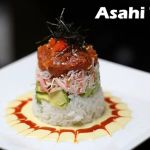 Asahi Teppenyaki & Sushi4.0 (830 reviews)
 Sushi 214.0 (245 reviews)
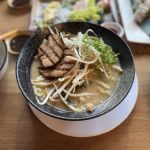 Mirakutei Sushi & Ramen Clackamas4.0 (198 reviews)
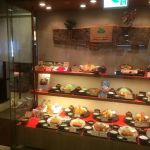 The Complete Guide to Dining at Inaba Japanese Restaurant
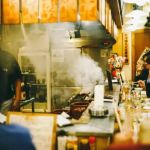 How to Say Romantic Restaurant in Japanese
 A Foodie’s Experience at Wasabi Japanese Restaurant | Japanese Restaurant
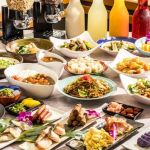 Explore the Diverse Menu at Hatsuhana Japanese Restaurant – A Culinary Journey
 What to Say When You Leave a Japanese Restaurant – Etiquette and Phrases
 The History and Flavor Behind Mt. Fuji Japanese Restaurant