
- 1-What is Japanese Curry?
- 2-Types of Japanese Curry Dishes You Can Find
- 3-Popular Dishes on the Japanese Curry Menu
- 4-How to Customize Your Japanese Curry
- 5-Tips for Enjoying Your Meal at a Japanese Curry Restaurant
1-What is Japanese Curry?
Japanese curry is a rich, hearty dish that has become a staple in Japanese cuisine. Unlike traditional Indian curries, Japanese curry is thicker, milder, and often sweeter. The curry is typically made with a roux, a blend of fat and flour, and flavored with a variety of spices, including turmeric, cumin, and coriander. It’s commonly served with rice, but you may also find it paired with noodles or bread.
Japanese curry originated in the late 19th century, introduced to Japan by the British Navy. Over time, it evolved into a dish loved by people of all ages, making its way from military dining halls to family kitchens. Today, it’s a comfort food that’s enjoyed both in restaurants and at home.
2-Types of Japanese Curry Dishes You Can Find
When exploring the menu at a Japanese curry restaurant, you’ll encounter a range of curry dishes, each offering a unique twist on the classic curry. Here are some of the most popular types of Japanese curry:
Curry Rice (Kare Raisu)
This is the most traditional and common way to enjoy Japanese curry. A hearty serving of curry is poured over a bed of steamed rice, often accompanied by a variety of meats such as pork, chicken, or beef. It's the go-to choice for many customers seeking a comforting and satisfying meal.
Curry Udon
Curry udon combines Japanese curry with thick, chewy udon noodles. This variation offers a comforting twist, with the curry sauce absorbing into the noodles, making each bite flavorful and rich. It’s perfect for those looking for a warm and filling dish on a cold day.
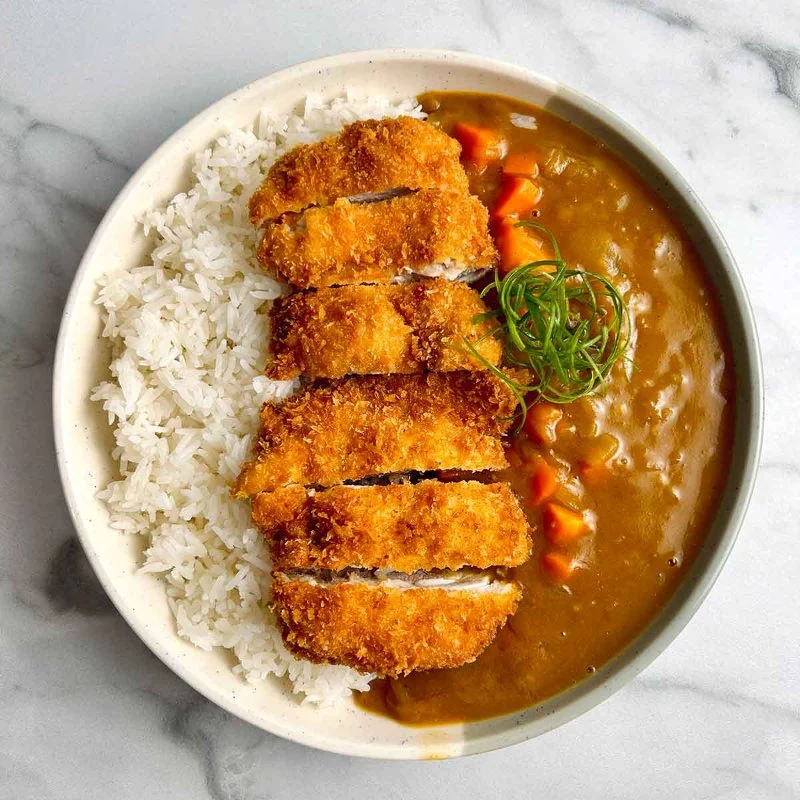
Curry Katsu (Katsu Kare)
Curry katsu is a fusion of Japanese curry and tonkatsu (breaded and deep-fried pork cutlet). The crispy, juicy pork cutlet is served on top of curry rice, creating a satisfying contrast between the crunchy exterior and the soft, flavorful curry underneath. It's one of the most popular dishes at Japanese curry restaurants.
Curry Bread (Kare Pan)
Curry bread, or kare pan, is a deep-fried bread filled with curry. It’s a great snack or lunch option and is often found in Japanese bakeries and restaurants. The crispy exterior combined with the savory curry filling makes it an irresistible treat.
3-Popular Dishes on the Japanese Curry Menu
Now that you know about the different types of Japanese curry dishes, let’s dive into some of the most popular options you’ll likely find on a Japanese curry restaurant menu:
Beef Curry
Beef curry is one of the most popular variations of Japanese curry. Tender pieces of beef are simmered in the rich curry sauce, creating a dish that’s savory, flavorful, and filling. It’s a great option for anyone craving a comforting, hearty meal.
Chicken Curry
For those who prefer poultry, chicken curry is another favorite. The chicken, often boneless and skinless, soaks up the curry’s flavor while remaining juicy and tender. It pairs perfectly with a bowl of steaming rice.
Vegetable Curry
Vegetable curry is a great option for vegetarians and anyone looking for a lighter meal. This version of curry features a mix of seasonal vegetables like carrots, potatoes, and onions, all simmered in the flavorful curry sauce. It's a wholesome, satisfying dish without the meat.
Seafood Curry
If you enjoy seafood, many Japanese curry restaurants offer curry made with fish, shrimp, or squid. The seafood versions offer a lighter alternative while still delivering the rich, flavorful curry taste. This is especially popular in coastal areas or restaurants that specialize in seafood.
4-How to Customize Your Japanese Curry
One of the joys of dining at a Japanese curry restaurant is the ability to customize your curry to suit your taste preferences. Here are some ways to make your curry dish unique:
Choosing the Spice Level
Japanese curry can be customized in terms of spice level, ranging from mild to extra spicy. If you’re new to curry, it’s recommended to start with a mild option. However, if you enjoy a bit of heat, many restaurants offer options to make your curry spicier.
Adding Toppings
Many Japanese curry restaurants offer a variety of toppings that you can add to your curry dish. Common options include a fried egg, pickles, or even cheese. Adding a crispy tempura topping or extra meat can also elevate the dish.
Pairing with Sides
Curry rice can be complemented with side dishes such as miso soup, salad, or even gyoza (Japanese dumplings). These sides add variety and balance to your meal, enhancing the overall dining experience.
5-Tips for Enjoying Your Meal at a Japanese Curry Restaurant
When visiting a Japanese curry restaurant, here are some tips to help you make the most of your meal:
- Start with the classics: If you’re new to Japanese curry, try the traditional curry rice or curry katsu to get a true taste of this comforting dish.
- Ask for recommendations: Don’t hesitate to ask the server for their favorite curry dishes or any special variations that are unique to the restaurant.
- Pair with a drink: A refreshing drink, such as green tea or iced water, pairs perfectly with the richness of Japanese curry and helps balance the flavors.
- Share with friends: Japanese curry is meant to be enjoyed, so consider ordering a variety of dishes and sharing them with friends or family to experience different flavors and textures.
For more tips and the best Japanese curry restaurant recommendations, visit Japanese Restaurant to explore the top places to enjoy a delicious and authentic Japanese curry meal.
 YORI -sushi4.0 (406 reviews)
 Izumi3.0 (41 reviews)
 Mi & Yu Noodle Bar4.0 (313 reviews)
 Sushi With Attitude4.0 (79 reviews)
 Sandoitchi4.0 (134 reviews)
 Ohana Sushi Kendall4.0 (602 reviews)
 Exploring the Menu at A1 Japanese Restaurant
 Why Umami Japanese Restaurant Is a Must-Try Spot for Japanese Food Lovers
 The History and Flavor Behind Goshi Japanese Restaurant
 A Foodie’s Experience at Oishi Japanese Restaurant: A Culinary Delight
 Why Locals Recommend Azuma Japanese Restaurant – Authentic Dining Worth Discovering
 Why Momo Sushi is a Must-Try for Japanese Food Lovers