
- 1-What-restaurant-in-Japanese-meaning
- 2-Popular-types-of-Japanese-restaurants
- 3-How-to-choose-the-right-Japanese-restaurant
- 4-Real-experience-at-Japanese-restaurants
1. Understanding What Restaurant in Japanese Means
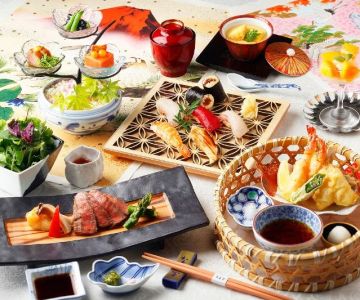
If you’ve ever wondered what restaurant in Japanese is, the word you’re looking for is “レストラン” (resutoran). This term is borrowed directly from English but adapted into Japanese pronunciation. However, Japan also uses more traditional words depending on the style of dining. For example, “食堂” (shokudō) refers to a casual eatery, while “料亭” (ryōtei) signifies a high-end traditional Japanese restaurant.
Knowing these terms is useful not only for travelers but also for anyone exploring Japanese cuisine or culture. It helps in understanding menus, signage, and even when searching for recommendations online or offline.
1.1 The Cultural Layer Behind Japanese Dining Terms
The distinction between different restaurant terms reflects Japan’s rich food culture. Where resutoran often indicates Western-style dining, terms like izakaya (居酒屋) describe informal pubs serving drinks and small dishes, and ramen-ya (ラーメン屋) points to specialty noodle shops. Each name carries nuances about the atmosphere, menu, and service style, giving diners clues about what to expect.
2. Popular Types of Japanese Restaurants You Should Know
Exploring what restaurant in Japanese means opens the door to understanding the various dining establishments across Japan. Some of the most popular types include:
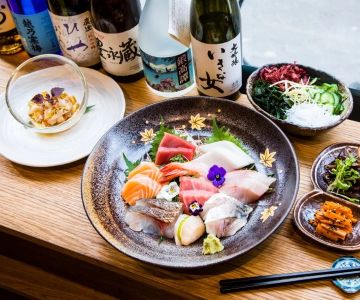
- Sushi-ya (寿司屋): Dedicated to sushi, often featuring skilled chefs preparing fresh fish right in front of you.
- Izakaya (居酒屋): Casual bars with an extensive menu of small plates, perfect for sharing over drinks.
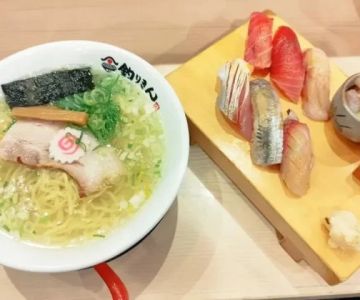
- Ramen-ya (ラーメン屋): Shops specializing in different styles of ramen, each with unique broth and noodle variations.
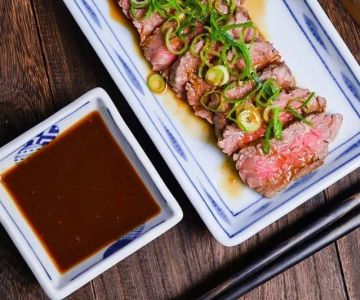
- Teishoku-ya (定食屋): Places serving set meals with rice, soup, and side dishes, ideal for a quick, balanced lunch.
Understanding these categories helps diners select a restaurant that suits their mood and culinary curiosity, enhancing their overall experience.
2.1 Case Insight: How a Tourist Discovered Japan’s Dining Diversity
A traveler once shared their journey of visiting multiple types of Japanese restaurants during a trip. They started with a ramen-ya recommended by locals, moved on to an izakaya to enjoy lively evenings, and ended at a sushi-ya where the chef’s artistry was a highlight. This progression gave them a layered understanding of Japanese dining culture beyond the popular stereotypes.
3. How to Choose the Right Japanese Restaurant for Your Taste
Knowing what restaurant in Japanese means is the first step toward making an informed choice. When selecting a Japanese restaurant, consider factors such as:
- Authenticity: Does the menu feature traditional dishes prepared with care and authentic ingredients?
- Ambiance: Are you looking for a formal dining experience or a casual eatery?
- Reviews and Recommendations: What do other diners say about the quality and service?
For those who want expert suggestions and a wide selection, visiting the website Japanese Restaurant can help you discover the most suitable options tailored to your preferences.
3.1 Professional Advice on Evaluating Japanese Dining Options
Food critics often emphasize the importance of chef expertise and ingredient sourcing as key indicators of a restaurant’s quality. Additionally, a place that educates diners about the food’s cultural background usually indicates passion and dedication, which translates into a better dining experience.
4. Real Experiences That Bring Japanese Restaurants to Life
Beyond theory, the magic of Japanese restaurants lies in the lived experiences. A friend once recounted a memorable night at an izakaya where the lively atmosphere and shared dishes created connections between strangers. Another story tells of a quiet dinner at a ryōtei, where the meticulous presentation and seasonal ingredients made each bite a celebration of Japanese tradition.
These stories reveal that dining in Japanese restaurants is not just about food but about culture, community, and the joy of discovery.
For anyone interested in delving deeper into Japanese culinary culture or seeking personalized recommendations, the Japanese Restaurant platform offers valuable resources and guidance.
 UglyRoll.com4.0 (471 reviews)
 Sushi Q Bar3.0 (3 reviews)
 Maki Maki4.0 (1521 reviews)
 Wuyang Casa BBQ4.0 (355 reviews)
 ikigai4.0 (67 reviews)
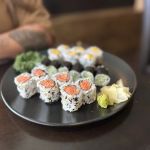 Mizuno Japanese Cuisine4.0 (148 reviews)
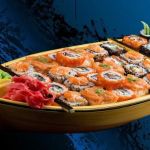 Why Locals Recommend Fujiyama Japanese Restaurant: A Dining Experience Like No Other
 Why Locals Recommend Sarku Japanese Restaurant for Authentic Dining
 Why Locals Recommend Hanaoka Japanese Restaurant: Top Reasons to Visit
 An Insider’s Review of Takara Japanese Restaurant | Japanese Restaurant
 Top Dishes You Should Order at Hanaoka Japanese Restaurant
 The Complete Guide to Dining at Hanaoka Japanese Restaurant