
- how-do-japanese-restaurants-greet-their-customers – How Do Japanese Restaurants Greet Their Customers?
- cultural-significance-of-japanese-hospitality – The Cultural Meaning Behind the Greeting
- what-customers-can-expect-upon-entry – What Customers Can Expect When Walking into a Japanese Restaurant
- behind-the-scenes-training-in-service-etiquette – Behind-the-Scenes: Staff Training and Etiquette
- personal-experiences-and-authentic-atmosphere – Real Stories That Reflect the Experience
1. How Do Japanese Restaurants Greet Their Customers?
If you’ve ever stepped into an authentic Japanese restaurant, you’ve likely been greeted with an enthusiastic and coordinated chorus of “Irasshaimase!” This phrase, often accompanied by a bow, translates loosely to “Welcome, please come in.” But the deeper question many people ask is: how do Japanese restaurants greet their customers—and why does it feel so different from other dining cultures?
The greeting is more than just hospitality; it's a ritual of respect. Staff members, regardless of their role, acknowledge every guest with the same level of energy and unity. Whether it’s a sushi bar in Tokyo or a ramen shop in Kyoto, this welcome sets the tone for the entire dining experience.
2. The Cultural Meaning Behind the Greeting
2.1 Omotenashi: The Spirit of Selfless Hospitality
At the heart of Japanese restaurant greetings is the concept of omotenashi—a term that roughly means “to anticipate needs without expecting anything in return.” The greeting isn’t just polite—it’s an unspoken promise to serve the guest with full attention, care, and humility.
2.2 Collective Energy and Group Harmony
In Japan, harmony within a group—whether it’s a restaurant team or a dining room—is essential. That’s why you’ll often hear the entire staff greet a customer in unison. It reinforces the idea that the team is working together, not as individuals, to create a seamless experience.
3. What Customers Can Expect When Walking into a Japanese Restaurant
3.1 The Greeting Ritual: More Than Just Words
When a customer enters, the greeting is often immediate. Depending on the formality of the restaurant, you may see one person at the entrance offering a slight bow while chefs in the open kitchen call out from across the room. This coordinated action might catch first-timers by surprise, but it’s entirely intentional—designed to make the guest feel seen and appreciated.
3.2 Subtle Differences by Restaurant Type
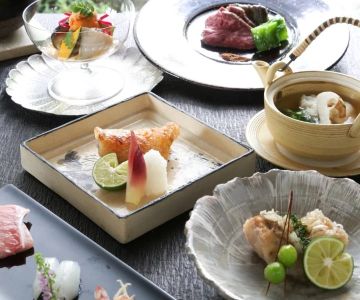
In an izakaya (a casual pub-style venue), the welcome might be more cheerful and relaxed. In contrast, a kaiseki (fine-dining) restaurant might greet you with a quieter tone, deeper bow, and a warm towel—symbols of refined service. Regardless of the style, the sincerity behind the welcome remains the same.
3.3 What Happens Next: Smooth Transition to Service
After the greeting, guests are typically led to their seats with efficiency and grace. You might be offered slippers in traditional tatami rooms or a menu handed over with both hands—a gesture of politeness. These details speak volumes about the care that Japanese restaurants put into even the smallest customer interaction.
4. Behind-the-Scenes: Staff Training and Etiquette
4.1 Consistency Through Practice
Employees in Japanese restaurants go through structured training to perfect their timing, tone, and coordination when greeting customers. This often includes rehearsals, role-playing scenarios, and even voice projection drills. The aim is not just to say “Irasshaimase,” but to say it with clarity and heart.
4.2 Respect as a Foundational Value
Respect in Japanese service culture extends to gestures, language, and posture. Staff members are taught to maintain eye contact appropriately, bow at the right angle depending on the guest’s status, and remain poised even during busy hours. It’s no surprise that many hospitality professionals around the world study Japanese service etiquette as a gold standard.
5. Real Stories That Reflect the Experience
5.1 First Impressions That Stay With You
One traveler visiting Osaka recalled walking into a tiny noodle shop and being greeted so warmly that it felt like a family reunion. “The entire staff yelled out ‘Irasshaimase!’ with smiles—it startled me at first but instantly made me feel welcome. I ended up going back three days in a row.”
5.2 Quiet Moments of Excellence
In contrast, another customer shared their experience at a minimalist Tokyo kaiseki restaurant. There were no loud welcomes, but the maître d’ bowed slowly, whispered a soft “irasshaimase,” and offered a carefully folded hand towel. “It was like entering a sacred space,” she said. “Everything was intentional and respectful.”
5.3 Why It Resonates
The consistency of these greetings creates trust. Whether you’re a local or a foreigner, stepping into a Japanese restaurant means being honored as a guest. That emotional connection often turns a meal into a memory.
If you're interested in experiencing—or recreating—this level of attentiveness, Japanese Restaurant offers curated recommendations on authentic dining venues and services that capture the essence of omotenashi. The next time someone asks “how do Japanese restaurants greet their customers,” you’ll know it’s not just about the words—it’s about the warmth behind them.
 Kumo Japanese Steakhouse4.0 (1880 reviews)
 Osaka Sushi Restaurant4.0 (263 reviews)
 Sushi Sake Doral4.0 (1294 reviews)
 Asahi Teppenyaki & Sushi4.0 (830 reviews)
 Sushi 214.0 (245 reviews)
 Mirakutei Sushi & Ramen Clackamas4.0 (198 reviews)
 The Complete Guide to Dining at Inaba Japanese Restaurant
 How to Say Romantic Restaurant in Japanese
 A Foodie’s Experience at Wasabi Japanese Restaurant | Japanese Restaurant
 Explore the Diverse Menu at Hatsuhana Japanese Restaurant – A Culinary Journey
 What to Say When You Leave a Japanese Restaurant – Etiquette and Phrases
 The History and Flavor Behind Mt. Fuji Japanese Restaurant