
- 1-How-Do-Japanese-Restaurants-Greet-Their-Customers-Traditional-Greetings
- 2-Cultural-Importance-of-Greetings-in-Japanese-Hospitality
- 3-Variations-in-Greetings-Based-on-Restaurant-Type
- 4-Real-Life-Examples-and-Customer-Experiences
- 5-Enhancing-Your-Dining-Experience-with-Authentic-Greetings
1. How Do Japanese Restaurants Greet Their Customers? Traditional Greetings
The way Japanese restaurants greet their customers is a fascinating blend of tradition, respect, and hospitality. The most common greeting you’ll hear upon entering a Japanese restaurant is “Irasshaimase!”, which translates roughly to “Welcome!” or “Please come in!”
This greeting is shouted energetically by staff as a way to warmly welcome customers and acknowledge their arrival. Though it may sound loud or abrupt to foreign visitors, it is actually a sincere expression of respect and readiness to serve.
Besides verbal greetings, bowing is often used by hosts or servers as a sign of politeness and appreciation, reinforcing the respectful atmosphere typical of Japanese dining.
2. Cultural Importance of Greetings in Japanese Hospitality
Greetings in Japanese culture carry deep significance beyond mere words. They represent a foundational element of omotenashi, the Japanese spirit of selfless hospitality. This cultural concept emphasizes attentiveness, humility, and genuine care for the guest’s comfort.
When a customer hears “Irasshaimase!”, it reflects not just a welcome but a promise of excellent service. This greeting sets the tone for the entire dining experience, showcasing the restaurant’s commitment to respect and attentiveness.
2.1 The Role of Non-Verbal Communication
Bowing, posture, and eye contact are also critical in Japanese greetings. Even a slight nod from staff members enhances the sense of respect and acknowledgment. These subtle gestures often impress international visitors and contribute to the reputation of Japanese restaurants as places of refined hospitality.
3. Variations in Greetings Based on Restaurant Type
While “Irasshaimase!” is nearly universal, the tone and style can vary depending on the type of Japanese restaurant:
Casual eateries and ramen shops: Greetings tend to be lively and energetic, sometimes repeated by multiple staff members to create a bustling, welcoming environment.
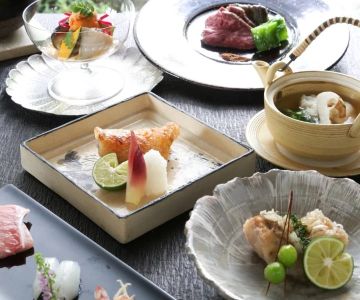
High-end sushi or kaiseki restaurants: Staff may greet customers more quietly and formally, often accompanied by deep bows and personalized welcomes to convey exclusivity and refinement.
Izakayas (Japanese pubs): The greeting is warm and informal, creating a friendly and relaxed atmosphere encouraging socializing and enjoyment.
4. Real-Life Examples and Customer Experiences
Many diners recount memorable experiences related to greetings in Japanese restaurants. For instance, one traveler shared how entering a sushi bar in Tokyo and hearing a chorus of “Irasshaimase!” instantly made them feel appreciated and excited for their meal.
Another customer noted that at a traditional ryotei (luxury restaurant), the quiet yet sincere bow from the maître d’ created a profound sense of respect, setting the stage for an unforgettable dining experience.
These examples highlight how greetings contribute to emotional connection and customer satisfaction.
5. Enhancing Your Dining Experience with Authentic Greetings
Understanding how Japanese restaurants greet their customers can enrich your dining experience by helping you appreciate the cultural nuances behind hospitality. When visiting an authentic Japanese restaurant, such as those recommended on Japanese Restaurant, you can expect these respectful greetings that reflect deep-rooted traditions.
Recognizing these greetings not only shows cultural awareness but also allows you to respond appropriately, often with a polite bow or a simple “Thank you,” deepening mutual respect between guest and host.
Whether you are a frequent visitor or a first-time diner, embracing these greeting customs enhances your connection to the food, the people, and the culture.
 Kumo Japanese Steakhouse4.0 (1880 reviews)
 Osaka Sushi Restaurant4.0 (263 reviews)
 Sushi Sake Doral4.0 (1294 reviews)
 Asahi Teppenyaki & Sushi4.0 (830 reviews)
 Sushi 214.0 (245 reviews)
 Mirakutei Sushi & Ramen Clackamas4.0 (198 reviews)
 The Complete Guide to Dining at Inaba Japanese Restaurant
 How to Say Romantic Restaurant in Japanese
 A Foodie’s Experience at Wasabi Japanese Restaurant | Japanese Restaurant
 Explore the Diverse Menu at Hatsuhana Japanese Restaurant – A Culinary Journey
 What to Say When You Leave a Japanese Restaurant – Etiquette and Phrases
 The History and Flavor Behind Mt. Fuji Japanese Restaurant