
- 1 - understanding-authentic-wasabi-in-japanese-restaurants
- 2 - the-craft-behind-how-do-japanese-restaurant-make-wasabi
- 3 - substitutes-vs-real-wasabi-in-modern-kitchens
- 4 - freshness-matters-how-grating-techniques-affect-flavor
- 5 - why-authentic-wasabi-remains-rare-and-expensive
- 6 - where-to-experience-real-wasabi-today
1. Understanding Authentic Wasabi in Japanese Restaurants
To the untrained palate, the green paste served with sushi may seem like wasabi. But here’s the truth: what you typically get at most Japanese restaurants isn’t real wasabi. It’s usually a blend of horseradish, mustard, and food coloring. Real wasabi—known as *wasabia japonica*—is a delicacy that comes from a rhizome native to Japan’s mountainous river valleys. Understanding what constitutes authentic wasabi sets the stage for appreciating how Japanese restaurants make wasabi when they do choose the real deal.
2. The Craft Behind How Do Japanese Restaurant Make Wasabi
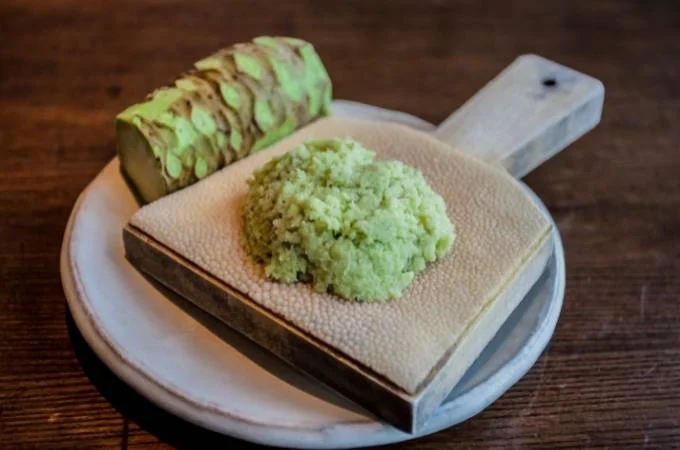
In restaurants that use real wasabi, preparation is both art and science. The fresh wasabi rhizome is scrubbed clean and grated using a traditional sharkskin grater called an *oroshi*. This method releases the plant’s subtle, complex flavors, which peak within 5 to 15 minutes before fading. Chefs often prepare it fresh per customer or dish, not in bulk, as oxidation quickly dulls its signature balance of heat and sweetness. This precision reflects the broader Japanese culinary philosophy: minimalism, freshness, and respect for ingredients.
3. Substitutes vs. Real Wasabi in Modern Kitchens
Due to the high cost and perishability of authentic wasabi, many restaurants—even in Japan—rely on powdered or paste substitutes. These are easier to store and deliver a strong kick, even if less refined. However, high-end omakase restaurants and sushi bars, particularly in Tokyo and Kyoto, still maintain tradition. Chef Hiroshi Kuroda, featured on a 2023 NHK documentary, sources his wasabi from Shizuoka and personally grates it for each sushi course. The difference is noticeable in flavor and texture—a smoother, less sinus-burning heat.
4. Freshness Matters: How Grating Techniques Affect Flavor
The grating method plays a crucial role. A circular motion on the sharkskin grater helps form a smooth, fluffy wasabi paste. Using metal or ceramic can change the consistency and slightly alter the taste. Even among chefs, there’s debate over the best timing—some swear by grating just before serving nigiri, others grate a small amount every few minutes. This obsession with timing reflects the seriousness of the question: how do Japanese restaurant make wasabi so distinct? It’s in the care, not just the ingredient.
5. Why Authentic Wasabi Remains Rare and Expensive
Real wasabi is difficult to cultivate. It needs very specific conditions—clean, cold, flowing spring water and shaded environments. Farms in Nagano, Shizuoka, and Iwate produce some of the world’s most revered wasabi, but yields are low and demand is high. As of 2025, prices for fresh wasabi in Japan average $250–$300 per kilogram. That’s why you won’t find it casually offered at every table. When a Japanese restaurant serves real wasabi, it’s a culinary statement—one of commitment to heritage and taste.
6. Where to Experience Real Wasabi Today
To taste authentic wasabi, seek out high-end sushi establishments or traditional kaiseki restaurants. Some even grow their own wasabi or partner with boutique farms. Visitors to Japan can tour farms in Azumino or Okutama to witness the cultivation process firsthand. If you’re outside Japan, consider visiting curated listings at Japanese Restaurant—a helpful resource for finding places that serve genuine ingredients and uphold time-honored techniques. Whether you’re a food lover or a chef, this is the kind of ingredient that defines true Japanese cuisine.
 YORI -sushi4.0 (406 reviews)
 Izumi3.0 (41 reviews)
 Mi & Yu Noodle Bar4.0 (313 reviews)
 Sushi With Attitude4.0 (79 reviews)
 Sandoitchi4.0 (134 reviews)
 Ohana Sushi Kendall4.0 (602 reviews)
 Exploring the Menu at A1 Japanese Restaurant
 Why Umami Japanese Restaurant Is a Must-Try Spot for Japanese Food Lovers
 The History and Flavor Behind Goshi Japanese Restaurant
 A Foodie’s Experience at Oishi Japanese Restaurant: A Culinary Delight
 Why Locals Recommend Azuma Japanese Restaurant – Authentic Dining Worth Discovering
 Why Momo Sushi is a Must-Try for Japanese Food Lovers