
- 1 - Dessert Presentation Overview - Japanese Style
- 2 - Traditional Japanese Dessert Presentation and Its Meaning
- 3 - Modern Innovations in Dessert Presentation at Japanese Restaurants
- 4 - Case Study: Experiencing Dessert Presentation at Renowned Japanese Restaurants
- 5 - Where to Find Authentic Japanese Dessert Experiences
1. Dessert Presentation Overview - Japanese Style
Japanese restaurants are renowned for their meticulous attention to detail, and this care extends beautifully into how desserts are presented. Unlike many Western dining experiences where dessert might be a quick afterthought, in Japanese cuisine, dessert presentation is a thoughtful continuation of the meal’s aesthetic and philosophy. The question “how do Japanese restaurants present dessert” invites exploration into a practice that balances tradition, art, and sensory delight.
Desserts in Japanese restaurants are often served with an emphasis on harmony, seasonality, and subtlety. The presentation aims to please not just the palate but also the eyes and the spirit, creating a moment of calm reflection after the meal. Whether it’s a small slice of matcha cake, a delicate mochi, or a bowl of seasonal fruit, the arrangement reflects cultural values and an artistic eye.
2. Traditional Japanese Dessert Presentation and Its Meaning
Historically, Japanese desserts, or “wagashi,” are deeply connected to nature and seasonal changes. These sweets are often handcrafted from ingredients like sweet azuki beans, rice flour, and seasonal fruits. Presentation in traditional Japanese restaurants usually follows the concept of wabi-sabi — appreciating beauty in imperfection and simplicity.
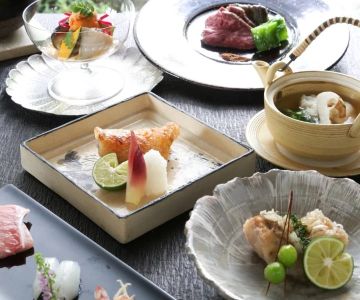
For example, a common practice is to serve desserts on handcrafted ceramic plates or lacquerware that complement the colors and textures of the food. The placement of each element is deliberate: a single flower petal, a carefully folded leaf, or a sprinkle of kinako powder can transform a simple sweet into a refined experience. This approach underscores the cultural philosophy that food should be enjoyed with all senses, respecting nature’s fleeting moments.
An illustrative story comes from a famous Kyoto tea house, where the dessert plate was always arranged according to the season—cherry blossoms in spring, maple leaves in autumn—creating a sensory link between dessert and nature that diners treasured.
3. Modern Innovations in Dessert Presentation at Japanese Restaurants
While traditional aesthetics remain influential, many Japanese restaurants today incorporate modern techniques and global influences in their dessert presentations. Contemporary chefs often combine Western pastry methods with Japanese ingredients, creating visually stunning desserts that still honor Japanese minimalism.
For instance, you might find matcha tiramisu served in transparent glass cups to highlight its layered textures or yuzu-flavored panna cotta adorned with edible gold leaf. The use of geometric plating styles, molecular gastronomy, and unexpected textures adds excitement while retaining the core principle of balance.
Such innovations cater to a global audience that appreciates both tradition and novelty. These creative dessert presentations help Japanese restaurants stand out and offer diners a memorable end to their meal. This blend of old and new reflects the dynamic spirit of Japan’s culinary scene.
4. Case Study: Experiencing Dessert Presentation at Renowned Japanese Restaurants
A recent visit to a top-tier Japanese restaurant in Tokyo revealed how dessert presentation can be a highlight of the dining experience. The dessert arrived as a “seasonal harmony” plate: a small serving of black sesame ice cream, a chestnut yokan (sweet jelly), and a delicate sakura blossom jelly. Each item was served in a unique vessel — a lacquer box, a porcelain bowl, and a glass cup — emphasizing texture and color contrast.
The chef explained that every detail, from the choice of utensils to the lighting of the dining room, was intended to enhance the enjoyment of the dessert. This case highlights the immersive experience Japanese restaurants aim to create, showing that dessert presentation is not just food plating but a cultural storytelling tool.
5. Where to Find Authentic Japanese Dessert Experiences
For those eager to explore authentic Japanese dessert presentation, visiting specialized Japanese restaurants is the best path. Our platform, Japanese Restaurant, offers curated recommendations of eateries that excel in traditional and modern dessert offerings, ensuring diners encounter authentic craftsmanship and inspiring presentations.
Whether you seek a traditional wagashi tea ceremony or a cutting-edge patisserie that reinterprets Japanese sweets, Japanese Restaurant connects you to the right places. Experiencing desserts here is not only a treat for the taste buds but a journey through Japan’s rich culinary culture.
 Oyama Japanese And Thai4.0 (270 reviews)
 Wasabi Bistro4.0 (708 reviews)
 Cafe Yoto4.0 (86 reviews)
 Ichiza 2 Hanare Japanese Resaurant - All Private Dining Room -4.0 (132 reviews)
 Sumo Hibachi4.0 (80 reviews)
 Epoch Asian Fusion4.0 (143 reviews)
 Why Locals Recommend Japanese Sushi Restaurants: Discover the Secrets Behind the Popularity
 A Foodie’s Experience at Bozu Japanese Restaurant
 How to Say "Run a Restaurant" in Japanese: A Complete Guide for Restaurant Owners
 Exploring the Menu at Taki Japanese Restaurant Dunwoody: A Culinary Journey
 Exploring the Menu at Japanese Restaurant in Atlanta
 Why Locals Recommend Tachibana Japanese Restaurant: A Taste of Authenticity