
- what-makes-japanese-wagyu-so-special
- 1-how-many-restaurants-have-japanese-wagyu-globally
- 2-why-its-so-rare-and-why-that-matters
- 3-what-to-look-for-on-the-menu
- 4-authentic-vs-fake-wagyu-dining-smarts
- 5-where-to-experience-it-right
What Makes Japanese Wagyu So Special?
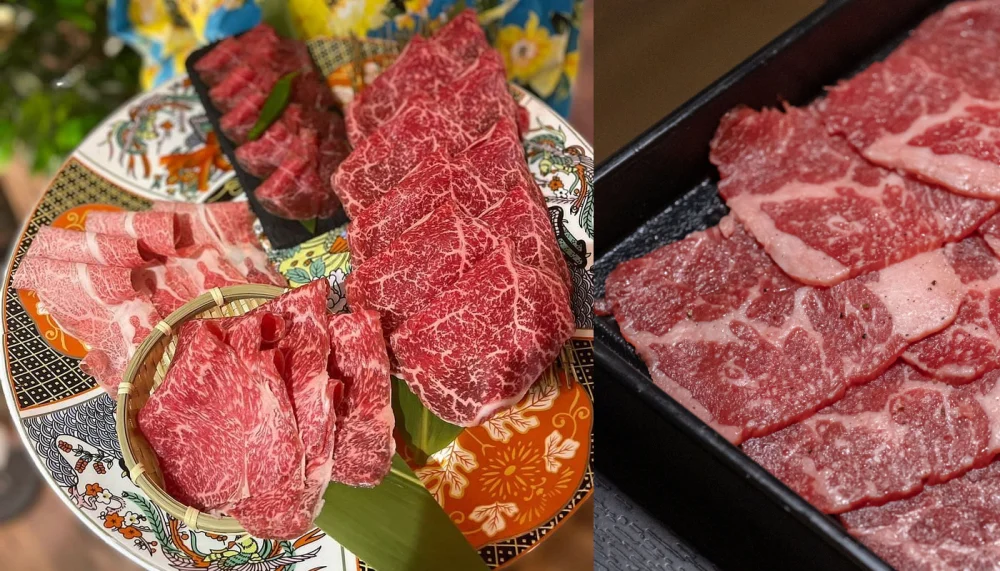
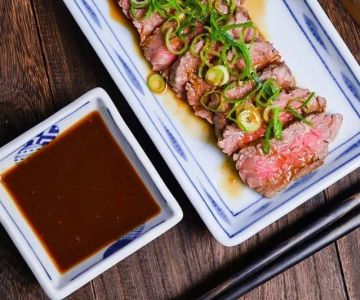
Before we answer how many restaurants have Japanese Wagyu, it’s important to understand what makes this meat so coveted. Japanese Wagyu beef is known for its rich marbling, delicate texture, and buttery flavor. It comes from specific Japanese cattle breeds—like Kuroge Washu—that are raised under strict conditions. True Wagyu must also be graded by the Japanese Meat Grading Association. This high quality makes it not only delicious but also rare on restaurant menus.
1. How Many Restaurants Have Japanese Wagyu Globally?
1.1 Limited But Growing Availability
Although exact numbers fluctuate due to import regulations and supplier relationships, it’s estimated that fewer than 1,000 restaurants worldwide offer certified Japanese Wagyu. In the U.S., for example, only a few hundred high-end steakhouses and Japanese restaurants serve real Wagyu beef imported directly from Japan.
1.2 Urban Centers Dominate the Market
Major cities like New York, Los Angeles, London, and Tokyo lead in offering authentic Japanese Wagyu on restaurant menus. Smaller towns or rural areas are much less likely to feature it due to cost, sourcing challenges, and lack of customer demand.
2. Why It’s So Rare—and Why That Matters
2.1 Limited Export Quotas
Japan exports only a small portion of its Wagyu production. Strict regulations, including health and breeding records, limit supply. That’s why many restaurants label beef as “Wagyu-style” or “American Wagyu,” which are not the same as Japanese Wagyu.
2.2 Higher Prices, Smaller Portions
A 3 oz serving of true Wagyu can cost as much as a full steak elsewhere. Restaurants that do offer it often serve it in tasting menus or à la carte specialty items. It's a luxury product, not something you'll find in chain diners or casual eateries.
3. What to Look For on the Menu
3.1 Authenticity Markers
When scanning a restaurant’s menu, look for terms like “A5 Japanese Wagyu,” “Kagoshima,” or “Miyazaki,” all of which refer to specific grades and origins. Menus that include the region, grade, and sometimes the cattle breed are more likely to be authentic.
3.2 Ask the Right Questions
If in doubt, ask your server where the beef was sourced. Reputable restaurants will be happy to explain their Wagyu offering. Some even show certification documents or grading certificates from Japan.
4. Authentic vs. Fake Wagyu: Dining Smarts
4.1 The Rise of "Wagyu-Inspired" Dishes
Due to the fame of Wagyu, many restaurants use misleading labels. “Wagyu-style” beef might come from mixed breeds raised outside Japan, which can still be good—but it’s not the same. Authentic Japanese Wagyu must be traceable to its Japanese origin.
4.2 Don't Be Fooled by Buzzwords
If the menu says “Wagyu burger” for $15, it’s likely not the real deal. Japanese Wagyu is rarely ground, and certainly not served at fast-food prices. Being informed helps you spot authentic experiences and avoid marketing gimmicks.
5. Where to Experience It Right
5.1 Curated Japanese Dining
Your best bet to experience authentic Wagyu is at a specialized Japanese restaurant. Culinary destinations like the Japanese Restaurant network are ideal for finding trusted spots that serve certified Wagyu. These establishments usually take pride in presentation, sourcing, and service—making your dining experience memorable.
5.2 A Story Behind Every Cut
Some restaurants go the extra mile, offering stories about the farm, the cow’s lineage, and how it was raised. That level of detail shows respect for the product—and the customer.
 BAKU4.0 (721 reviews)
 Kinme4.0 (189 reviews)
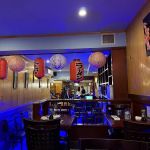 Yuki Japanese Restaurant3.0 (333 reviews)
 Super Sushi4.0 (701 reviews)
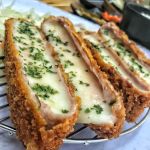 Katsumura4.0 (195 reviews)
 Muracci's4.0 (361 reviews)
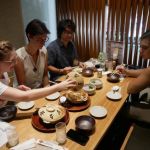 A Foodie’s Experience at Nagoya Japanese Restaurant – A Journey Through Authentic Flavors
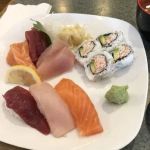 Signature Sushi and Ramen at Haru Ichiban Japanese Restaurant – Best Japanese Dining Experience
 An Insider’s Review of Nikko Japanese Restaurant: What You Need to Know
 Exploring the Menu at Akasaka Sushi Korean Japanese Restaurant
 Why Locals Recommend Aki Japanese Restaurant
 An Insider’s Review of Yuki Japanese Restaurant: A Taste of Authentic Japanese Cuisine