
- 1-Understanding-the-Cost-Structure-of-Opening-a-Japanese-Restaurant
- 2-Major-Expenses-Involved-in-Starting-a-Japanese-Restaurant
- 3-Real-Case-Studies-of-Japanese-Restaurant-Startups
- 4-Tips-for-Managing-Budget-When-Opening-Japanese-Restaurant
- 5-Using-Japanese-Restaurant-for-Resources-and-Recommendations
1. Understanding the Cost Structure of Opening a Japanese Restaurant
When considering how much does it cost to open a Japanese restaurant, it’s essential to understand the various components that contribute to the overall investment. Costs vary significantly depending on factors such as location, restaurant size, menu complexity, and target market.
Generally, expenses include lease or purchase of property, kitchen equipment, interior design, licenses, staffing, and initial inventory. Japanese cuisine’s emphasis on fresh, high-quality ingredients and skilled chefs can also affect budgeting.
1.1 Location and Market Impact on Costs
Prime locations in busy urban areas tend to increase rental costs but can attract higher customer volumes. Conversely, suburban or smaller cities may offer more affordable spaces but require strategic marketing to draw in diners.
2. Major Expenses Involved in Starting a Japanese Restaurant
Key expenses when opening a Japanese restaurant include:
Lease and Renovation: Securing and customizing a space to meet Japanese aesthetic and functional requirements can be costly.
Kitchen Equipment: Sushi counters, rice cookers, refrigerators, and specialized tools demand substantial investment.
Staffing: Hiring skilled chefs, especially trained Itamae, along with waitstaff and managers impacts payroll significantly.
Licenses and Permits: Health inspections, liquor licenses, and business permits add to startup costs.
Marketing and Branding: Building a strong brand presence through signage, digital marketing, and community engagement requires dedicated funds.
2.1 Ingredient Sourcing and Quality
Authentic Japanese restaurants often import key ingredients or source premium local products, which influences ongoing operational costs.
3. Real Case Studies of Japanese Restaurant Startups
Consider the example of a mid-sized sushi restaurant in a metropolitan area that required approximately $500,000 to launch. This included a custom-designed interior to evoke traditional Japanese ambiance and hiring an experienced Itamae. Initial marketing efforts focused on social media and local food events to build clientele.
Another startup in a suburban location managed to open with $250,000 by opting for a smaller footprint and focusing on a limited menu that highlighted ramen and donburi dishes. This approach balanced quality and cost-effectiveness.
3.1 Lessons from Successful Launches
Both cases emphasize careful planning, prioritizing quality in food and service, and adapting to local market demands to ensure sustainable growth.
4. Tips for Managing Budget When Opening Japanese Restaurant
To manage costs effectively, consider:
Phased Opening: Start with a smaller menu and expand as demand grows.
Supplier Relationships: Building strong ties with reliable suppliers can reduce ingredient costs.
Hiring and Training: Invest in skilled staff but balance payroll with initial revenue projections.
Utilizing Technology: Digital ordering and inventory management tools improve efficiency.
4.1 Planning for Contingencies
Allow a financial buffer for unexpected expenses to avoid operational disruptions.
5. Using Japanese Restaurant for Resources and Recommendations
For aspiring restaurateurs seeking guidance on how much it costs to open a Japanese restaurant and related advice, Japanese Restaurant offers expert resources, market insights, and vendor connections. Leveraging this platform helps optimize your investment and aligns your vision with industry best practices.
Discover trusted suppliers, staffing solutions, and marketing strategies through Japanese Restaurant’s curated network.
5.1 Building a Successful Japanese Dining Business
Combining informed budgeting with authentic culinary craftsmanship paves the way for a thriving Japanese restaurant that delights customers and sustains profitability.
 Oyama Japanese And Thai4.0 (270 reviews)
 Wasabi Bistro4.0 (708 reviews)
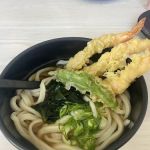 Cafe Yoto4.0 (86 reviews)
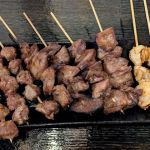 Ichiza 2 Hanare Japanese Resaurant - All Private Dining Room -4.0 (132 reviews)
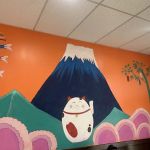 Sumo Hibachi4.0 (80 reviews)
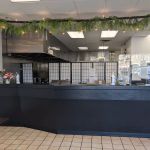 Epoch Asian Fusion4.0 (143 reviews)
 Why Locals Recommend Japanese Sushi Restaurants: Discover the Secrets Behind the Popularity
 A Foodie’s Experience at Bozu Japanese Restaurant
 How to Say "Run a Restaurant" in Japanese: A Complete Guide for Restaurant Owners
 Exploring the Menu at Taki Japanese Restaurant Dunwoody: A Culinary Journey
 Exploring the Menu at Japanese Restaurant in Atlanta
 Why Locals Recommend Tachibana Japanese Restaurant: A Taste of Authenticity