
- 1-understanding-the-real-cost-of-opening-a-japanese-restaurant
- 2-location-size-and-design-impact-budget-significantly
- 3-equipment-and-kitchen-costs-what-youll-need
- 4-licensing-staffing-and-operational-expenses
- 5-menu-concept-will-affect-your-startup-budget
- 6-case-study-a-toronto-sushi-bistros-first-year
- 7-making-smart-decisions-from-the-start
1. Understanding the Real Cost of Opening a Japanese Restaurant
If you’ve ever dreamed of running your own sushi bar or ramen house, one of your first questions is probably: how much does it cost to open a Japanese restaurant? The answer isn’t simple. In North America—especially cities like Vancouver, New York, or Los Angeles—the average startup cost ranges from $250,000 to $700,000 depending on your concept, location, and ambitions. Smaller izakaya-style spaces or takeout counters might launch for as low as $150,000, while high-end omakase spots can soar past $1 million.
It’s important to break down the investment into categories, each of which carries different weight depending on your goals. Let’s walk through each area of spending so you can start planning realistically—and wisely.
2. Location, Size, and Design Impact Budget Significantly
Your biggest upfront cost is likely to be real estate. A small leased space in a suburban plaza may cost $2,000–$5,000 per month. In contrast, a 2,000-square-foot venue in a downtown core could run $10,000+ monthly in rent alone.
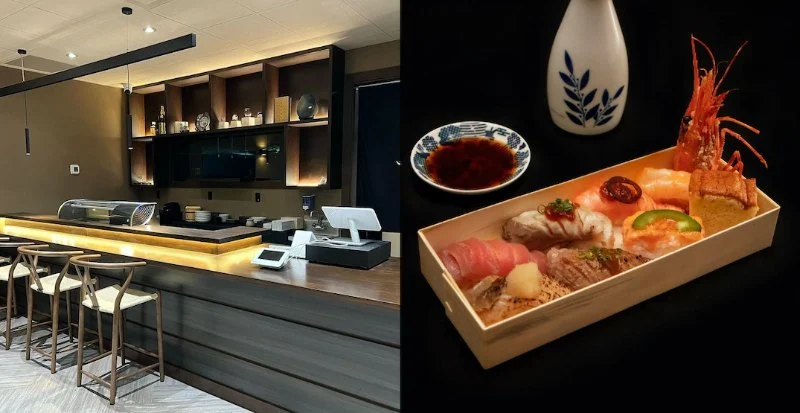
Renovation and interior design costs can also add up quickly, especially if you're creating a traditional Japanese atmosphere with natural wood finishes, tatami seating, or imported decor. Expect to spend at least $50,000 to $200,000 on remodeling and furnishings, depending on your desired vibe. Ambience plays a huge role in the success of Japanese restaurants—it’s often about the full sensory experience, not just the food.
3. Equipment and Kitchen Costs: What You’ll Need
A Japanese kitchen requires more than a stovetop and a fridge. Sushi bars need refrigerated prep stations, high-quality rice cookers, sharp knives, and specialty tools like sushi cases, steamers, and noodle boilers. These pieces don’t come cheap.
Expect to spend $60,000–$100,000 on commercial-grade kitchen equipment if starting from scratch. This includes refrigeration, ventilation systems, prep surfaces, dishwashers, and food safety essentials. Buying used equipment can cut costs, but warranties and performance are sometimes a risk.
4. Licensing, Staffing, and Operational Expenses
Before you serve your first spicy tuna roll, you’ll need permits and inspections—food handler licenses, liquor licenses (if applicable), fire safety clearance, and local business registrations. Depending on your region, the total can range from $5,000 to $25,000.
Staffing is another substantial ongoing cost. Hiring skilled sushi chefs or ramen cooks can be expensive, often commanding salaries of $50,000–$90,000 or more annually. Front-of-house staff, dishwashers, and general managers also need to be factored into your labor budget. Payroll, benefits, and training will likely make up 25–40% of your operating expenses.
5. Menu Concept Will Affect Your Startup Budget
Will your menu focus on sushi? Ramen? Tempura and teishoku sets? Your concept will greatly influence how much you need to spend on sourcing ingredients and training staff. A full-service sushi omakase experience requires higher-end fish and more advanced culinary skill, whereas a casual donburi or bento shop might rely more on affordable, scalable items.
Ingredient sourcing is critical. Many Japanese restaurants import specialty items—miso paste, katsuobushi, or sake—adding to your monthly supply budget. Initial food inventory might cost $10,000–$20,000 depending on your scale. But margins can still be excellent with thoughtful pricing and waste management.
6. Case Study: A Toronto Sushi Bistro’s First Year
In 2022, two cousins opened a 28-seat sushi bistro in Toronto’s Queen West neighborhood. Their startup budget was $320,000—$95,000 for leasehold improvements, $85,000 on kitchen and bar equipment, and $60,000 for initial staffing and marketing. Their focus was fresh daily maki and small sake pairings, with mid-range pricing and no elaborate dining theatrics.
They hit profitability after 14 months thanks to steady lunch traffic, smart supplier deals, and social media-driven marketing. Their biggest regret? Underestimating winter slowdowns and the need for strong delivery packaging. But by year two, they’d already expanded their kitchen and were planning a second location.
7. Making Smart Decisions From the Start
Opening a Japanese restaurant is as much about discipline as it is about passion. You don’t need to overspend on every detail—but you do need to budget wisely, hire talent strategically, and adjust your vision to fit your market. A clear brand identity, thoughtful menu design, and strong operational plan can make or break your business within the first 18 months.
If you're planning to dive in, Japanese Restaurant offers resources, vetted supplier links, and real-world guides to help you get started. From concept planning to kitchen layout advice, we help aspiring restaurateurs build something that’s not only authentic—but also profitable.
 J&P Asian Fusion4.0 (838 reviews)
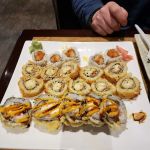 Sen Sushi and Hibachi Grill4.0 (144 reviews)
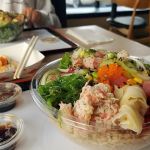 Poki Maki by Mr.74.0 (137 reviews)
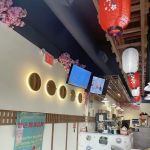 Hi Sushi4.0 (35 reviews)
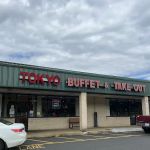 Tokyo Restaurant4.0 (593 reviews)
 Kobe Sushi & Hibachi Steakhouse4.0 (216 reviews)
 Do Restaurants Offer Japanese Breakfast in the U.S.?
 A Foodie’s Experience at Bozu Japanese Restaurant
 An Insider’s Review of Japanese Restaurant Chicago | Authentic Dining Experience
 Why Gyotaku Japanese Restaurant is a Must-Try Spot for Japanese Food Lovers
 Insider’s Review of Hana Japanese Restaurant: An Authentic Dining Experience
 Why Hatsuhana Japanese Restaurant Is a Must-Try Spot for Japanese Food Lovers