
- 1-Respectful-Greeting-and-Seating
- 2-Ordering-Etiquette-and-Interactions-with-Staff
- 3-Table-Manners-and-Eating-Behaviors
- 4-Paying-and-Leaving-the-Restaurant
- 5-Personal-Stories-and-Cultural-Insights
- 6-Further-Resources-for-Japanese-Dining-Etiquette
1. Respectful Greeting and Seating
When entering a Japanese restaurant, the first impression is important. A polite bow or nod is customary when greeted by the staff, who will typically say “Irasshaimase”, meaning “welcome.” Responding with a smile and a slight bow shows respect and appreciation.
Wait to be seated rather than choosing your own spot, as seating is often arranged thoughtfully by the host based on group size and preferences.
2. Ordering Etiquette and Interactions with Staff
When ordering, use polite language and be patient. It is common to say “Onegaishimasu” (please) when requesting dishes. If you are unfamiliar with the menu, don’t hesitate to ask the staff for recommendations—they often appreciate the opportunity to share their knowledge.
Avoid loud conversations or gestures, as Japanese dining environments value quiet and calm atmospheres.
3. Table Manners and Eating Behaviors
There are several key manners to observe while eating:
- Use chopsticks properly—do not stick them upright in rice or pass food directly from one set of chopsticks to another, as these resemble funeral customs.
- Try to finish all the food served to you, as wasting food is considered disrespectful.
- It is polite to say “Itadakimasu” before starting your meal and “Gochisousama deshita” after finishing, expressing gratitude for the food.
Also, slurping noodles is acceptable and shows appreciation for the dish.
4. Paying and Leaving the Restaurant
When paying, it is customary to bring the bill to the cashier area rather than paying at the table. Tipping is generally not practiced in Japan and may even cause confusion.
As you leave, thank the staff with a bow and phrases like “Arigatou gozaimashita” (thank you very much), which is warmly received.
5. Personal Stories and Cultural Insights
A traveler once shared how following proper how to act in a Japanese restaurant etiquette transformed their experience from awkward to deeply rewarding. By respecting customs and engaging politely with staff, they felt welcomed and gained greater appreciation for Japanese culture.
Such stories underscore the value of understanding dining etiquette when exploring new cultures.
6. Further Resources for Japanese Dining Etiquette
For those interested in mastering Japanese dining manners, Japanese Restaurant offers comprehensive guides and expert advice. These resources help you navigate cultural nuances confidently, ensuring respectful and enjoyable meals every time.
Embracing these etiquette tips allows you to fully immerse yourself in the authentic Japanese dining experience.
 Oyama Japanese And Thai4.0 (270 reviews)
 Wasabi Bistro4.0 (708 reviews)
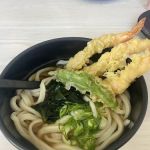 Cafe Yoto4.0 (86 reviews)
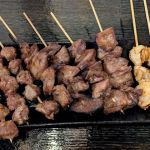 Ichiza 2 Hanare Japanese Resaurant - All Private Dining Room -4.0 (132 reviews)
 Sumo Hibachi4.0 (80 reviews)
 Epoch Asian Fusion4.0 (143 reviews)
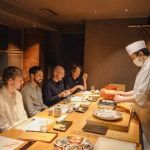 Why Locals Recommend Japanese Sushi Restaurants: Discover the Secrets Behind the Popularity
 A Foodie’s Experience at Bozu Japanese Restaurant
 How to Say "Run a Restaurant" in Japanese: A Complete Guide for Restaurant Owners
 Exploring the Menu at Taki Japanese Restaurant Dunwoody: A Culinary Journey
 Exploring the Menu at Japanese Restaurant in Atlanta
 Why Locals Recommend Tachibana Japanese Restaurant: A Taste of Authenticity