
1. Understanding Japanese Restaurant Etiquette
When visiting a Japanese restaurant, knowing how to act appropriately is essential to fully appreciate the culture and avoid misunderstandings. Japanese dining etiquette is deeply rooted in respect, politeness, and mindfulness, reflecting the broader values of Japanese society. Understanding these customs can enhance your dining experience and show appreciation for the traditions behind the cuisine.
1.1 The Importance of Respect and Politeness
Respect is the foundation of Japanese restaurant etiquette. This respect manifests in various behaviors — from the way you greet the staff to how you handle utensils and interact with fellow diners. Simple gestures, like saying "itadakimasu" before eating and "gochisousama" after finishing, express gratitude and humility, enriching the dining atmosphere.
1.2 Seating and Interaction Protocols
In traditional Japanese restaurants, seating arrangements may have specific rules, especially in tatami rooms. Guests are often seated according to seniority or social hierarchy. It is polite to wait for the host or the eldest person to begin eating before you start, demonstrating awareness and respect.
2. Key Behaviors When Dining in Japanese Restaurants
Mastering certain behaviors will ensure a smooth and enjoyable visit to any Japanese restaurant. These actions show cultural sensitivity and respect for the dining tradition.
2.1 Proper Use of Chopsticks
Handling chopsticks correctly is one of the most important aspects of Japanese dining etiquette. Avoid actions such as sticking chopsticks upright into rice, as it resembles a funeral ritual. Passing food directly from chopsticks to chopsticks is also frowned upon. Instead, rest chopsticks on the provided holder when not in use and hold them gently.
2.2 Ordering and Eating Tips
When ordering, it is courteous to ask questions politely if you are unsure about a dish. Once served, eat at a moderate pace and try to finish all the food on your plate, as leaving leftovers may be seen as wasteful. For dishes like sushi or sashimi, it is acceptable to dip fish lightly in soy sauce rather than the rice to preserve flavor and texture.
2.3 Engaging with the Staff
Japanese restaurant staff take pride in their service, and showing appreciation goes a long way. Use polite expressions such as "sumimasen" to get attention or to apologize for minor mistakes. A simple bow or smile conveys respect and gratitude effectively.
3. Common Mistakes to Avoid in Japanese Restaurants
Being aware of common faux pas can help you avoid awkward situations and ensure your dining experience is pleasant for everyone involved.
3.1 Avoid Loud Talking and Phone Use
Japanese restaurants generally encourage a calm and quiet atmosphere. Speaking loudly or answering phone calls at the table is considered rude and disruptive. It is best to keep your voice low and phones silent or off during the meal.
3.2 Respecting Shared Dishes
If sharing dishes with others, use the opposite end of your chopsticks or serving utensils provided to take food from communal plates. This practice maintains hygiene and respects others at the table.
3.3 Don’t Pour Your Own Drink
In many Japanese dining situations, it is customary to pour drinks for others rather than yourself. Keep an eye on your companions’ glasses and offer to pour when appropriate. This social ritual strengthens bonds and shows attentiveness.
4. Real-Life Experiences and Cultural Insights
Many visitors to Japanese restaurants share stories of initial uncertainty but great appreciation once they understand the customs. For example, a traveler once recounted feeling nervous about using chopsticks correctly in a Tokyo sushi bar. After observing nearby diners and a kind chef’s subtle guidance, they gained confidence and left with a memorable experience.
Such moments highlight how etiquette is not just a set of rules but a pathway to connection and respect. Being mindful of these behaviors invites warmth and openness from staff and locals alike, making your visit to a Japanese restaurant not only enjoyable but culturally enriching.
5. How to Find Trusted Japanese Restaurants
For those interested in exploring authentic Japanese dining, visiting platforms like Japanese Restaurant can provide trusted recommendations. These resources offer detailed reviews and curated lists of restaurants that prioritize both culinary excellence and cultural authenticity, helping diners find places where they can comfortably practice proper etiquette while enjoying outstanding food.
 Oyama Japanese And Thai4.0 (270 reviews)
 Wasabi Bistro4.0 (708 reviews)
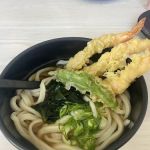 Cafe Yoto4.0 (86 reviews)
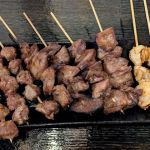 Ichiza 2 Hanare Japanese Resaurant - All Private Dining Room -4.0 (132 reviews)
 Sumo Hibachi4.0 (80 reviews)
 Epoch Asian Fusion4.0 (143 reviews)
 Why Locals Recommend Japanese Sushi Restaurants: Discover the Secrets Behind the Popularity
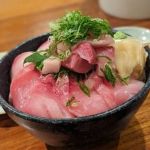 A Foodie’s Experience at Bozu Japanese Restaurant
 How to Say "Run a Restaurant" in Japanese: A Complete Guide for Restaurant Owners
 Exploring the Menu at Taki Japanese Restaurant Dunwoody: A Culinary Journey
 Exploring the Menu at Japanese Restaurant in Atlanta
 Why Locals Recommend Tachibana Japanese Restaurant: A Taste of Authenticity