
- 1-Understanding-Japanese-Restaurant-Etiquette
- 2-Why-Asking-for-the-Bill-Is-Different-in-Japan
- 3-Exact-Phrases-to-Ask-for-the-Bill-in-Japanese
- 4-Gesture-or-Language-Which-Is-Better
- 5-Real-Case-From-a-Tourist-in-Tokyo
- 6-Cultural-Dos-and-Donts
- 7-Using-Technology-to-Help-with-Payment
- 8-Where-Japanese-Restaurant-Can-Guide-You-Better
1. Understanding Japanese Restaurant Etiquette
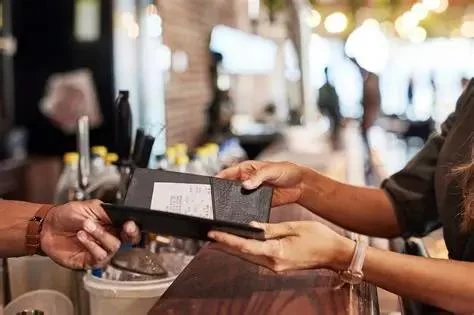
Japanese dining culture is deeply rooted in politeness and subtlety. From how you enter a restaurant to how you thank the chef, etiquette matters. Unlike in many Western countries, it's uncommon to signal the end of a meal with a loud call for the check. Instead, the expectation is discretion and respect. Knowing how to ask for the bill in a Japanese restaurant involves more than translation—it’s about cultural awareness.
2. Why Asking for the Bill Is Different in Japan
In Japan, drawing unnecessary attention—especially in public spaces—is often considered impolite. This reflects in dining as well. Most servers won’t interrupt your meal or bring a bill until you signal readiness. Sometimes, they’ll leave a small tray discreetly at your table during the meal, but even then, payment is not expected until you're completely done. The customer is in charge of indicating when to pay, and it’s usually done quietly.
3. Exact Phrases to Ask for the Bill in Japanese
There are a few polite and effective ways to ask for the bill:
1. お会計お願いします (O-kaikei onegaishimasu) – The most standard and respectful way. It means, "Check, please."
2. お勘定ください (O-kanjō kudasai) – Slightly more formal, often used in traditional restaurants.
3. レジはどこですか? (Reji wa doko desu ka?) – “Where is the register?” Useful in self-service or casual eateries.
Say these phrases politely with a slight bow or smile, and you’ll be met with appreciation for your effort.
4. Gesture or Language – Which Is Better?
If you’re unsure of pronunciation, a simple hand gesture can help—like raising one hand or lightly miming writing in the air. But don’t shout or wave. Japanese servers are observant and will approach you quickly once they notice a polite gesture. Still, using the actual phrase adds warmth and cultural respect. Even a slightly mispronounced “O-kaikei onegaishimasu” goes a long way in showing effort and interest.
5. Real Case From a Tourist in Tokyo
Sam, an American traveler in Tokyo, shared that during his first visit to an izakaya (Japanese pub), he waited nearly 20 minutes after finishing his meal without receiving the bill. He later learned that in Japan, servers don’t bring the check unless asked. On his next visit, he simply said “O-kaikei onegaishimasu” with a nod, and the bill arrived instantly with a warm smile. That small phrase changed his entire dining experience.
6. Cultural Dos and Don’ts
Do: Say thank you (ごちそうさまでした, gochisousama deshita) after your meal—this shows appreciation.
Don’t: Snap fingers, raise your voice, or assume tipping is expected. Tipping is not part of Japanese culture and can even confuse the staff.
Do: Look for a register counter near the exit. Many restaurants expect guests to bring their payment slip there instead of paying at the table.
7. Using Technology to Help with Payment
Many Japanese restaurants now have tablets or call buttons for service requests—including asking for the bill. These are common in sushi conveyor belt restaurants and ramen shops. Some places even offer QR code scanning and e-pay systems. If you’re traveling without Japanese language skills, use a phone translation app to find and press the correct button. Many devices display both Japanese and English now.
8. Where Japanese Restaurant Can Guide You Better
If you’re planning a trip or simply curious about authentic Japanese dining, Japanese Restaurant provides not just access to great food, but tips on etiquette, common phrases, and cultural practices to make your experience more immersive. From understanding how to ask for the bill politely to choosing the right dishes for a first-timer, it’s a resource trusted by food lovers and travelers alike.
 East Sushi Bistro4.0 (299 reviews)
 Poke Hana4.0 (395 reviews)
 Waraji Japanese Restaurant4.0 (1857 reviews)
 Oishii Asian Fusion Cuisine4.0 (400 reviews)
 Kaiyo Sushi4.0 (135 reviews)
 Seven Faced Bird Ramen4.0 (19 reviews)
 What Makes Nagomi Japanese Restaurant Stand Out Among Other Japanese Restaurants
 What Can You Eat at a Japanese Restaurant on Keto?
 What Is Yuzu Japanese Restaurant Ingredient? A Flavorful Introduction
 Why Midori Japanese Restaurant Is a Must-Try Spot for Japanese Food Lovers
 Why Locals Recommend Izumi Japanese Restaurant
 Why Locals Recommend Hanaoka Japanese Restaurant: Top Reasons to Visit