
- 1- Introduction to the Paleo Diet
- 2- What to Expect When Eating Paleo at a Japanese Restaurant
- 3- Best Paleo-Friendly Options at a Japanese Restaurant
- 4- Tips for Modifying Japanese Dishes to Fit the Paleo Diet
- 5- Common Pitfalls and How to Avoid Them
- 6- Conclusion: Enjoying Japanese Cuisine on a Paleo Diet
1- Introduction to the Paleo Diet
The Paleo diet, also known as the “Caveman Diet,” is based on the idea of eating foods that our ancient ancestors would have consumed. This includes lean meats, fish, fruits, vegetables, nuts, and seeds, while eliminating processed foods, grains, legumes, and dairy. Many people have adopted the Paleo diet for its potential health benefits, including weight loss, improved digestion, and better energy levels.
But how do you stick to the Paleo diet when dining out, especially at a restaurant known for its traditional offerings like Japanese cuisine? With the right knowledge, it’s possible to enjoy a delicious meal while staying true to your Paleo lifestyle.
2- What to Expect When Eating Paleo at a Japanese Restaurant
Japanese cuisine is known for its emphasis on fresh ingredients, simple preparation methods, and a balanced approach to nutrition. However, it also includes foods like rice, noodles, soy products, and various sauces that don’t fit within the Paleo guidelines.
When eating at a Japanese restaurant, it’s essential to be aware of certain ingredients that should be avoided, such as rice, wheat-based products (like soy sauce and noodles), and certain processed sauces. But there are also plenty of Paleo-friendly options available that will allow you to enjoy the unique flavors of Japanese food without compromising your diet.
3- Best Paleo-Friendly Options at a Japanese Restaurant
Despite some non-Paleo ingredients in Japanese cuisine, there are several options that can easily fit within your Paleo diet:
1. Sashimi
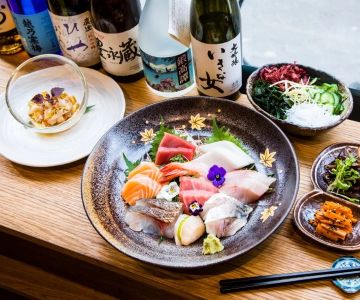
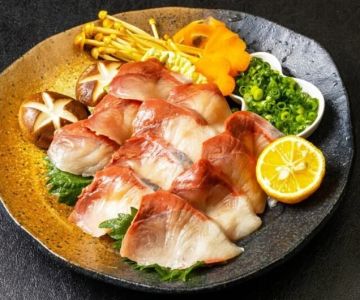
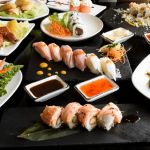
Sashimi is simply thinly sliced raw fish or seafood and is one of the most natural Paleo-friendly options at a Japanese restaurant. Popular choices include salmon, tuna, and mackerel, which are packed with healthy omega-3 fatty acids.
2. Grilled Fish (Yakizakana)
Grilled fish, known as Yakizakana, is another excellent choice for those on a Paleo diet. Choose options like mackerel, cod, or salmon, which are often served with a light seasoning of salt or a simple lemon garnish.
3. Meat or Seafood Skewers (Kushiyaki)
Many Japanese restaurants offer skewered meats and seafood, called Kushiyaki. Look for grilled chicken, beef, shrimp, or other seafood, but be sure to request that they omit any sauces or marinades that may contain soy or sugar.
4. Seaweed Salad
Seaweed salad is a refreshing Paleo-friendly appetizer, packed with nutrients and low in calories. However, make sure to check the ingredients for any hidden non-Paleo dressings or additives.
5. Tempura (Modified Option)
Tempura, which is typically deep-fried in a batter, is not Paleo-friendly. However, you can modify this dish by asking for grilled or lightly sautéed seafood or vegetables in place of the fried version.
4- Tips for Modifying Japanese Dishes to Fit the Paleo Diet
While many traditional Japanese dishes contain ingredients that are not Paleo-friendly, there are several ways to modify your order to make it work:
1. Ask for No Rice or Noodles
Rice and noodles are staples of many Japanese dishes, but they are not part of the Paleo diet. You can request to have your dish served without rice or noodles, and instead ask for extra vegetables or sashimi.
2. Choose Grilled or Steamed Over Fried
Fried foods like tempura are off-limits on a Paleo diet, but many Japanese restaurants offer grilled or steamed options that are just as delicious. Opt for grilled meats and fish, and ask for minimal seasoning or sauces to keep it Paleo-friendly.
3. Swap Soy Sauce for Tamari or Coconut Aminos
Most soy sauces contain gluten, which is not allowed on the Paleo diet. You can request tamari (which is gluten-free) or coconut aminos as an alternative for dipping sauces or dressings.
5- Common Pitfalls and How to Avoid Them
While dining at a Japanese restaurant can be relatively easy on a Paleo diet, there are some common pitfalls to watch out for:
1. Hidden Sugar in Sauces and Dressings
Many Japanese dishes, especially those that are grilled or marinated, may contain sauces with added sugar. Always ask about the ingredients of sauces and opt for a simple seasoning like salt, pepper, or lemon juice instead.
2. Cross-Contamination
Cross-contamination can happen in the kitchen, especially if shared equipment is used for both gluten-containing and gluten-free foods. Make sure to mention your dietary restrictions to the restaurant staff to minimize this risk.
3. Processed Ingredients in Sushi Rolls
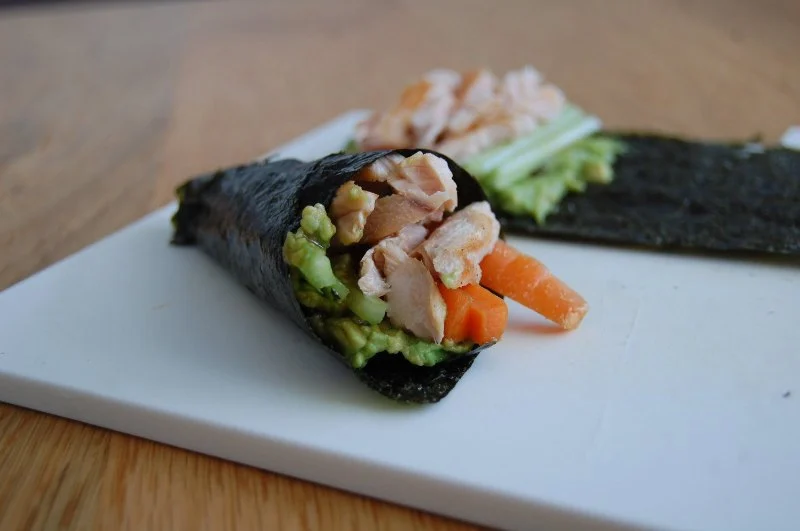
Sushi rolls often contain rice, fried ingredients, and mayonnaise-based sauces that do not fit within the Paleo guidelines. Stick to sashimi or ask for simple rolls that contain only fish, vegetables, and seaweed.
6- Conclusion: Enjoying Japanese Cuisine on a Paleo Diet
Eating Paleo at a Japanese restaurant is entirely possible with a little planning and knowledge. Focus on whole, fresh ingredients like fish, seafood, vegetables, and fruits, and avoid processed grains, sugars, and dairy. By modifying certain dishes and being mindful of hidden ingredients, you can enjoy the unique flavors of Japanese cuisine while sticking to your Paleo diet.
For more information on Paleo dining options, tips, and products, visit Japanese Restaurant for expert advice and resources.
 Ramen Tatsu-Ya4.0 (2425 reviews)
 Sukiya Ramen & Poke4.0 (130 reviews)
 TERI-GO Teriyaki3.0 (72 reviews)
 Kizuki Ramen & Izakaya4.0 (1993 reviews)
 TORA NYC4.0 (135 reviews)
 Hissho Sushi3.0 (252 reviews)
 How to Say "Restaurants" in Japanese – A Beginner's Guide
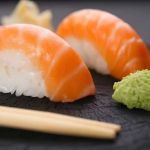 Best Dishes You Should Order at Wasabi Japanese Restaurant
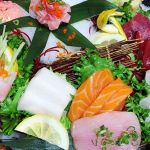 Why Yellowtail Japanese Restaurant & Lounge Menu Is a Must-Try Spot for Japanese Food Lovers
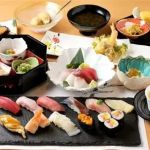 Signature Sushi and Ramen at Nagoya Japanese Restaurant
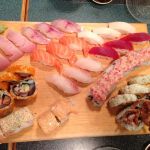 Why Fujiyama Japanese Restaurant Is a Must-Try Spot for Japanese Food Lovers
 What Food Is Served at a Japanese Restaurant?