
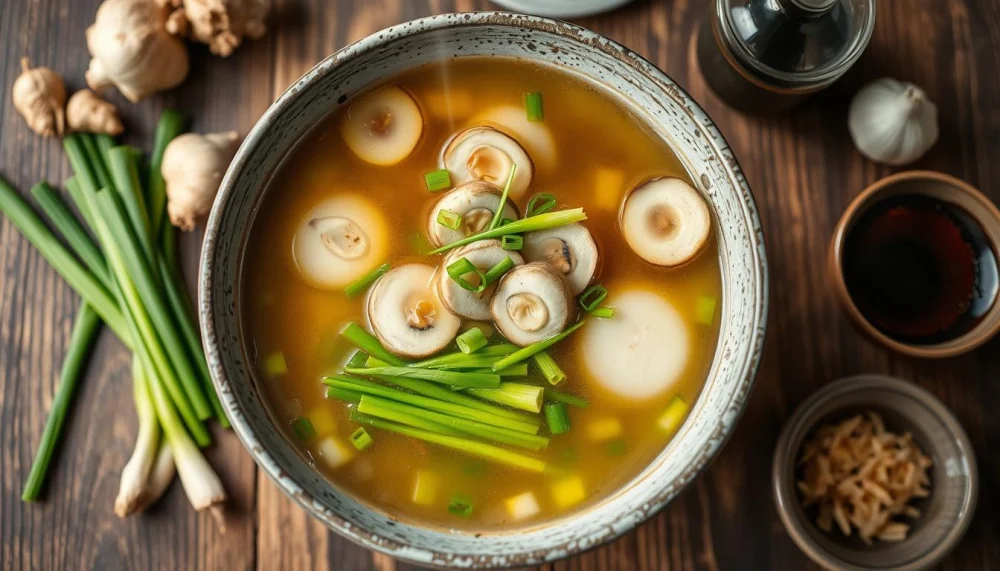
- what-makes-japanese-restaurant-soup-unique - What Makes Japanese Restaurant Soup Unique?
- the-secret-base-dashi-stock-explained - The Secret Base: Dashi Stock Explained
- classic-japanese-soups-you-can-recreate - Classic Japanese Soups You Can Recreate
- how-to-make-japanese-restaurant-style-miso-soup - How to Make Japanese Restaurant-Style Miso Soup
- pro-tips-authentic-flavor-and-technique - Pro Tips: Authentic Flavor and Technique
- personal-story-from-a-japanese-chef - Personal Story from a Japanese Chef
- where-to-find-ingredients-and-expert-help - Where to Find Ingredients and Expert Help
1. What Makes Japanese Restaurant Soup Unique?
If you've ever wondered how to make the soup at Japanese restaurants, you're not alone. That comforting, savory warmth, the balance of umami, and the simple yet deeply satisfying ingredients are a signature of Japanese culinary culture. These soups are not just appetizers—they reflect centuries of tradition and a philosophy that values subtlety, freshness, and harmony.
Unlike many Western-style soups, Japanese restaurant soups tend to use fewer ingredients, focusing instead on the natural essence of each component. Their richness doesn’t come from cream or heavy seasoning, but from umami-rich broths like dashi, miso, or soy-based reductions.
2. The Secret Base: Dashi Stock Explained
At the heart of most Japanese restaurant soups is dashi—a light stock that’s quick to prepare but full of depth. Dashi typically combines kombu (kelp) and katsuobushi (bonito flakes). Some variations include dried shiitake mushrooms or small sardines (niboshi) to adjust flavor.
To make basic dashi at home, soak a piece of kombu in cold water for 30 minutes, then bring to a near-boil. Remove the kombu, add a handful of bonito flakes, and let simmer for just a minute. Strain the broth—and there you have the foundational base for miso soup, clear soups, and even ramen broth.
3. Classic Japanese Soups You Can Recreate
There’s a wide range of soups served at Japanese restaurants, each with its own character. Here are a few you might recognize and can recreate at home:
Miso Soup: Made with dashi, miso paste, tofu, wakame seaweed, and green onions. Light, savory, and served daily in homes and restaurants alike.
Suimono: A clear soup that showcases the elegance of seasonal ingredients—often tofu, shrimp, or mushrooms—floating in a delicate broth.
Tonjiru: A heartier option, this miso-based pork soup includes root vegetables like daikon, carrots, and burdock.
These recipes all begin with mastering how to make the soup at Japanese restaurants: start from the dashi, then build up with complementary ingredients and seasonings.
4. How to Make Japanese Restaurant-Style Miso Soup
Here’s a simplified recipe to bring authentic miso soup to your kitchen:
1. Prepare a fresh dashi stock using kombu and bonito flakes.
2. Bring the dashi to a gentle simmer.
3. Add rehydrated wakame seaweed and diced soft tofu.
4. In a separate bowl, dissolve 1–2 tablespoons of white or red miso paste in a bit of the hot broth, then return it to the pot. (Never boil miso—high heat kills the flavor and nutrients.)
5. Top with chopped green onions just before serving.
It only takes 15 minutes, but the result is nearly indistinguishable from what you'd enjoy at a Japanese restaurant.
5. Pro Tips: Authentic Flavor and Technique
The key to getting it right lies in attention to detail. Always use high-quality ingredients—true kombu from Hokkaido, for example, makes a noticeable difference. Japanese restaurants often make fresh dashi every day instead of using powdered stock, and that elevates the entire dish.
Also, know your miso: white miso (shiro) is sweet and mild, red miso (aka) is stronger and saltier, and mixed miso (awase) balances the two. Choosing the right one changes the tone of your soup.
Some chefs even add yuzu peel or grated ginger for a modern twist. Experiment, but stay within the spirit of balance that defines Japanese cuisine.
6. Personal Story from a Japanese Chef
Chef Mika Sato, who runs a small izakaya in Osaka, once shared with me how her grandmother’s miso soup helped her fall in love with cooking. “She always said soup is where the soul of the meal lives. If your soup is good, everything else can be simple.” Mika still makes her dashi by hand every morning, a tradition passed through generations.
She also noted that many restaurant chefs in Japan train for years just to perfect soup bases before they’re allowed to work on main dishes. That level of dedication shows how central soup is in Japanese culinary artistry.
7. Where to Find Ingredients and Expert Help
If you’re serious about learning how to make the soup at Japanese restaurants, you’ll need the right ingredients and guidance. Visit Japanese Restaurant for recommendations on where to find top-grade miso paste, kombu, bonito flakes, and even handcrafted ceramic soup bowls to serve your creation in style.
Whether you’re cooking for yourself or entertaining guests, mastering Japanese soup brings you one step closer to the heart of Japanese food culture. And once you start making it at home, don’t be surprised if it becomes a regular part of your meals.
 Sushi Mockï4.0 (152 reviews)
 Kimbop4.0 (416 reviews)
 Show Win Japanese Cuisine4.0 (172 reviews)
 Edo4.0 (156 reviews)
 Yoshi4.0 (220 reviews)
 Kaiba Japanese Ramen Sushi & Grill - La Verne4.0 (119 reviews)
 How to Say “Where is the Restaurant” in Japanese and Use It Right
 Why Locals Recommend Tataki Japanese Restaurant in the US - A Taste of Authenticity
 What is in the Ginger Dressing at Japanese Restaurants? A Flavorful Exploration
 Why Locals Recommend Miyabi Japanese Restaurant – A True Dining Experience
 Why Gyotaku Japanese Restaurant is a Must-Try Spot for Japanese Food Lovers
 The Complete Guide to Dining at Goshi Japanese Restaurant SLO