
- 1-understanding-japanese-restaurant-soups
- 2-core-ingredients-and-broth-preparation
- 3-step-by-step-recipe-for-clear-japanese-soup
- 4-tips-for-authentic-flavor-and-presentation
- 5-exploring-other-popular-japanese-soups
1. Understanding Japanese Restaurant Soups
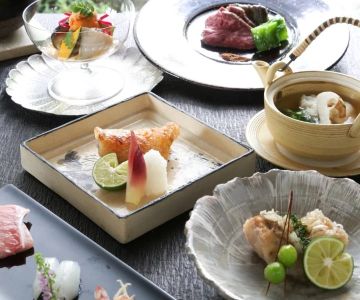
When exploring how to make the soup served at Japanese restaurants, it’s important to recognize the diversity and subtlety of Japanese soups. From the clear, delicate suimono to the comforting and hearty miso soup, Japanese soups are crafted to balance flavors and complement the entire meal.
Japanese restaurant soups often emphasize umami, clarity, and seasonality, making each bowl a reflection of culinary precision and cultural tradition.
1.1 The Role of Soup in Japanese Meals
Soup is not just a starter but an integral part of Japanese dining, designed to cleanse the palate and prepare diners for other dishes. Many restaurants serve a clear broth soup that is both light and flavorful, showcasing ingredients without overpowering the senses.
2. Core Ingredients and Broth Preparation
The foundation of many Japanese soups is a well-made broth, typically derived from dashi — a stock made with kombu (kelp) and katsuobushi (dried bonito flakes). This base provides the umami-rich essence crucial to authentic flavor.
Other common ingredients include:
2.1 Broth Components
Kombu and bonito flakes are simmered gently to extract their flavors without bitterness or cloudiness. The broth is strained carefully to maintain clarity.
2.2 Additional Flavorings and Garnishes
Light soy sauce, mirin, and salt season the soup subtly. Garnishes often feature seasonal vegetables, tofu, mushrooms, or fresh herbs such as mitsuba, enhancing both aroma and appearance.
3. Step-by-Step Recipe for Clear Japanese Soup
Here is a simple guide to making the clear soup typically served at Japanese restaurants:
3.1 Prepare Dashi Stock
Soak a piece of kombu in cold water for about 30 minutes, then slowly heat it until just before boiling. Remove kombu, add bonito flakes, simmer briefly, then strain to obtain clear dashi.
3.2 Season the Broth
Add a splash of light soy sauce and a touch of salt to taste. Keep the seasoning mild to preserve the broth’s delicate balance.
3.3 Add Garnishes
Place thinly sliced mushrooms, tofu cubes, or mitsuba leaves into serving bowls, then ladle hot broth over them. Serve immediately to enjoy freshness.
4. Tips for Authentic Flavor and Presentation
To replicate Japanese restaurant-quality soup at home, consider these tips:
4.1 Use Fresh, Quality Ingredients
High-quality kombu and bonito flakes are key to a rich umami flavor without artificial taste.
4.2 Maintain Broth Clarity
Skim impurities carefully during simmering and strain well to keep the broth transparent and visually appealing.
4.3 Serve Immediately
Japanese soups are best enjoyed fresh to capture the nuanced flavors and aroma.
5. Exploring Other Popular Japanese Soups
Beyond clear soup, Japanese restaurants serve various other soups like miso soup, tonjiru (pork and vegetable soup), and ramen broth varieties. Each has unique preparation techniques and flavor profiles worth exploring.
For those interested in learning more authentic recipes or finding Japanese restaurants offering these traditional soups, visiting Japanese Restaurant provides valuable guides, recommendations, and insights to enrich your culinary journey.

 Kumo Japanese Steakhouse4.0 (1880 reviews)
 Osaka Sushi Restaurant4.0 (263 reviews)
 Sushi Sake Doral4.0 (1294 reviews)
 Asahi Teppenyaki & Sushi4.0 (830 reviews)
 Sushi 214.0 (245 reviews)
 Mirakutei Sushi & Ramen Clackamas4.0 (198 reviews)
 The Complete Guide to Dining at Inaba Japanese Restaurant
 How to Say Romantic Restaurant in Japanese
 A Foodie’s Experience at Wasabi Japanese Restaurant | Japanese Restaurant
 Explore the Diverse Menu at Hatsuhana Japanese Restaurant – A Culinary Journey
 What to Say When You Leave a Japanese Restaurant – Etiquette and Phrases
 The History and Flavor Behind Mt. Fuji Japanese Restaurant