
- how-to-make-white-sauce-from-japanese-restaurants - How to Make White Sauce from Japanese Restaurants
- origin-of-japanese-white-sauce-and-its-uses - Origin of Japanese White Sauce and Its Uses
- classic-japanese-white-sauce-recipe-uncovered - Classic Japanese White Sauce Recipe Uncovered
- how-restaurants-enhance-their-white-sauce - How Restaurants Enhance Their White Sauce
- home-cook-version-simple-and-authentic - Home-Cook Version: Simple and Authentic
- chef-story-popular-hibachi-white-sauce-and-its-craze - Chef Story: Popular Hibachi White Sauce and Its Craze
- where-to-find-the-real-flavor - Where to Find the Real Flavor
1. How to Make White Sauce from Japanese Restaurants
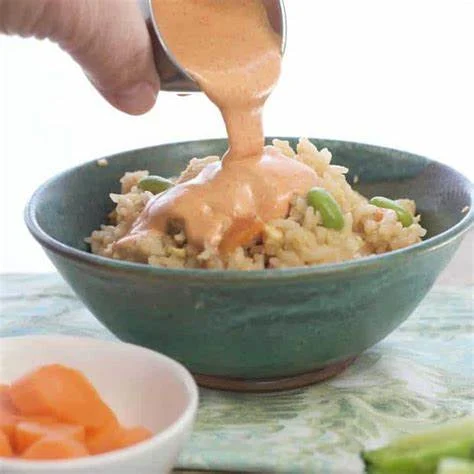
If you’ve ever sat down at a teppanyaki grill or hibachi table and wondered, “How to make white sauce from Japanese restaurants?” — you’re not alone. That creamy, tangy, slightly sweet sauce often served with grilled meats and vegetables is addictive. Often called “yum yum sauce,” it’s a favorite for many, but few know what really goes into it. Let’s break it down.
2. Origin of Japanese White Sauce and Its Uses
Despite its name, Japanese white sauce is actually more of an American-Japanese creation. You won’t commonly find it in Japan’s traditional eateries, but in North American hibachi-style chains, it’s iconic. Originally crafted to cater to Western palates, it blends mayonnaise, sugar, vinegar, and subtle spices to complement grilled meat, seafood, and vegetables. It's creamy, it’s flavorful, and it enhances nearly every dish it touches.
3. Classic Japanese White Sauce Recipe Uncovered
3.1 Core Ingredients
Most restaurants start with a mayonnaise base — but not just any mayo. Authentic Japanese mayo, such as Kewpie, adds a unique umami richness due to the use of egg yolks and MSG. Here’s a simplified breakdown:
- ½ cup Japanese mayonnaise
- 1 tablespoon ketchup
- 1 tablespoon melted butter
- 1 teaspoon garlic powder
- 1 tablespoon rice vinegar or apple cider vinegar
- 1 tablespoon sugar (adjust to taste)
- Optional: dash of paprika or cayenne for a spicy twist
These ingredients are whisked until smooth and best when chilled for a few hours. The resting time allows the flavors to meld and deepen — just like they do in restaurant kitchens.
4. How Restaurants Enhance Their White Sauce
Every Japanese restaurant adds its own touch. Some use a splash of mirin for extra sweetness; others may incorporate finely grated onion for a bite. The consistency is also carefully managed — often thinner than homemade versions so it coats meats evenly. And of course, presentation counts: served in tiny ceramic bowls beside sizzling grilled fare.
5. Home-Cook Version: Simple and Authentic
If you want to recreate this at home, here’s a quick method:
- Mix all the ingredients in a bowl.
- Use Japanese mayo for authenticity — this can be found at most Asian grocery stores or through Japanese Restaurant listings online.
- Let it sit in the fridge for at least 2–3 hours, ideally overnight.
You’ll find that the flavor matures beautifully — just like the restaurant version.
6. Chef Story: Popular Hibachi White Sauce and Its Craze
Chef Taro, a seasoned hibachi master based in California, once shared that diners would often ask for “three extra cups” of the white sauce before even ordering their meals. “We had to start bottling it ourselves for customers to take home,” he joked. What began as a side dip is now a culinary obsession for many.
7. Where to Find the Real Flavor
If you’re on the hunt for Japanese restaurants that get their white sauce just right — creamy but not heavy, sweet with a tangy finish — check out curated reviews and chef-approved recommendations on Japanese Restaurant. Whether you're dining in or looking for sauce to pair with your home-cooked teppanyaki, you'll find trusted suggestions tailored to your taste.
 Wow Sushi4.0 (76 reviews)
 My Sushi4.0 (182 reviews)
 Unico Tokyo Pasta4.0 (43 reviews)
 Okoze Sushi4.0 (312 reviews)
 Ramen Melrose4.0 (432 reviews)
 WAKO JAPANESE CUISINE4.0 (482 reviews)
 A Foodie’s Experience at Takumi Japanese Restaurant: A Culinary Journey
 Why Chiba Japanese Restaurant Is a Must-Try Spot for Japanese Food Lovers
 Exploring the Won Japanese Restaurant Menu: Tradition Meets Innovation
 A Aki Japanese Restaurant: Where Tradition Meets Modern Japanese Dining
 A Red Dot Japanese Restaurant Traralgon VIC - Best Sushi and Japanese Cuisine
 Why Locals Recommend Mt. Fuji Japanese Restaurant for Authentic Dining