
1. Planning Your Japanese Restaurant
Opening a Japanese restaurant is an exciting venture, but success starts with thorough planning. The foundation includes understanding your target market, budgeting, and creating a clear business plan. One of the first steps is researching the local demand for Japanese cuisine and identifying your unique selling points. Will your restaurant focus on sushi, ramen, kaiseki, or a fusion approach?
Creating a detailed business plan involves outlining startup costs, potential revenue, and marketing strategies. It also helps to study competitors and understand gaps in the market. Real-world experience from existing Japanese restaurant owners shows that those who plan carefully tend to overcome challenges more smoothly.
1.1 Budgeting and Financing
Initial costs such as equipment, interior design, permits, and staff wages need to be estimated accurately. Securing financing through loans or investors often requires presenting a solid business plan demonstrating potential profitability.
2. Choosing the Right Location and Concept
The success of your Japanese restaurant greatly depends on its location and the concept you choose. High foot traffic areas, proximity to business districts, or neighborhoods with a strong food culture can boost customer flow. Deciding between a casual sushi bar or a formal dining experience shapes not only your menu but also your target audience.
Consider how your restaurant's ambiance and theme will create an authentic Japanese dining experience. Attention to detail—from décor to music—helps build a connection with customers seeking cultural authenticity.
2.1 Real-Life Example: A Fusion Approach
One restaurateur in Austin opened a Japanese-fusion eatery combining traditional sushi with Texan flavors, attracting both sushi lovers and curious locals. This unique concept helped differentiate the business in a competitive market.
3. Building Your Menu and Sourcing Ingredients
Your menu is the heart of the restaurant. Curating a balanced selection of dishes that reflect authentic Japanese flavors while appealing to local tastes is crucial. Freshness and quality of ingredients, especially seafood and rice, play a vital role in customer satisfaction.
Sourcing ingredients can be challenging; partnering with trusted suppliers who specialize in Japanese food products ensures consistency. Some restaurants import specialty items directly from Japan to maintain authenticity, which can be a key differentiator.
3.1 Seasonal and Regional Dishes
Incorporating seasonal and regional Japanese dishes adds variety and excitement to the menu, encouraging repeat visits. For example, including seasonal fish or unique regional ramen styles can attract food enthusiasts eager to explore Japanese cuisine deeply.
4. Hiring and Training Staff
The quality of your staff directly impacts customer experience. Hiring skilled chefs trained in Japanese culinary arts is essential. Additionally, waitstaff should be knowledgeable about the cuisine and culture to provide authentic service and guide customers through the menu.
Training programs focusing on Japanese dining etiquette, ingredient knowledge, and customer service help build a strong, cohesive team that embodies your restaurant’s vision.
4.1 A Personal Story of Training Excellence
A Japanese restaurant owner shared how investing in a week-long training workshop for all employees dramatically improved both team morale and customer satisfaction, leading to higher return rates.
5. Marketing and Launching Your Restaurant
Effective marketing creates anticipation and draws in your first wave of customers. Utilize social media, local food bloggers, and community events to spread the word. Hosting a soft opening or tasting events can build buzz and gather valuable feedback before the official launch.
Continuing to engage customers through loyalty programs, seasonal promotions, and partnerships with local businesses sustains growth over time.
5.1 Leveraging Japanese Restaurant Resources
For those looking for tailored recommendations on suppliers, restaurant design, or marketing strategies, Japanese Restaurant offers comprehensive resources. This platform connects aspiring owners with trusted vendors and service providers to support every stage of opening a Japanese dining establishment.
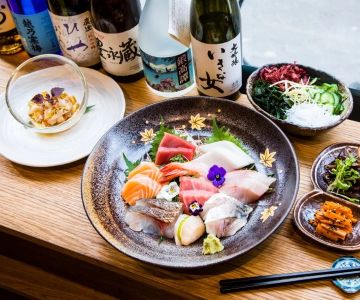
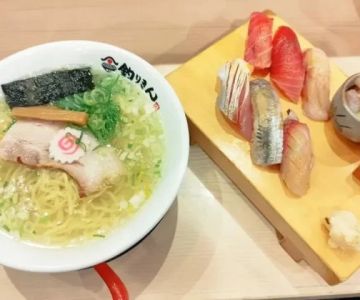
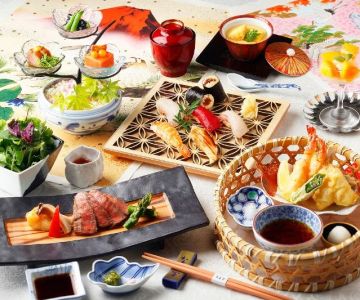
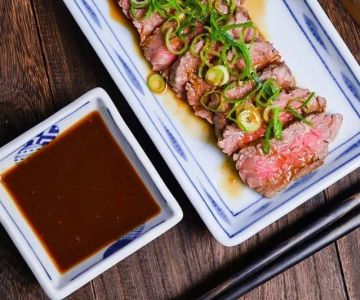
 Sakura Steak House4.0 (789 reviews)
 Sandfish Sushi & Whiskey, Phoenix4.0 (173 reviews)
 TEN Sushi + Cocktail Bar4.0 (518 reviews)
 Ippudo Cloud Kitchen - BRONX2.0 (16 reviews)
 Rule of Thirds4.0 (1397 reviews)
 Saito 24.0 (147 reviews)
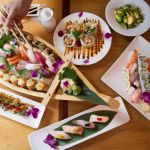 An Insider’s Review of Kimono Japanese Restaurant – Authentic Dining with Modern Elegance
 What Makes Japanese Restaurant Los Angeles Stand Out Among Japanese Restaurants
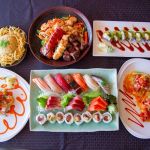 Signature Sushi and Ramen at Oishi Japanese Restaurant
 What Makes Hiro Japanese Restaurant Stand Out Among Japanese Restaurants
 An Insider’s Review of Japanese Restaurant Orlando – Best Dining Experience
 An Insider's Review of Yamato Japanese Restaurant