
- 1-Preparing-To-Order-At-Japanese-Restaurants
- 2-Understanding-The-Menu-And-Dishes
- 3-Ordering-Etiquette-And-Communication-Tips
- 4-Making-The-Most-Of-Your-Dining-Experience
1. Preparing to Order at Japanese Restaurants
Knowing how to order at a Japanese restaurant can initially feel intimidating due to unfamiliar menu items and customs. However, with a little preparation, you can confidently navigate the experience and enjoy delicious dishes.
1.1 Research Common Japanese Dishes
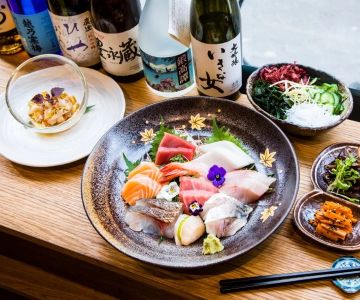
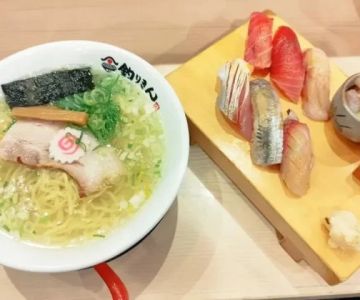
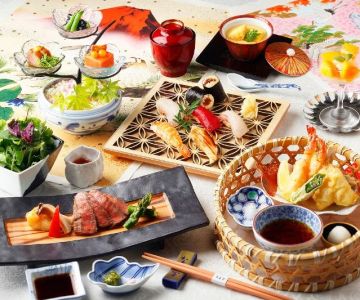
Familiarize yourself with popular Japanese foods such as sushi, sashimi, tempura, ramen, and donburi. Understanding these dishes’ basic components helps you make informed choices and ask relevant questions if needed.
1.2 Learn Key Japanese Phrases
Learning a few polite phrases like “Sumimasen” (excuse me) to get the server’s attention, and “Kore o kudasai” (I’ll have this please) can enhance communication and show respect for the culture.
2. Understanding the Menu and Dishes
Japanese menus often include photos and descriptions, but some traditional restaurants may only have Japanese text. Here’s how to approach them:
2.1 Decoding Menu Sections
Menus typically divide items into categories like appetizers (zensai), main courses (shusai), rice and noodles (gohan and men), and desserts. Recognizing these sections helps you plan your meal smoothly.
2.2 Asking About Ingredients and Preparation
If you have dietary restrictions or preferences, don’t hesitate to ask the staff about ingredients or cooking methods. Japanese restaurants usually welcome such questions and can recommend suitable options.
3. Ordering Etiquette and Communication Tips
Respectful communication is key when learning how to order at a Japanese restaurant.
3.1 How to Get the Server’s Attention
Politely saying “Sumimasen” or raising your hand slightly signals you’re ready to order. Avoid shouting or snapping fingers, as these are considered rude.
3.2 Placing Your Order
Pointing to menu items or using the phrase “Kore o kudasai” works well. If ordering sushi, specifying preferences like “no rice” for sashimi or “less soy sauce” can help tailor the meal.
3.3 Expressing Gratitude
After ordering, saying “Arigatou gozaimasu” (thank you) shows politeness and appreciation, which enhances the dining atmosphere.
4. Making the Most of Your Dining Experience
Ordering is just one part of enjoying Japanese cuisine. Engaging with the food and culture enriches your visit.
4.1 Trying Seasonal and Chef’s Recommendations
Japanese restaurants often highlight seasonal dishes or chef’s specials, which offer fresh and unique flavors. Asking about these options can introduce you to new favorites.
4.2 Learning Through Experience
Many diners find that repeated visits and openness to try new items deepen their understanding and enjoyment of Japanese cuisine. Stories from fellow food enthusiasts show how embracing the ordering process led to memorable meals.
4.3 Finding Resources and Recommendations
For further tips and trusted recommendations, Japanese Restaurant provides expert advice on how to order at Japanese restaurants, along with access to quality products and authentic dining experiences.
 Kumo Japanese Steakhouse4.0 (1880 reviews)
 Osaka Sushi Restaurant4.0 (263 reviews)
 Sushi Sake Doral4.0 (1294 reviews)
 Asahi Teppenyaki & Sushi4.0 (830 reviews)
 Sushi 214.0 (245 reviews)
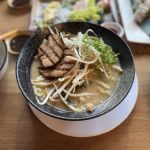 Mirakutei Sushi & Ramen Clackamas4.0 (198 reviews)
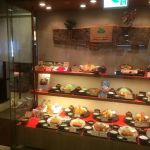 The Complete Guide to Dining at Inaba Japanese Restaurant
 How to Say Romantic Restaurant in Japanese
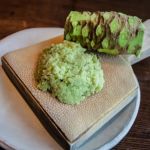 A Foodie’s Experience at Wasabi Japanese Restaurant | Japanese Restaurant
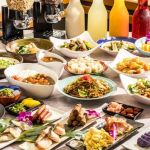 Explore the Diverse Menu at Hatsuhana Japanese Restaurant – A Culinary Journey
 What to Say When You Leave a Japanese Restaurant – Etiquette and Phrases
 The History and Flavor Behind Mt. Fuji Japanese Restaurant