- 1-understanding-japanese-restaurant-culture
- 2-essential-phrases-for-ordering-in-japanese
- 3-step-by-step-guide-to-ordering-food-in-japanese
- 4-real-life-examples-and-tips
- 5-where-to-find-best-japanese-restaurant-services
1. Understanding Japanese Restaurant Culture
When visiting Japan, one of the most enriching experiences is dining out. However, understanding how to order at a restaurant in Japanese goes beyond simply knowing the language; it involves grasping the cultural nuances that shape Japanese dining etiquette. For instance, in many Japanese restaurants, customers are greeted promptly with “Irasshaimase” (いらっしゃいませ), a warm welcome meaning “please come in.” This polite interaction sets the tone for the dining experience.
In Japan, showing respect and patience during the ordering process is essential. Unlike some fast-paced dining cultures, Japanese restaurants often expect customers to take their time reviewing the menu. Additionally, many menus feature pictures or English translations, especially in tourist areas, but learning key phrases will elevate your experience and show appreciation for the local customs.
1.1 The Role of Politeness in Ordering
Using polite language such as adding “-masu” form verbs (e.g., “kudasai” meaning “please give me”) and simple greetings enhances communication. For example, saying “Sumimasen” (すみません) to call the waiter’s attention is considered polite and appreciated.
This cultural understanding is vital when you want to place your order smoothly and enjoy your meal without misunderstandings.
2. Essential Phrases for Ordering in Japanese
Mastering a few key phrases can transform your dining experience from stressful to enjoyable. Here are some of the most useful expressions when ordering food in Japanese:
2.1 Calling the Waiter
“Sumimasen” (すみません) is the universal phrase to politely call for attention. It can be used both when entering a restaurant or when ready to order.
2.2 Placing Your Order
Use “~をください” (~wo kudasai) to indicate what you want. For example, “Sushi o kudasai” means “Please give me sushi.” If you want to order multiple items, you can list them: “Tempura to miso shiru o kudasai” (Tempura and miso soup, please).
2.3 Asking for Recommendations
“Osusume wa nan desu ka?” (おすすめは何ですか?) means “What do you recommend?” This is especially helpful if you want to try local specialties or daily specials.
2.4 Dietary Restrictions and Preferences
If you have allergies or dietary preferences, phrases like “Nutsu arimasu ka?” (ナッツありますか? – Do you have nuts?) or “Vegetarian desu” (ベジタリアンです – I am vegetarian) help convey your needs clearly.
3. Step-by-Step Guide to Ordering Food in Japanese
Ordering at a Japanese restaurant can be straightforward if you follow a clear process. Here is a detailed walkthrough to guide you:
3.1 Entering the Restaurant
Upon entering, staff will often greet you with “Irasshaimase.” Responding with a simple bow or “Konnichiwa” (こんにちは) is polite and welcomed.
3.2 Getting Seated and Reviewing the Menu
Wait to be seated, and the server will bring menus. If you have questions, don’t hesitate to ask “Kore wa nan desu ka?” (これは何ですか? – What is this?).
3.3 Ordering Drinks First
It’s common to order drinks first, especially in izakayas (Japanese pubs). You can say “Ocha o kudasai” (お茶をください – Please give me tea) or order alcoholic beverages like “Beeru o kudasai” (ビールをください – Please give me beer).
3.4 Placing the Food Order
When ready, call the waiter with “Sumimasen” and place your order using the phrases discussed earlier. Speak clearly and at a moderate pace.
3.5 Requesting Additional Items
If you want to order more food or drinks later, simply repeat the process, always starting with “Sumimasen.”
3.6 Paying the Bill
At the end of your meal, say “Okanjo onegaishimasu” (お勘定お願いします) to request the bill. Payment is usually done at the register rather than at the table.
4. Real-Life Examples and Tips
To better illustrate the process, consider the story of Emma, a traveler who visited Tokyo for the first time. Emma was nervous about ordering in Japanese, but by learning just a few key phrases, she enjoyed authentic meals at local restaurants without stress.
One night, she went to a ramen shop and confidently called the waiter with “Sumimasen,” then asked for the house specialty by saying “Osusume wa nan desu ka?” The server recommended a delicious miso ramen, and Emma said, “Miso ramen o hitotsu kudasai,” successfully placing her order.
This experience boosted her confidence, and she even began trying other Japanese phrases throughout her trip.
4.1 Additional Tips
• If you are unsure about pronunciation, pointing at the menu item while saying “Kore o kudasai” (これをください) – “This one, please” – is perfectly acceptable.
• When eating, avoid blowing your nose at the table or sticking chopsticks upright in your rice, as these actions are considered rude.
• Being patient and polite will always help you receive better service.
5. Where to Find Best Japanese Restaurant Services
If you want to experience authentic Japanese dining or find the best restaurants that cater to tourists and locals alike, visit Japanese Restaurant. Here, you can discover recommended shops, menus, and tailored services that match your preferences and dietary needs. Whether you are searching for sushi, ramen, or traditional kaiseki, Japanese Restaurant offers reliable suggestions to enhance your culinary journey in Japan.
By using our platform, you save time and avoid the common confusion travelers face, making your ordering experience at Japanese restaurants smooth and enjoyable.
 Kumo Japanese Steakhouse4.0 (1880 reviews)
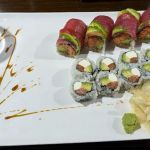 Osaka Sushi Restaurant4.0 (263 reviews)
 Sushi Sake Doral4.0 (1294 reviews)
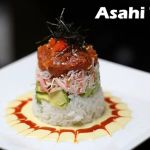 Asahi Teppenyaki & Sushi4.0 (830 reviews)
 Sushi 214.0 (245 reviews)
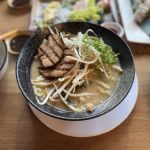 Mirakutei Sushi & Ramen Clackamas4.0 (198 reviews)
 The Complete Guide to Dining at Inaba Japanese Restaurant
 How to Say Romantic Restaurant in Japanese
 A Foodie’s Experience at Wasabi Japanese Restaurant | Japanese Restaurant
 Explore the Diverse Menu at Hatsuhana Japanese Restaurant – A Culinary Journey
 What to Say When You Leave a Japanese Restaurant – Etiquette and Phrases
 The History and Flavor Behind Mt. Fuji Japanese Restaurant