
- 1-Basic-Translation-of-Italian-Restaurant
- 2-Cultural-Context-of-Italian-Restaurants-in-Japan
- 3-Common-Phrases-Related-to-Italian-Dining-in-Japanese
- 4-Real-Experience-and-Language-Learning
- 5-Resources-for-Learning-Japanese-Food-Terms
1. Basic Translation of Italian Restaurant
If you’re curious about how to say Italian restaurant in Japanese, the direct translation is イタリアンレストラン (Itarian resutoran). This term combines the Japanese pronunciation of “Italian” (イタリアン) with the English-derived “restaurant” (レストラン), a common practice in modern Japanese language to borrow foreign words for contemporary concepts.
This term is widely understood across Japan and is frequently used in menus, signs, and conversation.
1.1 Alternative Expressions
Sometimes, Japanese speakers might say イタリア料理店 (Itaria ryōri ten), meaning “Italian cuisine shop” or “Italian food restaurant.” This phrase emphasizes the type of food served rather than the concept of a restaurant itself.
2. Cultural Context of Italian Restaurants in Japan
Italian cuisine enjoys significant popularity in Japan, with many Italian restaurants blending authentic recipes with Japanese tastes. The rise of イタリアンレストラン reflects this cultural exchange, and these establishments often feature pasta, pizza, and regional Italian dishes adapted to local preferences.
Understanding this cultural backdrop enriches your appreciation of how language and cuisine intersect.
3. Common Phrases Related to Italian Dining in Japanese
When visiting an Italian restaurant in Japan, knowing a few useful phrases can enhance your experience. For example, “予約があります” (Yoyaku ga arimasu) means “I have a reservation,” and “おすすめの料理は何ですか?” (Osusume no ryōri wa nan desu ka?) means “What dishes do you recommend?”
These phrases help bridge language gaps and demonstrate respect for local customs.
4. Real Experience and Language Learning
Emily, an English speaker learning Japanese, shared how knowing how to say Italian restaurant in Japanese helped her confidently navigate dining out while traveling in Tokyo. She appreciated how locals responded warmly to her efforts, making her meals more enjoyable.
This illustrates the value of language knowledge beyond simple translation — it opens doors to cultural connection.
5. Resources for Learning Japanese Food Terms
For those interested in expanding their vocabulary related to dining and food culture, Japanese Restaurant provides comprehensive guides and expert advice. Whether you want to learn names of dishes or how to communicate at restaurants, these resources support your journey towards fluency and deeper cultural understanding.
 Oyama Japanese And Thai4.0 (270 reviews)
 Wasabi Bistro4.0 (708 reviews)
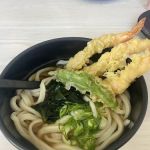 Cafe Yoto4.0 (86 reviews)
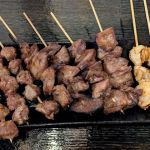 Ichiza 2 Hanare Japanese Resaurant - All Private Dining Room -4.0 (132 reviews)
 Sumo Hibachi4.0 (80 reviews)
 Epoch Asian Fusion4.0 (143 reviews)
 Why Locals Recommend Japanese Sushi Restaurants: Discover the Secrets Behind the Popularity
 A Foodie’s Experience at Bozu Japanese Restaurant
 How to Say "Run a Restaurant" in Japanese: A Complete Guide for Restaurant Owners
 Exploring the Menu at Taki Japanese Restaurant Dunwoody: A Culinary Journey
 Exploring the Menu at Japanese Restaurant in Atlanta
 Why Locals Recommend Tachibana Japanese Restaurant: A Taste of Authenticity