
- 1-basic-phrases-for-owning-restaurant-in-japanese
- 2-nuances-and-context-of-ownership-expression
- 3-cultural-considerations-in-expressing-ownership
- 4-real-life-examples-and-stories-about-owning-a-restaurant
- 5-practical-tips-for-using-ownership-phrases
1. Basic Phrases for Owning a Restaurant in Japanese
When you want to say “own a restaurant” in Japanese, the most straightforward way is 「レストランを経営する」(resutoran o keiei suru), which literally means “to manage or run a restaurant.” The verb 経営する (keiei suru) conveys the idea of business ownership or operation, making it the natural choice for expressing ownership in a business context.
Alternatively, 「レストランのオーナーです」(resutoran no ōnā desu) means “I am the owner of a restaurant.” The word オーナー (ōnā) is borrowed from English “owner,” commonly used in everyday speech.
1.1 Other Related Terms
Besides ownership, you might hear terms like 経営者 (keieisha), meaning “manager” or “business operator,” or 自営業 (jieigyō), meaning “self-employed,” often used by small business owners including restaurant proprietors.
2. Nuances and Context of Ownership Expression
The phrase レストランを経営する does not merely imply ownership but also the active involvement in running the business. In Japanese culture, it’s important to convey both responsibility and dedication when talking about owning a restaurant.
2.1 Expressing Ownership vs. Management
While オーナー (owner) focuses on possession, 経営する (to manage) emphasizes the ongoing work and commitment to the restaurant’s success. Depending on context, you might choose one over the other to highlight your role.
2.2 Politeness and Formality
When speaking formally or to strangers, the polite form 経営しています (keiei shiteimasu) is common. Among friends or informal settings, the plain form 経営している suffices.
3. Cultural Considerations in Expressing Ownership
In Japan, humility and subtlety are valued, so overtly boasting about owning a business is often avoided. Instead, phrasing tends to be modest, focusing on the hard work and dedication rather than just the title of owner.
3.1 Emphasizing Effort Over Status
Many restaurateurs prefer to say they “manage” or “run” the restaurant rather than simply “own” it, reflecting the cultural importance of effort and responsibility. This approach is respected and considered sincere.
3.2 The Role of Relationship Building
Ownership is also intertwined with building trust among customers and community, so language around restaurant ownership often includes expressions about care, service, and quality, beyond just possession.
4. Real-Life Examples and Stories About Owning a Restaurant
Take the story of Mr. Tanaka, a Japanese restaurateur who proudly says 「家族でレストランを経営しています」 (“We run a restaurant as a family”). His expression emphasizes teamwork and dedication rather than just ownership, which resonates well with customers and staff alike.
Another example is a young entrepreneur who uses the phrase 「レストランのオーナーになりたい」 (“I want to become a restaurant owner”) when sharing ambitions. This straightforward use of オーナー illustrates how modern Japanese also adopt loanwords to express business concepts simply.
5. Practical Tips for Using Ownership Phrases
When using phrases about owning a restaurant, consider your audience and setting. Formal business meetings require polite and humble language, while casual conversations can be more direct.
5.1 Practice Contextual Usage
Try to practice sentences like 「小さなレストランを経営しています」 (“I run a small restaurant”) or 「レストランのオーナーです」 to build natural fluency.
5.2 Explore Related Vocabulary
Learning terms related to restaurant operations, such as スタッフ (staff), メニュー (menu), and サービス (service), will enrich your ability to talk about owning and managing a restaurant in Japanese.
For those interested in deepening their understanding or finding products and services tailored to Japanese dining and restaurant management, the site Japanese Restaurant offers valuable resources and recommendations that can support your journey.
 Oyama Japanese And Thai4.0 (270 reviews)
 Wasabi Bistro4.0 (708 reviews)
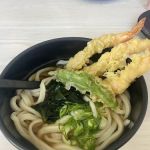 Cafe Yoto4.0 (86 reviews)
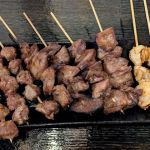 Ichiza 2 Hanare Japanese Resaurant - All Private Dining Room -4.0 (132 reviews)
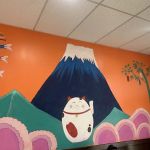 Sumo Hibachi4.0 (80 reviews)
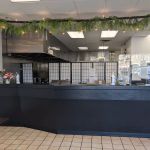 Epoch Asian Fusion4.0 (143 reviews)
 Why Locals Recommend Japanese Sushi Restaurants: Discover the Secrets Behind the Popularity
 A Foodie’s Experience at Bozu Japanese Restaurant
 How to Say "Run a Restaurant" in Japanese: A Complete Guide for Restaurant Owners
 Exploring the Menu at Taki Japanese Restaurant Dunwoody: A Culinary Journey
 Exploring the Menu at Japanese Restaurant in Atlanta
 Why Locals Recommend Tachibana Japanese Restaurant: A Taste of Authenticity