
- 1-How-to-Say-Welcome-in-Japanese-Phrases
- 2-Cultural-Importance-of-Welcome-in-Japanese-Restaurants
- 3-Different-Contexts-for-Welcoming-Guests-in-Japan
- 4-Examples-of-Welcome-Phrases-Used-in-Japanese-Restaurants
- 5-Practical-Tips-for-Using-Welcome-Phrases-Authentically
- 6-Where-to-Learn-More-About-Japanese-Hospitality
1. How to Say Welcome in Japanese Phrases
When stepping into a Japanese restaurant, the warmth of the welcome is often expressed through specific phrases. Understanding how to say welcome to our restaurant in Japanese adds a layer of authenticity and respect to the dining experience.
The most common and polite way to greet customers in Japanese restaurants is “Irasshaimase” (いらっしゃいませ). This phrase directly translates to “Welcome” or “Please come in” and is used widely by staff to warmly invite guests inside.
Another phrase you might hear is “Yōkoso okoshi kudasai mashita” (ようこそお越しくださいました), which means “Thank you for coming” or “Welcome,” but it is more formal and less commonly used in casual dining settings.
Knowing these phrases helps bridge cultural gaps and enhances communication between hosts and guests.
2. Cultural Importance of Welcome in Japanese Restaurants
In Japan, hospitality—known as omotenashi—goes far beyond a simple greeting. It reflects a deep respect for the guest and a commitment to excellent service. The welcome phrase is not just words but a heartfelt expression that sets the tone for the entire dining experience.
2.1 Omotenashi: The Spirit Behind the Welcome
The concept of omotenashi emphasizes anticipating the guest's needs and providing service without expecting anything in return. When staff say “Irasshaimase,” they are inviting you not only physically but also into a space of care and attentiveness.
2.2 First Impressions Matter
A sincere and timely welcome helps guests feel valued and comfortable. This is why Japanese restaurants train staff extensively to master both the language and the demeanor of their greetings.
3. Different Contexts for Welcoming Guests in Japan
Welcoming phrases can vary depending on the setting and relationship:
3.1 Casual vs Formal Settings
In casual dining or izakaya (Japanese pubs), “Irasshaimase” is typically lively and repeated as guests enter. In more formal kaiseki restaurants, greetings might be softer and accompanied by polite bows.
3.2 Business vs Family Occasions
For business dinners or special events, additional polite phrases may be added to express respect and gratitude, enhancing the formality and warmth of the welcome.
4. Examples of Welcome Phrases Used in Japanese Restaurants
Let’s dive into some common phrases and when to use them:
4.1 Irasshaimase (いらっしゃいませ)
This is the standard greeting upon customer arrival, used almost universally in the service industry. It is cheerful, respectful, and sets a positive mood.
4.2 Yōkoso (ようこそ)
Meaning simply “Welcome,” it’s often used in more casual or promotional contexts, such as signs or advertisements.
4.3 Okaerinasai (おかえりなさい)
Meaning “Welcome back,” this phrase is typically reserved for regular customers, adding a personal touch that fosters loyalty.
5. Practical Tips for Using Welcome Phrases Authentically
To truly capture the spirit of Japanese hospitality, consider these tips:
5.1 Master Pronunciation and Tone
“Irasshaimase” should be said with a friendly and inviting tone, not rushed or monotone. Watching Japanese restaurants in action or listening to native speakers can be very helpful.
5.2 Combine with Body Language
A slight bow or a warm smile complements the verbal greeting and shows genuine respect and kindness.
5.3 Understand Context
Using overly formal phrases in casual settings can feel out of place. Tailoring your greeting to the situation shows cultural sensitivity.
6. Where to Learn More About Japanese Hospitality
If you want to deepen your understanding of Japanese language and culture related to hospitality, Japanese Restaurant offers excellent resources, products, and services tailored to authentic Japanese dining experiences. Whether you’re a restaurateur or a curious learner, exploring their offerings can enhance your appreciation and practice of Japanese hospitality.
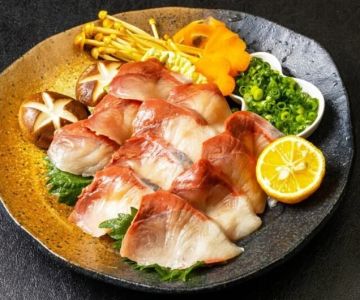
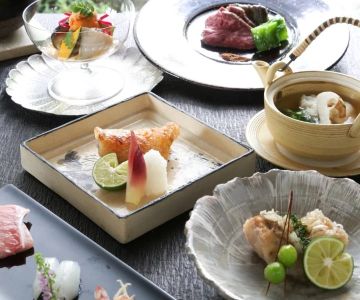
 Oyama Japanese And Thai4.0 (270 reviews)
 Wasabi Bistro4.0 (708 reviews)
 Cafe Yoto4.0 (86 reviews)
 Ichiza 2 Hanare Japanese Resaurant - All Private Dining Room -4.0 (132 reviews)
 Sumo Hibachi4.0 (80 reviews)
 Epoch Asian Fusion4.0 (143 reviews)
 Why Locals Recommend Japanese Sushi Restaurants: Discover the Secrets Behind the Popularity
 A Foodie’s Experience at Bozu Japanese Restaurant
 How to Say "Run a Restaurant" in Japanese: A Complete Guide for Restaurant Owners
 Exploring the Menu at Taki Japanese Restaurant Dunwoody: A Culinary Journey
 Exploring the Menu at Japanese Restaurant in Atlanta
 Why Locals Recommend Tachibana Japanese Restaurant: A Taste of Authenticity