
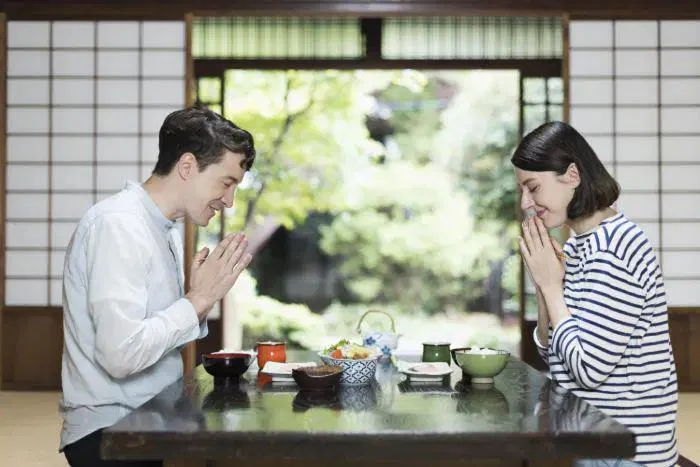
- how-to-sit-in-japanese-restaurant-different-styles
- tatami-seating-etiquette-and-posture
- modern-seating-options-and-how-to-choose
- real-life-story-first-time-sitting-in-a-japanese-restaurant
- tips-to-make-your-dining-comfortable
1. How to Sit in Japanese Restaurant: Different Styles
Understanding how to sit in Japanese restaurant isn't just about physical posture—it’s about adapting to cultural context. Traditional Japanese restaurants may offer seating on tatami mats, low tables, or even counters. Modern ones might provide Western-style chairs. How you choose to sit and behave depends on the setting and the level of formality of the meal.
Knowing this can make your experience much smoother and more respectful, especially if you're traveling in Japan or visiting an authentic venue abroad. Fortunately, this isn’t as intimidating as it sounds, and a little preparation goes a long way.
2. Tatami Seating: Etiquette and Posture
2.1 What is tatami seating?
Tatami seating involves sitting on traditional straw mats, often with low tables and no chairs. These are common in ryotei (traditional restaurants) and kaiseki dining. In many setups, guests sit on flat cushions called zabuton.
2.2 How to sit on tatami mats properly
The ideal way to sit is in the seiza position — kneeling with legs folded under you and your back straight. However, this position can be uncomfortable if you're not used to it. In casual settings, sitting cross-legged (men) or with legs to the side (women) is acceptable, especially if the restaurant isn’t extremely formal.
2.3 When to switch position
It’s okay to adjust your posture if your legs start falling asleep. Just be discreet and polite. Avoid stretching your legs straight out toward others or showing the soles of your feet—both are considered rude in traditional Japanese etiquette.
3. Modern Seating Options and How to Choose
3.1 Zashiki with sunken floors
Many contemporary Japanese restaurants still use tatami rooms, but with a horigotatsu—a recessed space under the table for your legs. This provides the traditional aesthetic with Western comfort. If you see shoes placed neatly outside the room, follow suit and enter sock-footed.
3.2 Counter seating
Common in sushi restaurants and ramen shops, counter seats offer a casual and interactive dining style. You’ll likely be seated by staff, and it’s best to wait for their gesture before taking a stool. Keep posture upright and tidy—it’s a sign of appreciation for the chef’s craft.
3.3 Regular chairs in casual or fusion restaurants
Chairs and tables are now the norm in many urban restaurants. These settings don’t require special etiquette, but general politeness still applies: don’t sprawl out, avoid loud conversations, and sit up respectfully when being served.
4. Real-Life Story: First Time Sitting in a Japanese Restaurant
On my first trip to Kyoto, I made a reservation at a traditional kaiseki restaurant. I was ushered into a serene room with a tatami floor, and instinctively tried to sit cross-legged. The staff gently showed me how to sit seiza-style. Within ten minutes, my feet were numb—but I noticed the chef watching us silently with a warm expression. By shifting to a side-sitting position discreetly, I stayed respectful while avoiding discomfort. That small moment taught me how posture is also a form of communication in Japanese culture.
5. Tips to Make Your Dining Comfortable
5.1 Dress with awareness
If you're visiting a place with floor seating, avoid tight jeans or short skirts. Flexible, modest clothing helps you move and sit more easily on tatami or low seating.
5.2 Observe others and follow their lead
If you're unsure how to sit or where, take cues from other diners or staff. It’s common to wait for someone to say “douzo” (please go ahead) before sitting down.
5.3 Ask politely if you're unsure
Most staff are happy to explain or guide you. A simple phrase like “Suwatte ii desu ka?” (Is it okay to sit?) or even a friendly smile and gesture works well in casual settings.
For those curious about experiencing Japanese dining traditions firsthand, Japanese Restaurant is your go-to place to discover the perfect venue—whether you want authentic tatami rooms, sushi counters, or hybrid experiences that combine culture with comfort. We connect you to the most respected spaces that showcase not just food, but etiquette and ambiance too.
 Bento-ria4.0 (267 reviews)
 Domo4.0 (275 reviews)
 Sake Sushi4.0 (261 reviews)
 Kyoto Japanese Restaurant4.0 (265 reviews)
 Fujiyama Sushi Bar4.0 (268 reviews)
 Rayaki Ramen Philadelphia Mills4.0 (274 reviews)
 The Complete Guide to Dining at Japanese Restaurants in Los Angeles
 The History and Flavor Behind East Japanese Restaurant
 What Makes Japanese Hibachi Restaurant Near Me Stand Out Among Japanese Restaurants
 Exploring the Menu at Nami Japanese Restaurant: Authentic Japanese Dining
 Why Locals Recommend Douzo Modern Japanese Restaurant in Boston
 An Insider’s Review of Hiro Japanese Restaurant: A Culinary Gem