
- look-for-cultural-authenticity-not-just-decoration
- menu-language-and-ingredients-are-clues
- observe-the-chefs-preparation-and-technique
- how-local-japanese-patrons-respond
- real-life-experience-finding-the-right-place
- where-to-start-your-search-for-authenticity
1. Look for Cultural Authenticity, Not Just Decoration
When exploring how to spot an authentic Japanese restaurant, don’t let red lanterns and bamboo chopsticks fool you. True authenticity goes beyond aesthetic mimicry. A real Japanese eatery values subtlety and tradition—whether it’s in the quiet demeanor of the staff, the meticulous cleanliness, or how rice is served with reverence.
In Tokyo or Kyoto, it's the understated calm and attentiveness that defines a genuine experience, and the same markers can help you evaluate establishments outside of Japan too. A good rule? If it feels like a movie set, it probably isn’t authentic.
2. Menu Language and Ingredients Are Clues
2.1 Japanese Language with Explanations
An authentic Japanese restaurant often lists dishes in their native names, such as “Katsudon,” “Shio Ramen,” or “Gindara Saikyo Yaki,” along with English translations. Beware of places where the menu is overly simplified or uses Americanised names like “Tokyo Fire Roll” or “Samurai Nachos”—these are telltale signs of fusion, not tradition.
2.2 Ingredient Integrity
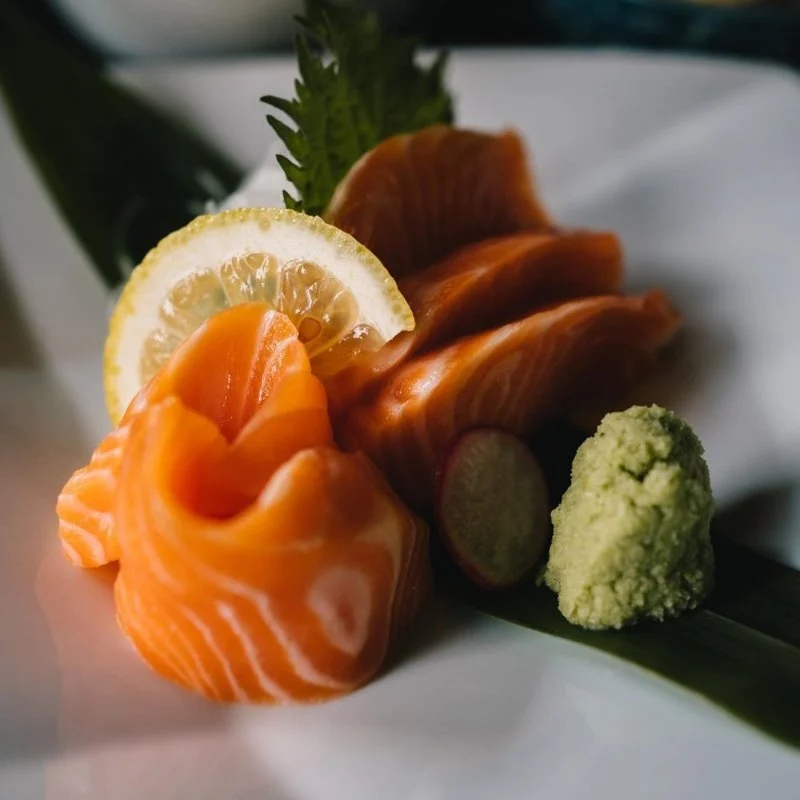
Real Japanese cooking relies heavily on ingredients like dashi, miso, mirin, and freshly grated wasabi (not the green paste from a tube). If the sushi rice lacks proper seasoning or the fish looks overly glossy or dry, you’re not in an authentic spot. One diner in LA even noted that an “authentic” restaurant turned out to use frozen tuna and microwaveable miso soup—clearly a red flag.
3. Observe the Chef’s Preparation and Technique
An experienced itamae (sushi chef) is often quiet, focused, and respectful of the ingredients. Watch how they slice sashimi or form nigiri—precision and care are key. Many Japanese restaurants, especially omakase-style venues, welcome guests to sit at the counter and observe the entire process. If your chef is flipping shrimp in the air for spectacle, you’re probably at a teppanyaki show, not an authentic Japanese kitchen.
Bonus tip: If the sushi is pre-made or served on a conveyor belt (except in specialty kaitenzushi establishments), it likely sacrifices quality for convenience.
4. How Local Japanese Patrons Respond
One of the strongest signs of authenticity is a loyal Japanese clientele. If you walk into a sushi bar or izakaya and hear fluent Japanese spoken by diners or the chef, it’s a strong sign you’re in good hands.
Online reviews, especially in Japanese communities or forums, can also provide insights. Yelp or Google Maps reviews in Japanese often contain thoughtful critiques and help spot quality. It's worth searching beyond the 5-star ratings—look for consistency and nuance.
5. Real-Life Experience: Finding the Right Place
I once stumbled upon a modest Japanese eatery tucked between a hardware store and a laundromat in San Francisco. The place was almost hidden, but inside, I was welcomed with oshibori (hot towel), quiet jazz playing, and a chef who had trained in Osaka. The menu offered uni donburi and seasonal tempura—not your usual California rolls.
By contrast, I once visited a flashy “Japanese” spot downtown with neon signs, massive sake bombs, and cream cheese-filled rolls. Tasty, perhaps—but not authentic.
6. Where to Start Your Search for Authenticity
If you're eager to find the right Japanese restaurant in your area, start by narrowing down options that match these principles. Whether you’re in New York, Dallas, or Honolulu, resources like Japanese Restaurant can help guide you to venues that honour the culinary and cultural values of Japan.
Remember, spotting authenticity takes more than just reading a menu—it’s a sensory experience. Let your eyes, nose, ears, and taste buds do the work. And most importantly, remain open to learning—because Japanese cuisine is as much about tradition and etiquette as it is about flavour.
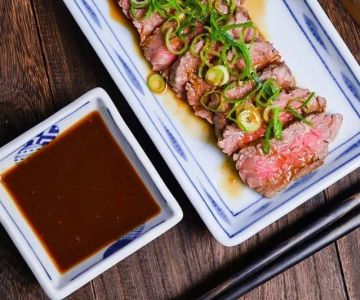
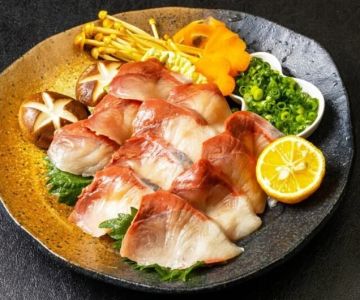
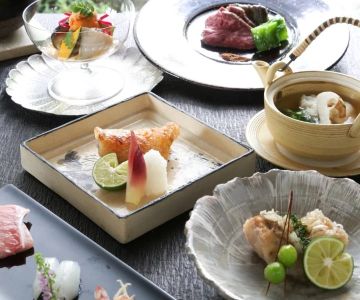
 Sakura Steak House4.0 (789 reviews)
 Sandfish Sushi & Whiskey, Phoenix4.0 (173 reviews)
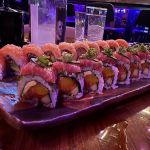 TEN Sushi + Cocktail Bar4.0 (518 reviews)
 Ippudo Cloud Kitchen - BRONX2.0 (16 reviews)
 Rule of Thirds4.0 (1397 reviews)
 Saito 24.0 (147 reviews)
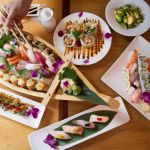 An Insider’s Review of Kimono Japanese Restaurant – Authentic Dining with Modern Elegance
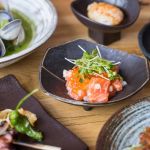 What Makes Japanese Restaurant Los Angeles Stand Out Among Japanese Restaurants
 Signature Sushi and Ramen at Oishi Japanese Restaurant
 What Makes Hiro Japanese Restaurant Stand Out Among Japanese Restaurants
 An Insider’s Review of Japanese Restaurant Orlando – Best Dining Experience
 An Insider's Review of Yamato Japanese Restaurant