
- 1-identifying-the-hot-green-condiment
- 2-history-and-origin-of-wasabi
- 3-flavor-profile-and-uses-in-japanese-cuisine
- 4-common-misconceptions-about-wasabi
- 5-cultural-significance-in-japanese-dining
- 6-finding-authentic-wasabi-and-other-condiments
1. Identifying the Hot Green Condiment
If you have ever dined at a Japanese restaurant, you might have noticed a vibrant hot green condiment served alongside sushi and sashimi. The question “is a hot green condiment served in Japanese restaurants” often leads to the answer: yes, and it is called wasabi.
Wasabi is a pungent, spicy paste made from the grated rhizome of the Wasabia japonica plant, renowned for its sharp heat and distinct flavor that differs significantly from chili peppers. It’s an essential accompaniment that enhances the taste of raw fish and balances flavors.
1.1 Appearance and Serving Style
Traditionally, wasabi is served as a small dollop next to sushi or sashimi, allowing diners to mix it with soy sauce or apply it directly to the fish. Its fresh green color and fiery aroma make it instantly recognizable in Japanese dining settings.
2. History and Origin of Wasabi
Wasabi has a rich history in Japan, dating back centuries. Native to mountainous river valleys, authentic wasabi requires very specific growing conditions, making it a rare and prized ingredient.
Historically, wasabi was valued not only for flavor but also for its antibacterial properties, believed to help preserve raw fish before refrigeration was available. This connection to freshness adds to its cultural importance.
2.1 Regional Cultivation
Japan's renowned wasabi-growing regions, such as Shizuoka and Nagano prefectures, produce the highest quality rhizomes. These areas maintain traditional farming techniques passed down through generations.
3. Flavor Profile and Uses in Japanese Cuisine
Unlike hot sauces made from chili, wasabi’s heat quickly hits the nasal passages and fades just as fast, leaving a refreshing sensation. Its spicy kick complements the subtle flavors of sushi and sashimi without overpowering them.
Besides sushi, wasabi is sometimes mixed into dressings, sauces, or even paired with grilled meats. Chefs use it creatively to add complexity and a distinctive zing to dishes.
3.1 Serving Etiquette
In Japanese restaurants, it is customary to use wasabi sparingly and to respect the chef’s preparation. Adding too much or mixing it excessively with soy sauce may be seen as overpowering the dish.
4. Common Misconceptions About Wasabi
One widespread misconception is that most wasabi served outside Japan is real. In fact, much of the “wasabi” found globally is a mixture of horseradish, mustard, and food coloring, which imitates the flavor but lacks the subtle nuances of true wasabi.
This practice is mainly due to the high cost and difficulty of cultivating authentic wasabi, leading restaurants to use substitutes that provide similar heat at a fraction of the price.
5. Cultural Significance in Japanese Dining
Wasabi holds a special place in Japanese culinary tradition, symbolizing the harmony of flavor and respect for ingredient quality. It represents an attention to detail that is a hallmark of Japanese cuisine.
Understanding the role of wasabi can enrich your dining experience and appreciation of Japanese culture, especially when visiting authentic Japanese restaurants.
6. Finding Authentic Wasabi and Other Condiments
For those interested in exploring genuine wasabi and other Japanese condiments, Japanese Restaurant provides curated recommendations and product guides. Whether you are a foodie or just starting to explore Japanese cuisine, these resources offer trustworthy options to enhance your meals.
Learning about authentic ingredients like wasabi opens doors to a deeper, more respectful enjoyment of Japanese dining traditions.
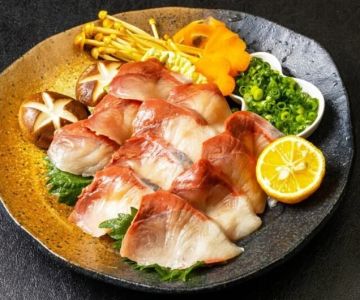
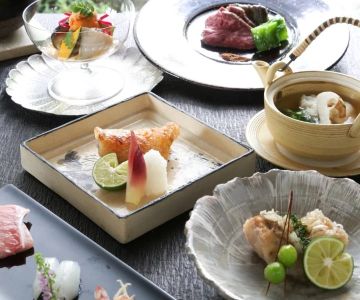
 Oyama Japanese And Thai4.0 (270 reviews)
 Wasabi Bistro4.0 (708 reviews)
 Cafe Yoto4.0 (86 reviews)
 Ichiza 2 Hanare Japanese Resaurant - All Private Dining Room -4.0 (132 reviews)
 Sumo Hibachi4.0 (80 reviews)
 Epoch Asian Fusion4.0 (143 reviews)
 Why Locals Recommend Japanese Sushi Restaurants: Discover the Secrets Behind the Popularity
 A Foodie’s Experience at Bozu Japanese Restaurant
 How to Say "Run a Restaurant" in Japanese: A Complete Guide for Restaurant Owners
 Exploring the Menu at Taki Japanese Restaurant Dunwoody: A Culinary Journey
 Exploring the Menu at Japanese Restaurant in Atlanta
 Why Locals Recommend Tachibana Japanese Restaurant: A Taste of Authenticity