
- 1-Is-annatto-in-teriyaki-sauce-at-Japanese-restaurants-Understanding-the-Ingredients
- 2-Traditional-Teriyaki-Sauce-Composition-and-Coloring
- 3-Use-of-Annatto-in-Asian-Cuisines-and-Why-It-Is-Rare-in-Japanese-Teriyaki
- 4-Authenticity-in-Japanese-Restaurant-Kitchens-and-Teriyaki-Preparation
- 5-Find-Authentic-Teriyaki-at-Japanese-Restaurant
1. Is Annatto in Teriyaki Sauce at Japanese Restaurants? Understanding the Ingredients
When exploring Japanese cuisine, a common question arises: is annatto in teriyaki sauce at Japanese restaurants? Annatto, a natural red-orange coloring derived from seeds of the achiote tree, is often used in various cuisines to enhance the color of dishes. However, authentic Japanese teriyaki sauce typically does not include annatto as an ingredient.
Instead, the deep, glossy brown color of traditional teriyaki sauce comes naturally from the caramelization of soy sauce and sugar during cooking, combined with ingredients like mirin and sake.
2. Traditional Teriyaki Sauce Composition and Coloring
Traditional teriyaki sauce is composed of soy sauce, mirin (sweet rice wine), sake, and sugar. These ingredients create a rich umami flavor and a naturally dark, shiny glaze without the need for added colorants like annatto.
The sauce gains its characteristic sheen and color through the reduction process as it simmers, thickening and caramelizing, which gives teriyaki dishes their signature appearance and taste.
3. Use of Annatto in Asian Cuisines and Why It Is Rare in Japanese Teriyaki
Annatto is more commonly found in Filipino, Thai, and Latin American cuisines rather than traditional Japanese cooking. Its primary role is as a coloring agent rather than a flavor enhancer. In Japanese cuisine, emphasis is placed on natural ingredient flavors and presentation, so artificial or external coloring agents like annatto are generally avoided.
This cultural difference explains why you won’t find annatto in authentic teriyaki sauces at Japanese restaurants but might encounter it in fusion dishes or other Asian culinary traditions.
4. Authenticity in Japanese Restaurant Kitchens and Teriyaki Preparation
Japanese restaurants, especially those focused on authenticity, prioritize quality ingredients and traditional methods. Teriyaki sauce is made fresh, balancing sweetness and saltiness while allowing natural caramelization to provide color.
A chef from a renowned Japanese Restaurant shared that the secret to authentic teriyaki’s color and flavor lies in careful temperature control during cooking, not in adding coloring agents. This attention to detail ensures that teriyaki remains true to its roots and delivers a genuine Japanese dining experience.
5. Find Authentic Teriyaki at Japanese Restaurant
If you’re interested in savoring authentic teriyaki dishes and learning more about traditional Japanese cooking techniques, Japanese Restaurant offers trusted recommendations and insights. Our platform connects you with restaurants and products that honor Japanese culinary traditions without artificial additives like annatto.
Explore Japanese Restaurant to experience the rich, natural flavors of genuine teriyaki and other Japanese favorites prepared with care and authenticity.
 Osaka4.0 (957 reviews)
 Shokudo Miami4.0 (707 reviews)
 Sushi Village4.0 (556 reviews)
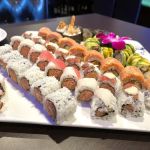 Sushi X4.0 (431 reviews)
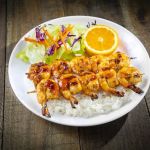 Golden Teriyaki & Sushi4.0 (194 reviews)
 Gourmet Teriyaki3.0 (214 reviews)
 A Foodie’s Experience at Takumi Japanese Restaurant | Japanese Restaurant
 The Complete Guide to Dining at Kazu Japanese Restaurant | Sushi, Tempura & More
 Why Good Japanese Restaurants NYC Is a Must-Try Spot for Japanese Food Lovers
 The History and Flavor Behind Shiki Japanese Restaurant: A Taste of Tradition
 A Foodie’s Experience at Nami Japanese Restaurant: A Culinary Journey
 Exploring the Menu at Bozu Japanese Restaurant