
- is-benihana-a-japanese-restaurant - Is Benihana Really a Japanese Restaurant?
- the-origins-of-benihana - The Origins of Benihana
- teppanyaki-vs-traditional-japanese-dining - Teppanyaki vs Traditional Japanese Dining
- how-benihana-shapes-perception-of-japanese-cuisine - How Benihana Shapes Perception of Japanese Cuisine
- a-real-japanese-chef-s-view-on-benihana - A Real Japanese Chef’s View on Benihana
- does-benihana-count-as-authentic-japanese-food - Does Benihana Count as Authentic Japanese Food?
- where-to-find-authentic-japanese-restaurants - Where to Find Authentic Japanese Restaurants
1. Is Benihana Really a Japanese Restaurant?
When people ask “is Benihana a Japanese restaurant,” the answer isn’t as simple as yes or no. Benihana is inspired by Japanese cuisine and aesthetics, but it represents a unique hybrid — a Western interpretation of Japanese teppanyaki cooking, designed for entertainment as much as for flavor. To understand its identity, we need to look at its roots, its cooking style, and how it compares to traditional Japanese dining culture.
2. The Origins of Benihana
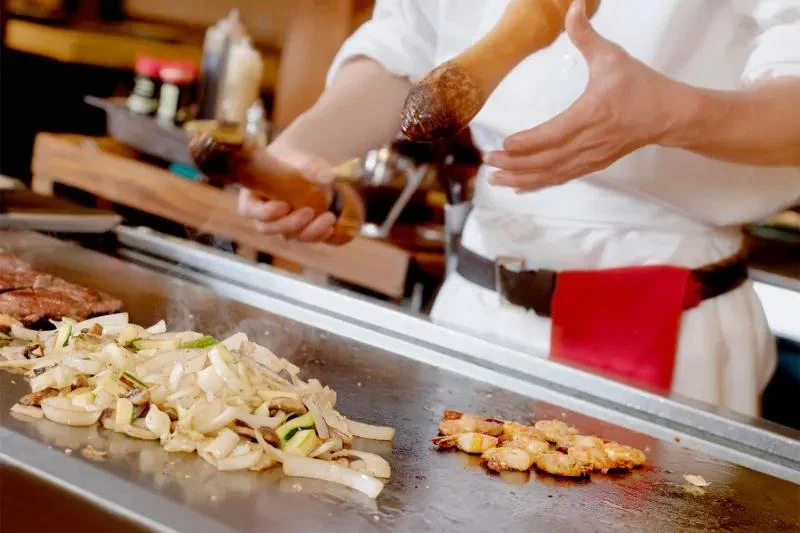
Benihana was founded in 1964 in New York City by Hiroaki “Rocky” Aoki, a Japanese-American entrepreneur with a flair for the dramatic. The restaurant combined hibachi-style cooking with showmanship — chefs flipping shrimp into their hats, juggling spatulas, and lighting onions into volcanoes. The idea was to bring the theater to the table.
While the brand took its name from Aoki’s parents’ coffee shop in Tokyo, Benihana was very much built for a Western audience. It borrowed elements from Japanese teppanyaki but adapted them to a more performative and social American dining experience.
3. Teppanyaki vs Traditional Japanese Dining
In Japan, teppanyaki exists — but it’s far more subdued than what you see at Benihana. Most traditional Japanese restaurants focus on quiet refinement, emphasizing seasonal ingredients and subtle flavors. Kaiseki, sushi omakase, or even a bowl of ramen are designed to let the ingredients shine without flair.
3.1 The Benihana Style
Benihana’s chefs cook in front of diners on a large iron griddle, preparing dishes like steak, chicken, shrimp, and fried rice with flair. Soy sauce, garlic butter, and spicy mayo are used more liberally than in traditional Japanese cuisine.
3.2 The Traditional Experience
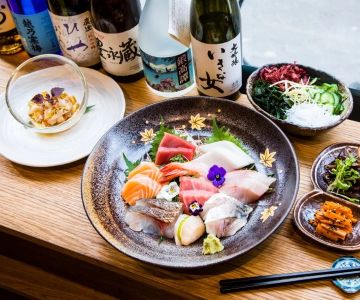
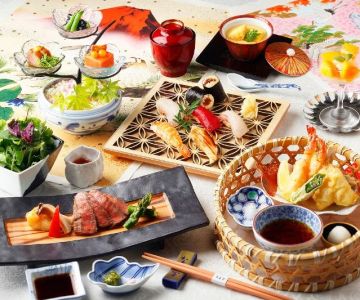
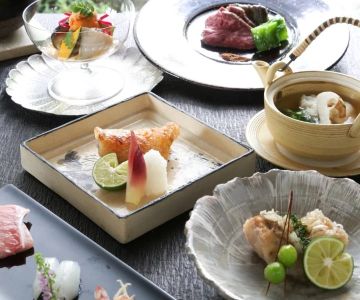
In contrast, a traditional Japanese meal might include miso soup, sashimi, pickled vegetables, and rice — all served quietly and with precision. Meals are more about balance and seasonal harmony than entertainment.
4. How Benihana Shapes Perception of Japanese Cuisine
For many people outside Japan, Benihana is their first introduction to “Japanese food.” That means it plays a big role in shaping global expectations — sometimes to the point of creating misconceptions.
While Benihana is undeniably fun and often delicious, it doesn’t fully reflect the diversity and depth of Japan’s culinary culture. Think of it as a theatrical highlight reel, not a full documentary.
5. A Real Japanese Chef’s View on Benihana
Chef Kenji Nakamura, who runs a traditional izakaya in Vancouver, once said in an interview: “Benihana is like a Broadway show about Japanese food. Entertaining, yes. Authentic? Not quite. But it makes people curious — and that’s a good thing.”
Many Japanese chefs appreciate what Benihana has done to spark global interest. It has opened doors for deeper exploration of Japanese cuisine and shown that food can be both cultural and fun.
6. Does Benihana Count as Authentic Japanese Food?
So, is Benihana a Japanese restaurant? It depends on how you define “Japanese.” It uses Japanese ingredients, techniques, and concepts — but filtered through American expectations. It’s better to think of it as Japanese-inspired rather than authentically Japanese.
That doesn't make it “lesser” — just different. Like California rolls or ramen burgers, Benihana represents the evolution of cuisine across cultures.
7. Where to Find Authentic Japanese Restaurants
If you’re craving a more traditional experience after a night at Benihana, there are many authentic Japanese restaurants worth exploring. You’ll find sushi made by classically trained itamae, ramen with house-made broth, or seasonal izakaya menus with fresh sashimi, tempura, and grilled fish.
To find options that align with true Japanese culinary standards, browse listings on Japanese Restaurant. You’ll discover a variety of establishments — from kaiseki dining to minimalist bento counters — all with a focus on cultural authenticity and seasonal quality.
Benihana may entertain you, but traditional Japanese restaurants can teach you the quiet beauty of real Japanese cuisine.
 Men Oh Tokushima Ramen4.0 (633 reviews)
 Tensho4.0 (140 reviews)
 Yamato Japan4.0 (466 reviews)
 Hawaiian Poke & Ramen4.0 (279 reviews)
 Sushi Gen4.0 (1617 reviews)
 Nori Sushi and Ramen4.0 (133 reviews)
 What Is Yuzu Japanese Restaurant Ingredient? A Flavorful Introduction
 An Insider’s Review of Restaurant Japanese Restaurant – Authentic Dining Experience
 The Complete Guide to Dining at Japanese Restaurants in Chicago: What to Expect
 The History and Flavor Behind Goshi Japanese Restaurant
 What Do They Shout in Japanese Restaurants?
 An Insider’s Review of Japanese Restaurant Orlando: Authentic Dining and Local Stories