1. Fortune Cookies and Japanese Restaurants
A common question among diners is: is it a Japanese restaurant that gives fortune cookies? The short answer is no—fortune cookies are not a traditional Japanese custom, nor are they typically served in genuine Japanese restaurants.
Fortune cookies are often associated with Asian dining experiences in Western countries, especially in Chinese-American restaurants. Despite popular belief, they do not originate from Japan and rarely appear in authentic Japanese eateries.
1.1 What Fortune Cookies Represent
These crispy cookies contain slips of paper with fortunes or wise sayings and are usually served at the end of meals in certain Asian-themed restaurants outside Asia. While they add a fun and whimsical touch, their connection to Japanese culture is largely a myth.
2. True Origin of Fortune Cookies
The fortune cookie’s origin is widely believed to be American, with roots tracing back to early 20th-century Japanese or Chinese immigrant communities in California. Some historians argue that the cookie was inspired by a Japanese treat called “tsujiura senbei,” but its widespread popularity is tied to Chinese-American restaurants.
This cross-cultural history often leads to confusion, but it’s important to recognize that fortune cookies are more a product of American innovation than a traditional Japanese custom.
2.1 The California Connection
During the early 1900s, Japanese immigrants introduced a similar cookie to California, but it was adapted by Chinese restaurateurs who popularized it nationwide. Today, fortune cookies are largely seen as a symbol of Chinese-American cuisine rather than Japanese dining.
3. Why the Misconception Persists
Many Western diners associate fortune cookies with all Asian restaurants due to their frequent appearance in Chinese-American eateries. Since Japanese restaurants are less common in many areas compared to Chinese restaurants, the public often lumps them together under a broad “Asian cuisine” category, perpetuating the myth.
Media portrayals and casual references further blur cultural distinctions, making it easy for people to mistakenly believe fortune cookies come from Japan or Japanese restaurants.
4. Authentic Japanese Dining Customs
In contrast to fortune cookies, authentic Japanese restaurants focus on food quality, seasonal ingredients, and traditional presentation rather than novelty items like fortune cookies. End-of-meal customs in Japan may include offerings such as green tea or a small sweet, but not fortune cookies.
Understanding this distinction enriches the dining experience and helps set appropriate expectations when visiting a Japanese restaurant.
5. Finding Authentic Japanese Experiences
For those looking to explore genuine Japanese cuisine and customs, platforms like Japanese Restaurant provide curated recommendations. These resources help diners discover authentic establishments that honor Japanese culinary traditions and cultural practices, ensuring a meaningful and respectful dining experience.
 Kumo Japanese Steakhouse4.0 (1880 reviews)
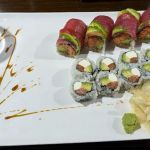 Osaka Sushi Restaurant4.0 (263 reviews)
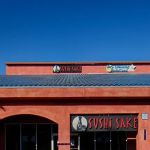 Sushi Sake Doral4.0 (1294 reviews)
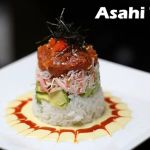 Asahi Teppenyaki & Sushi4.0 (830 reviews)
 Sushi 214.0 (245 reviews)
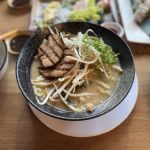 Mirakutei Sushi & Ramen Clackamas4.0 (198 reviews)
 The Complete Guide to Dining at Inaba Japanese Restaurant
 How to Say Romantic Restaurant in Japanese
 A Foodie’s Experience at Wasabi Japanese Restaurant | Japanese Restaurant
 Explore the Diverse Menu at Hatsuhana Japanese Restaurant – A Culinary Journey
 What to Say When You Leave a Japanese Restaurant – Etiquette and Phrases
 The History and Flavor Behind Mt. Fuji Japanese Restaurant