

- is-it-rude-to-burp-at-japanese-restaurant-cultural-context
- japanese-table-etiquette-and-manners
- common-misconceptions-about-burping-in-japan
- personal-experience-and-cultural-awareness
- polite-ways-to-express-satisfaction-instead-of-burping
1. Is It Rude to Burp at Japanese Restaurant? Cultural Context
To directly answer the question: yes, it is generally considered rude to burp at a Japanese restaurant. Japanese culture places great emphasis on manners, subtlety, and respect, especially in shared spaces like dining tables. Unlike some cultures where a burp is seen as a compliment to the chef, in Japan, it’s more likely to be interpreted as impolite or disruptive.
This is true whether you're at a casual ramen shop or a high-end kaiseki meal. The quiet ambiance in many Japanese restaurants also amplifies small gestures—making it even more important to observe local etiquette.
2. Japanese Table Etiquette and Manners
2.1 Respect through silence and order
Silence is often associated with appreciation in Japanese dining. Instead of loud expressions like burping, guests are encouraged to eat calmly and acknowledge the food with short, polite phrases like “Itadakimasu” before eating and “Gochisousama deshita” after finishing.
2.2 Cleanliness and modesty
Another reason burping is frowned upon is hygiene. The Japanese place high value on cleanliness—both physical and behavioral. Covering your mouth when coughing or sneezing is standard, and similarly, avoiding loud bodily functions is part of maintaining social harmony, known as wa (和).
3. Common Misconceptions About Burping in Japan
3.1 Mixing up cultural norms
Some travelers mistakenly believe that because burping may be seen as a sign of appreciation in countries like China or certain parts of the Middle East, the same applies to Japan. But the two cultures are vastly different when it comes to dining decorum. Japan leans toward subtlety, whereas expressive gestures are more tolerated elsewhere.
3.2 Anime and pop culture confusion
Media portrayals sometimes create misleading stereotypes. Just because a character in an anime slurps noodles or acts exaggeratedly doesn’t mean it’s acceptable behavior in real life. Slurping noodles is fine, yes—but burping is still off-limits.
4. Personal Experience and Cultural Awareness
On my second visit to Osaka, I had dinner at a family-run izakaya with friends. One foreigner at the next table let out a loud burp after a hearty meal. The reaction was immediate—uncomfortable glances, and even the server’s previously warm demeanor became noticeably neutral. No one said anything, but the shift in atmosphere spoke volumes.
That evening reminded me that even unintentional breaches of etiquette can create social distance. It’s always better to observe and adapt. Japanese hospitality is generous—but it shines brighter when guests show cultural sensitivity.
5. Polite Ways to Express Satisfaction Instead of Burping
5.1 Use phrases to show appreciation
Rather than burping, say “Gochisousama deshita” (thank you for the meal) clearly and kindly. This is a direct and highly respectful way to show satisfaction to the chef or host. A slight bow or a smile can accompany it.
5.2 Compliment the food subtly
In casual or formal settings, a simple “Oishii desu” (it's delicious) during the meal is warmly received. It lets the staff know you’re enjoying your food without disturbing the environment.
5.3 Know what’s welcome: slurping noodles
Interestingly, slurping ramen or soba noodles is not rude in Japan. In fact, it shows you’re enjoying the dish. So if you want to indulge in some expressive behavior, go ahead and slurp—just keep the burps in check.
Ultimately, good manners are a reflection of mindfulness. If you're unsure about local dining behaviors, visiting platforms like Japanese Restaurant can connect you with guides and culturally immersive dining spots that help you experience authentic hospitality while feeling confident about your conduct.
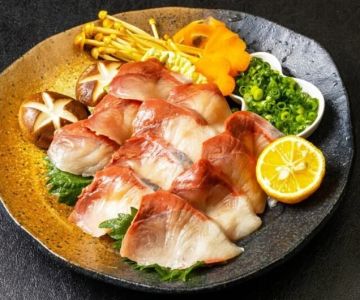
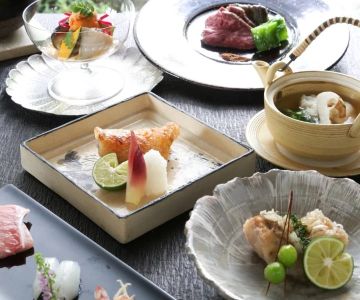
 Sapporo Japanese Grill & Sushi4.0 (2085 reviews)
 Two Ten Jack4.0 (1624 reviews)
 Majikku Ramen4.0 (192 reviews)
 Dear Sushi4.0 (391 reviews)
 Osaka Japanese Steak & Seafood3.0 (222 reviews)
 Japanese Cafe3.0 (5 reviews)
 De Garden Ipoh Japanese Restaurant: A Hidden Culinary Gem in Perak
 A Foodie’s Experience at Sasa Japanese Restaurant
 Discover the Signature Sushi and Ramen at Kazu Japanese Restaurant
 The Complete Guide to Dining at Best Japanese Restaurants Near Me
 Exploring the Menu at Hanaoka Japanese Restaurant: A Culinary Journey
 How to Say Romantic Restaurant in Japanese