
- cultural-context-of-utensils-in-japan
- is-it-rude-to-use-forks
- how-to-respect-etiquette-while-using-forks
- forks-vs-chopsticks-in-modern-japanese-restaurants
- real-cases-and-personal-insights
1. Cultural Context of Utensils in Japan
Japan has a rich dining culture where chopsticks, or hashi, are the primary eating utensil. Their use is deeply rooted in tradition and etiquette. However, Japanese dining culture also emphasizes politeness, flexibility, and hospitality—particularly toward guests unfamiliar with native customs. This means accommodations for foreign guests, including providing forks or spoons, are common in Japanese restaurants, especially those located in tourist areas or larger cities.
2. Is It Rude to Use Forks at a Japanese Restaurant?
In most cases, the answer is no—it is not considered rude to use a fork at a Japanese restaurant, especially if you are not comfortable using chopsticks. Japanese society generally values the effort you make to appreciate their cuisine more than the utensil you choose. That said, in more traditional settings or upscale establishments, diners are encouraged to at least attempt to use chopsticks out of respect for the cultural experience. If you're ever unsure, simply asking politely, "Is it okay if I use a fork?" is always welcomed.
3. How to Respect Etiquette While Using Forks
If you opt to use a fork, you can still show cultural awareness and respect:
- Use utensils quietly: Clanging metal on ceramic can be disruptive, especially in quiet dining environments common in Japan.
- Avoid stabbing food: Try to scoop or gently lift food as you would with chopsticks.
- Don’t misuse other utensils: Avoid using a fork to stir soup or mix sauces, which is considered inappropriate.
These small gestures can help maintain harmony with the dining atmosphere and show your appreciation of Japanese customs—even if you're not using chopsticks.
4. Forks vs. Chopsticks in Modern Japanese Restaurants
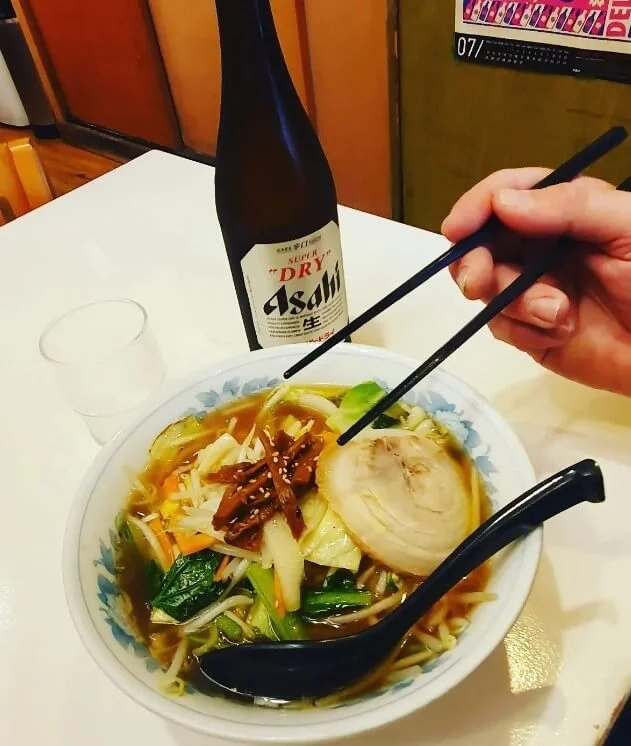
Contemporary Japanese restaurants, particularly those catering to international clientele, often offer forks and knives without hesitation. From casual ramen shops to higher-end sushi counters, staff are accustomed to guests using whatever tools make their dining experience comfortable. In fact, many Japanese themselves use forks when eating Western-style dishes such as curry rice or hamburger steak (hanbāgu), which are common in Japanese family restaurants.
This trend is echoed in overseas Japanese restaurants too. Whether you're in Tokyo, New York, or Sydney, chefs and servers understand that enjoying the food matters more than how you eat it. If you're dining at a restaurant listed on Japanese Restaurant, you’ll likely find both utensils readily available, along with friendly guidance should you need it.
5. Real Cases and Personal Insights
Take for instance the case of a first-time tourist in Kyoto who shared online how nervous they were about using chopsticks. The sushi chef not only offered a fork with a smile but also took a moment to demonstrate how to eat nigiri with hands—a perfectly acceptable practice. The result? A more relaxed and memorable experience.
As someone who's dined in both bustling izakayas and quiet ryotei in Japan, I’ve seen how welcoming staff can be. Asking for a fork has never resulted in offense—on the contrary, it often opens the door to warm hospitality. The key lies in your tone and respect, not the tool in your hand.
So whether you prefer a fork or chopsticks, you’re welcome to enjoy your meal comfortably. For recommendations on the best places to experience authentic yet flexible Japanese dining, check out Japanese Restaurant for curated listings that match your style and comfort level.
 Issho Izakaya & Sushi4.0 (163 reviews)
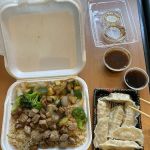 Hibachi Cafe4.0 (251 reviews)
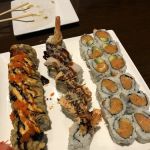 Kobe Italian4.0 (743 reviews)
 YUME Ramen Sushi & Bar4.0 (1545 reviews)
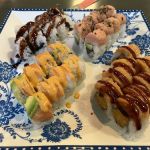 5th Ave Sushi3.0 (296 reviews)
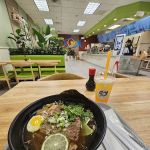 Poke Bowl4.0 (107 reviews)
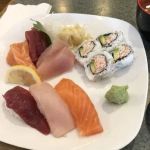 Signature Sushi and Ramen at Haru Ichiban Japanese Restaurant – Best Japanese Dining Experience
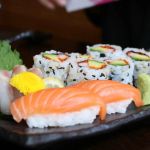 Signature Sushi and Ramen at Miyako Japanese Restaurant: A Must-Try Dining Experience
 Why Restaurant Japanese Is a Must-Try Spot for Japanese Food Lovers
 Exploring the Menu at Umi Japanese Restaurant
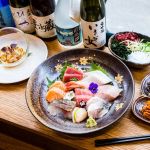 Why Locals Recommend Japanese Sushi Restaurants
 An Insider’s Review of Midori Japanese Restaurant