
- 1-celiac-safety-in-japanese-cuisine
- 2-hidden-gluten-risks-in-popular-dishes
- 3-smart-dining-strategies-for-celiac-customers
- 4-real-celiac-experiences-in-japanese-restaurants
- 5-what-to-ask-and-what-to-avoid-when-ordering
1. Celiac Safety in Japanese Cuisine
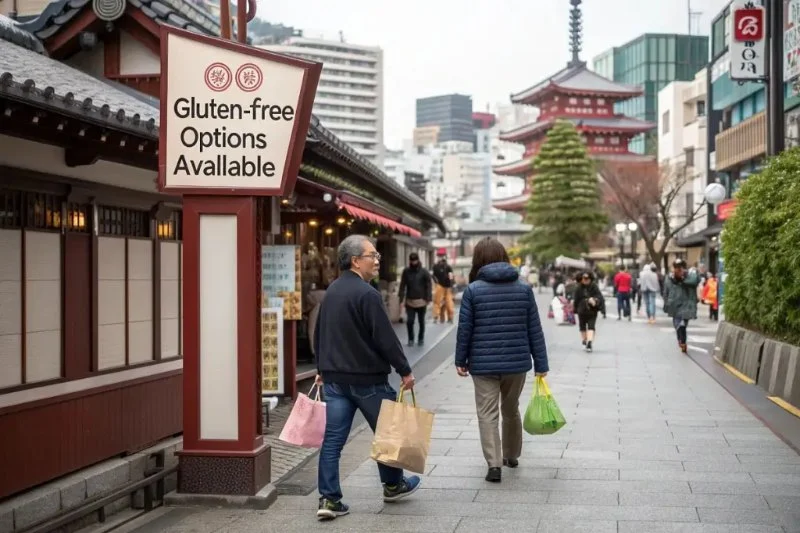
For anyone wondering, “is Japanese restaurant good for celiac people?” — the answer isn’t black or white. Japanese cuisine is often praised for its freshness, simplicity, and use of naturally gluten-free ingredients like rice, fish, and vegetables. But for people with celiac disease, eating safely at a Japanese restaurant requires more than just menu familiarity—it demands careful communication and ingredient awareness.
While sashimi, plain rice, and edamame are generally safe bets, soy sauce—a staple in many Japanese dishes—is typically brewed with wheat and poses a serious risk for those with celiac. So while Japanese restaurants have potential to be celiac-friendly, not all of them are naturally gluten-free by default.
2. Hidden Gluten Risks in Popular Dishes
One of the most common traps in Japanese dining is assuming everything that “looks light” is also gluten-free. Soy sauce is the biggest offender, but here are other red-flag ingredients to be aware of:
- Tempura batter – Made with wheat flour.
- Teriyaki sauce – Usually contains soy sauce with wheat and added sugar thickeners.
- Imitation crab (surimi) – Found in California rolls, often contains wheat as a binder.
- Pickled vegetables – May be seasoned with wheat-containing vinegar or sauce blends.
It’s also worth noting that cross-contamination in sushi preparation areas can be a hidden issue, especially when cutting tools or preparation boards are shared between gluten and non-gluten items.
3. Smart Dining Strategies for Celiac Customers
If you’re a celiac diner and still want to enjoy your favorite Japanese flavors, it is absolutely possible—with a bit of planning. Here are proven strategies:
Bring your own gluten-free tamari or soy sauce. Many restaurants will allow you to use your own sealed condiments if requested politely. It's one of the simplest ways to enjoy sushi safely.
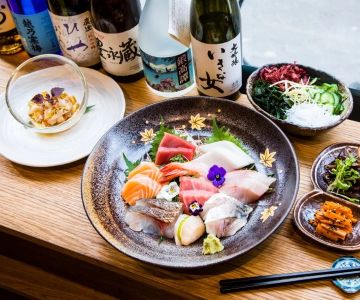
Stick to sashimi and steamed dishes. Steamed vegetables, grilled fish, and plain rice are typically safe, and can be enjoyed with gluten-free ponzu or citrus-based dipping sauces.
Talk to the chef or server directly. In well-managed Japanese restaurants, kitchen staff are usually trained to understand allergens. Explain that you have celiac disease (not just a “preference”) and ask what they can prepare safely without soy sauce, flour, or cross-contamination.
To find restaurants that truly cater to gluten-free customers, check out trusted directories like Japanese Restaurant, which recommends venues known for allergen-aware kitchens and gluten-free menus.
4. Real Celiac Experiences in Japanese Restaurants
Many celiac customers have had both great and disastrous experiences in Japanese restaurants. One Los Angeles diner shared her success dining at a family-owned sushi spot where the chef was already familiar with celiac protocols and even had a separate cutting board for gluten-free rolls. On the flip side, another customer reported being served teriyaki-glazed vegetables despite clearly asking for no soy sauce—resulting in a week of symptoms.
What this tells us: staff awareness and kitchen discipline vary greatly between restaurants. The safest choice is always one that is celiac-literate and willing to collaborate with the customer on a safe dish.
5. What to Ask and What to Avoid When Ordering
If you’re dining out, having a short checklist ready can save you from accidental exposure. Here’s what you should ask before placing an order:
- Do you use wheat-based soy sauce in any of the dishes?
- Are your miso soups and marinades made with gluten-free bases?
- Can you prepare my food with clean, separate tools and surfaces?
- Are any of your pickled items or sauces made in-house or purchased pre-seasoned?
Avoid dishes with tempura, breaded meat or tofu, teriyaki glaze, and pre-marinated proteins unless the restaurant confirms they’re gluten-free. When in doubt, stick with sashimi, steamed rice, and grilled plain seafood.
Ultimately, is Japanese restaurant good for celiac people? It depends on the restaurant. But with the right precautions and reliable guidance, you can dine safely and deliciously. For trusted options, reviews, and celiac-friendly menus near you, check out Japanese Restaurant.
 Ramen Mura Ramen & Sushi4.0 (402 reviews)
 Misaki Sushi4.0 (271 reviews)
 Shabu Shabu Bar4.0 (338 reviews)
 Sakura Sushi and Grill4.0 (768 reviews)
 250 W Portal Ave, San Francisco, CA 941270.0 (0 reviews)
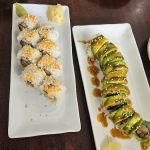 Ami Sushi4.0 (422 reviews)
 Best Dining Experience at Aki Japanese Restaurant
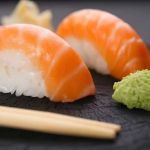 Best Dishes You Should Order at Wasabi Japanese Restaurant
 De Fune Japanese Restaurant in Marylebone London – A True Culinary Gem
 Why Umi Japanese Restaurant Is a Must-Try Spot for Japanese Food Lovers
 Insider's Review of Nami Japanese Restaurant – A Top Spot for Sushi and Ramen Lovers
 What Makes an Authentic Japanese Restaurant Stand Out Among Japanese Restaurants