
- 1-Nutritional-Profile-Of-Japanese-Ramen
- 2-Factors-Affecting-Ramen-Healthiness
- 3-Tips-For-Eating-Ramen-Healthy-At-Japanese-Restaurants
- 4-Real-Customer-Experiences-With-Healthy-Ramen
- 5-Explore-Authentic-Japanese-Ramen-Options
1. Nutritional Profile of Japanese Ramen
The question is Japanese restaurant ramen healthy depends largely on the specific ingredients and preparation methods. Traditional ramen typically includes wheat noodles, broth (which can be pork, chicken, or vegetable-based), various toppings like sliced pork, green onions, boiled eggs, and seaweed.
Ramen is rich in carbohydrates and protein, with broths providing minerals and sometimes collagen. However, it can also be high in sodium and fat, especially in richer broths such as tonkotsu (pork bone broth).
1.1 Macronutrients and Calories
A typical bowl of ramen can range from 400 to 800 calories or more, depending on portion size and toppings. It offers a satisfying balance of macronutrients but requires mindful consumption for those monitoring calorie intake.
2. Factors Affecting Ramen Healthiness
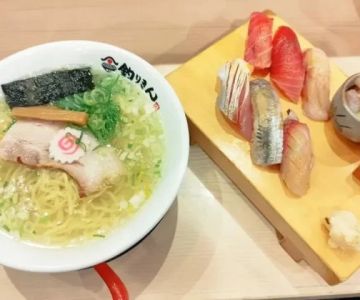
The healthiness of ramen varies with factors such as broth type, noodle quantity, and added ingredients. Clear broth-based ramen like shoyu (soy sauce) or shio (salt) tends to be lighter and lower in fat compared to creamy tonkotsu.
Adding plenty of vegetables and moderating the use of fatty pork or excessive oil can also improve the nutritional balance. Conversely, instant or heavily processed ramen often contains preservatives and artificial additives, which reduce its health value.
2.1 Sodium Content Consideration
Sodium levels in ramen broths can be high, which is important for those with blood pressure concerns. Asking for low-sodium options or consuming ramen less frequently can help manage this.
3. Tips for Eating Ramen Healthy at Japanese Restaurants
To enjoy ramen healthily at Japanese restaurants, consider choosing lighter broths, requesting extra vegetables, or sharing a bowl with others. Opting for toppings like boiled eggs or tofu rather than fatty pork can also reduce calories and fat intake.
Complement your meal with a side of salad or steamed vegetables to boost fiber and nutrient intake.
3.1 Balancing Indulgence and Nutrition
Ramen can be part of a balanced diet when consumed mindfully. Pairing it with an active lifestyle and varied meals throughout the day helps maintain overall health.
4. Real Customer Experiences with Healthy Ramen
One diner shared how switching to a shoyu ramen with extra veggies at their favorite Japanese Restaurant not only satisfied their cravings but improved digestion and energy levels. Stories like these highlight that healthier ramen options can be delicious and fulfilling.
Many restaurants now offer customizable ramen bowls, making it easier for customers to tailor meals to their nutritional needs.
5. Explore Authentic Japanese Ramen Options
For those seeking authentic and healthier ramen experiences, Japanese Restaurant offers a curated selection of traditional ramen styles and high-quality ingredients. This ensures you enjoy genuine flavors while supporting your wellness goals.
Exploring these options broadens your appreciation for Japanese cuisine and helps you make informed choices at ramen restaurants.

 Kumo Japanese Steakhouse4.0 (1880 reviews)
 Osaka Sushi Restaurant4.0 (263 reviews)
 Sushi Sake Doral4.0 (1294 reviews)
 Asahi Teppenyaki & Sushi4.0 (830 reviews)
 Sushi 214.0 (245 reviews)
 Mirakutei Sushi & Ramen Clackamas4.0 (198 reviews)
 The Complete Guide to Dining at Inaba Japanese Restaurant
 How to Say Romantic Restaurant in Japanese
 A Foodie’s Experience at Wasabi Japanese Restaurant | Japanese Restaurant
 Explore the Diverse Menu at Hatsuhana Japanese Restaurant – A Culinary Journey
 What to Say When You Leave a Japanese Restaurant – Etiquette and Phrases
 The History and Flavor Behind Mt. Fuji Japanese Restaurant