
- -Saying-Im-On-My-Way-In-Japanese-
- -Polite-vs-Casual-Expressions-
- -Calling-Ahead-And-ETA-Etiquette-
- -Story-Real-Dining-Scenario-
- -Tips-For-Japanese-Restaurant-Communication-
- -Why-Choose-Japanese-Restaurant-
1. Saying “I’m on my way” in Japanese
The core phrase behind the query “how to say I'm on my way in Japanese restaurant” is 「もうすぐ着きます」(mō sugu tsukimasu). Literally “I will arrive soon,” it is friendly, clear, and carries the polite -masu ending that staff expect on the phone. Another everyday option is 「向かっています」(mukatte imasu), meaning “I’m heading toward you.” Both sentences put the restaurant at ease, ensuring your table is held and service runs smoothly.
1.1 Why Politeness Matters at the Door
1.1.1 The 客さま (customer-first) Culture
Japanese hospitality, or omotenashi, prizes anticipation. A brief call saying mō sugu tsukimasu signals respect for the chef’s pacing—especially at omakase counters where every seat is part of a timed choreography.
2. Polite vs Casual Expressions
Choosing the right register depends on who answers the phone:
2.1 Standard Polite (丁寧語)
「10分ほどで到着いたします」(juppun hodo de tōchaku itasu shimasu)—“I will arrive in about ten minutes.” The verb itasu is the humble form of “to do,” ideal when the maître d’ sounds formal.
2.2 Friendly Casual
If the host is your friend, 「もうすぐ着くよ!」(mō sugu tsuku yo!) feels natural. Note the informal dictionary form tsuku.
2.3 Non-Native Safety Net
Unsure of your accent? Pair the phrase with your name and reservation time: 「スミスです。7時予約で、もうすぐ着きます。」—“This is Smith. 7 p.m. booking; I’ll be there soon.” That context prevents mix-ups.
3. Calling Ahead and ETA Etiquette
Tokyo restaurateur Yamamoto-san notes that a thirty-second courtesy call reduces no-show anxiety—crucial for small eight-seat izakaya operations where one empty chair can erase the night’s profit. A best practice timeline:
3.1 20 Minutes Before
Ideal for urban rail commuters. Signal delays are common; this buffer helps the kitchen adjust fire times for grilled skewers or tempura batter.
3.2 10 Minutes Before
Perfect if you’re in a taxi heading across town. Staff can pour welcome drinks or finish plating amuse-bouches.
3.3 After Seating Cut-Off
Some Michelin-starred counters lock doors five minutes after service begins. When running late, add an apology: 「遅れて申し訳ありません」(okurete mōshiwake arimasen).
4. Story: A Real Dining Scenario
Sophia, a Sydney food blogger, booked the ten-course kaiseki menu at Kyoto’s legendary Nanzenji Sando. Her train stalled outside Osaka. Remembering advice from a local friend, she called: 「ソフィアと申します。19時の予約で、向かっています。到着が15分遅れそうです。」 The hostess thanked her and held the seat. On arrival, the chef greeted her by name and served a refreshed first course. Sophia’s Instagram reel of that night hit 200 k views—proof that a simple phrase preserves both meal and memory.
5. Tips for Smooth Japanese Restaurant Communication
5.1 Keep It Short
Busy hosts juggle phones and customers. State your name, reservation time, and もうすぐ着きます—done.
5.2 Use Numbers
Japanese numerals can be tricky under pressure. Saying “ten minutes” in English after the Japanese phrase (10分, ten minutes) is perfectly acceptable.
5.3 Tone Over Perfection
A warm, upbeat voice forgives minor mispronunciations. Staff value intent more than textbook accuracy.
6. Why Choose Japanese Restaurant
Need more language hacks or a curated list of eateries where staff happily practice English-friendly Japanese? Japanese Restaurant sorts venues by customer-service ratings, bilingual menus, and proximity—so you focus on eating, not second-guessing your phrases.
 Oyama Japanese And Thai4.0 (270 reviews)
 Wasabi Bistro4.0 (708 reviews)
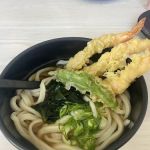 Cafe Yoto4.0 (86 reviews)
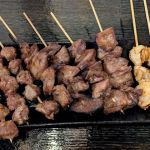 Ichiza 2 Hanare Japanese Resaurant - All Private Dining Room -4.0 (132 reviews)
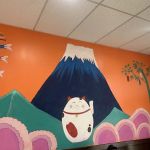 Sumo Hibachi4.0 (80 reviews)
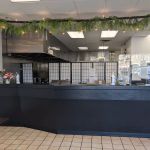 Epoch Asian Fusion4.0 (143 reviews)
 Why Locals Recommend Japanese Sushi Restaurants: Discover the Secrets Behind the Popularity
 A Foodie’s Experience at Bozu Japanese Restaurant
 How to Say "Run a Restaurant" in Japanese: A Complete Guide for Restaurant Owners
 Exploring the Menu at Taki Japanese Restaurant Dunwoody: A Culinary Journey
 Exploring the Menu at Japanese Restaurant in Atlanta
 Why Locals Recommend Tachibana Japanese Restaurant: A Taste of Authenticity